Book guide and evaluation
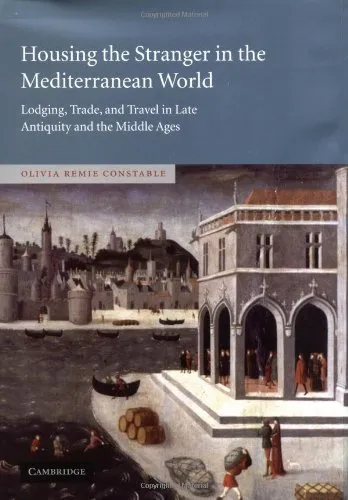
Housing the Stranger in the Mediterranean World: Lodging, Trade, and Travel in Late Antiquity and the Middle Ages
Olivia Remie Constable
English
Intermediate
novel
4.5 / 5
0 reviews
2004
Published
441
pages
377
views
Welcome to an exploration of the fascinating interplay between lodging, trade, and travel in the Mediterranean during late antiquity and the Middle Ages. 'Housing the Stranger in the Mediterranean World' by Olivia Remie Constable offers a comprehensive look into how the movemen
Before you read
What will you get from this book?
Welcome to an exploration of the fascinating interplay between lodging, trade, and travel in the Mediterranean during late antiquity and the Middle Ages. 'Housing the Stranger in the Mediterranean World' by Olivia Remie Constable offers a comprehensive look into how the movement of people and goods shaped cultures and commerce across this historically significant region.
Detailed Summary of the Book
The Mediterranean world between late antiquity and the Middle Ages was a dynamic area where diverse cultures, economies, and traditions intermingled. Olivia Remie Constable's book delves into the central role of lodging in the context of trade and travel, shedding light on how strangers were housed and how those practices influenced broader societal frameworks.
From caravanserais and khans to hospices and hostels, Constable navigates through different accommodations that catered to the needs of varied travelers – from merchants and pilgrims to diplomats and adventurers. She examines how these lodgings were not just places of rest but were complex economic and social hubs that facilitated cross-cultural interactions and exchange. The author combines the study of architectural structures with legal, social, and economic texts to comprehensively portray the significance of these establishments in connecting the Mediterranean's diverse polities.
Key Takeaways
- Social and Economic Networks: Lodging places were crucial nodes in the vast networks of trade and communication, revealing the interconnectedness of the Mediterranean world.
- Cultural Exchange: The variety of lodging practices illustrates the rich cultural exchanges that occurred as different peoples interacted through commerce and pilgrimage.
- Architectural Adaptation: The structures and amenities of lodgings adapted to the varied needs of travelers, reflecting the diversity of cultural influences in the region.
- Legal and Religious Aspects: Laws and religious customs influenced how strangers were accommodated, providing insights into societal norms and values.
Famous Quotes from the Book
"Lodging places served as more than simple shelters; they were arenas of interaction where cultures, ideas, and commerce converged."
"The act of housing a stranger was laden with meaning and possessed the power to transform both host and guest."
Why This Book Matters
This book is an essential read for anyone interested in the history of the Mediterranean, medieval studies, or the history of commerce and trade. It offers fresh insights into how a seemingly simple act – offering a place to stay – was deeply integrated into the economic, legal, and social fabrics of societies. By analyzing lodging, Constable opens a window into understanding broader cultural and economic processes in a cosmopolitan world that has all too often been viewed through the lens of conflict rather than cooperation.
Furthermore, Constable's work challenges modern perceptions by showing how historical societies handled the complexities of hospitality and cohabitation. The study of lodging places uncovers patterns of human behavior and societal organization that resonate with contemporary discussions on globalization, migration, and multiculturalism.
The book is praised for its interdisciplinary approach, drawing from history, sociology, architecture, and economics to provide a rich and textured understanding of the past. Its analysis is fundamental to appreciating the historical depth of today's interconnected world.
Ask this book
Your question is answered in the context of this title and author. Each answer uses 2 points.
Sign in to ask the book assistant.
Reader reviews
0 reviews, 4.5 average out of 5
No reviews yet
If you have read this book, help the next reader with your experience.
Write a review
Sign in to publish a review.
Reader questions and answers
Ask a focused question and learn from the community.
Sign in to ask or answer a question.
No questions yet
Be the first to ask a clear, useful question.
What to read next
Related references that continue this learning path.