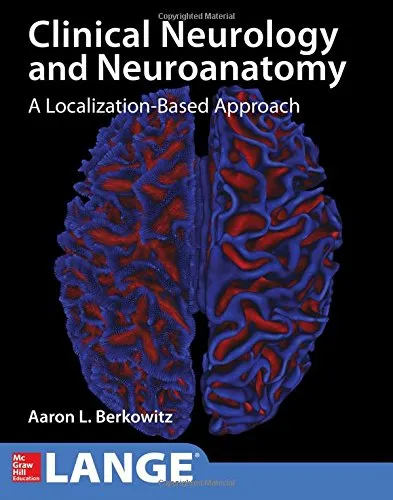
Lange Clinical Neurology and Neuroanatomy: A Localization-Based Approach
Aaron Berkowitz
2016
View book
Book guide and evaluation
Peter Portegies,Joseph Berger
0 reviews
Published
pages
views
Welcome to the transformative journey through the intersections of virology, neurology, and clinical medicine with HIV AIDS and the Nervous System: Handbook of Clinical Neurology. This seminal work, co-authored by Peter Portegies and Joseph Berger, delves into the profound
Before you read
The book rigorously examines the effects of HIV on the nervous system, an area of intense study and significant clinical concern since the virus's impact extends beyond just immunodeficiency. It addresses both the pathophysiological mechanisms leading to neurological complications and the clinical manifestations that arise as a consequence. Through carefully curated chapters, the book explores various neurological disorders associated with HIV, including but not limited to, HIV-associated neurocognitive disorders (HAND), neuropathy, and opportunistic infections like cryptococcal meningitis and progressive multifocal leukoencephalopathy. Each chapter is meticulously designed to blend scientific research with practical guidance, ensuring that readers can translate knowledge into clinical practice.
"Understanding HIV's impact on the brain isn't just a science—it's a crucial step toward empathy and improved care for those affected."
"As the landscape of HIV treatment evolves, so too must our strategies for managing its neurological complications."
This book holds pivotal importance in the medical and scientific community for multiple reasons. In the early years of the HIV epidemic, neurological complications were often overlooked in favor of focusing on immunological and systemic health. However, as patients live longer due to advances in antiretroviral therapies, the neurological complications of HIV have gained prominence, affecting quality of life and overall longevity.
By addressing these challenges, the book provides healthcare professionals with necessary knowledge and skills to better diagnose and treat these conditions. It also serves as an invaluable resource for researchers, offering insights into potential areas of study that might lead to new therapies or prevention strategies. In a world where medical knowledge is continuously evolving, books like this one matter because they encapsulate current understanding while guiding future innovations.
Your question is answered in the context of this title and author. Each answer uses 2 points.
0 reviews, 4.8 average out of 5
Sign in to publish a review.
Ask a focused question and learn from the community.
Related references that continue this learning path.
Aaron Berkowitz
Esteban Cheng-Ching,Eric P. Baron,Lama Chahine,Alexander Rae-Grant