

Gray's anatomy for students
Drake, Richard Lee;Gray, Henry;Mitchell, Adam W. M.;Vogl, Wayne
2015
View book
Book guide and evaluation
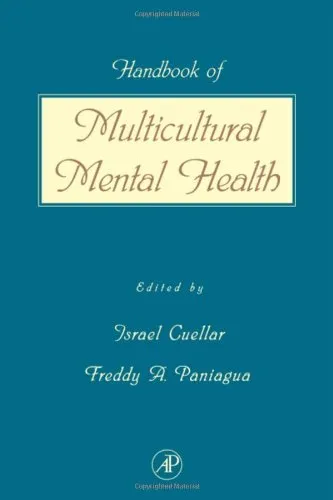
Israel Cuellar (Editor),Freddy A. Paniagua (Editor)
0 reviews
Published
pages
views
Introduction to 'Handbook of Multicultural Mental Health: Assessment and Treatment of Diverse Populations' The "Handbook of Multicultural Mental Health: Assessment and Treatment of Diverse Populations" serves as a transformative resource for practitioners, resear
Before you read
The "Handbook of Multicultural Mental Health: Assessment and Treatment of Diverse Populations" serves as a transformative resource for practitioners, researchers, and students in the field of psychology and mental health. Edited by esteemed experts Israel Cuellar and Freddy A. Paniagua, this book provides a comprehensive and practical guide to understanding, assessing, and treating mental health issues within diverse populations. Recognizing the increasing importance of cultural competence in clinical practice, this handbook bridges the gap between theory and practical application, ensuring better outcomes for underserved and culturally distinct groups.
Mental health professionals working in today’s pluralistic societies face unique challenges. Clients bring with them not only their mental health concerns but also unique cultural backgrounds that influence their beliefs, communication styles, and expectations from treatment. To ensure high-quality care, it is essential for clinicians to account for such cultural nuances. The "Handbook of Multicultural Mental Health" addresses this need by shedding light on critical cultural factors and how these impact clinical assessment, diagnosis, and therapeutic interventions.
This book combines theoretical frameworks with tangible strategies that empower clinicians to adapt evidence-based approaches to meet the specific needs of diverse populations. It also provides insights on confronting potential biases, mitigating misunderstandings, and fostering meaningful therapeutic alliances across cultural divides. With contributions from leading experts in psychology, psychiatry, and behavioral sciences, the book stands as a pivotal tool for advancing culturally competent care.
Divided into concise yet informative sections, the handbook highlights the importance of multicultural awareness in mental health practice. It is organized into three main parts:
1. General Frameworks: This section lays the groundwork for understanding the interplay between culture and mental health. Topics include an overview of cultural competence, cultural identity development, and the role of systemic factors such as ethnicity and socioeconomic disparities in shaping mental health outcomes.
2. Cultural Variations in Mental Health Disorders: Here, the book delves into specific cultural influences on common mental health conditions such as depression, anxiety, and post-traumatic stress disorder. The emphasis is placed on how symptoms may manifest differently across cultures and how standardized diagnostic criteria need adapting.
3. Practical Assessment and Treatment Strategies: This section offers actionable guidance on clinical practices, from the use of culturally appropriate diagnostic tools to tailoring therapeutic interventions for ethnically and culturally diverse clients. Techniques such as culturally-adaptive Cognitive Behavioral Therapy (CBT) and community-centered approaches are discussed in detail.
"Cultural competence is not a fixed skill but an evolving process of learning, understanding, and practicing compassion."
"When a clinician overlooks culture, they risk misinterpreting a client’s experiences and, in turn, fail to provide accurate and effective care."
"To practice mental health effectively in a multicultural world, empathy must expand beyond the individual to encompass the collective realities shaped by culture."
The importance of this book lies in its ability to address a critical gap in mental health practice: the need for culturally sensitive care. As societies grow more diverse, the likelihood of encountering clients from various cultural backgrounds increases exponentially. Yet, many clinicians receive little to no formal training on how to handle the cultural factors that shape mental health concerns and treatment outcomes.
By equipping practitioners with culturally informed skills, the "Handbook of Multicultural Mental Health" ensures that diverse populations receive equitable and effective care. The book not only enhances the quality of mental health services but also fosters trust, respect, and understanding between providers and clients. Furthermore, it encourages mental health professionals to challenge systemic barriers and biases, advocating for a more inclusive healthcare system.
Whether you are a clinician, researcher, or student, this handbook is an essential reference for anyone committed to providing culturally competent mental health services. It pushes the boundaries of traditional mental health care, urging professionals to embrace cultural diversity as a strength rather than a challenge.
Your question is answered in the context of this title and author. Each answer uses 2 points.
0 reviews, 4.3 average out of 5
Sign in to publish a review.
Ask a focused question and learn from the community.
Related references that continue this learning path.
Drake, Richard Lee;Gray, Henry;Mitchell, Adam W. M.;Vogl, Wayne
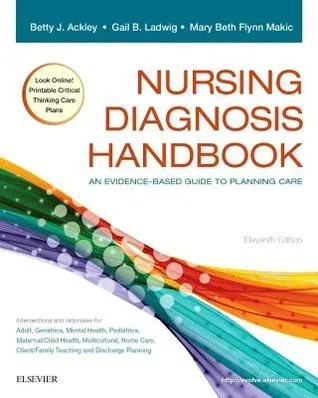
Betty J. Ackley;Gail B. Ladwig;Mary Beth Flynn Makic
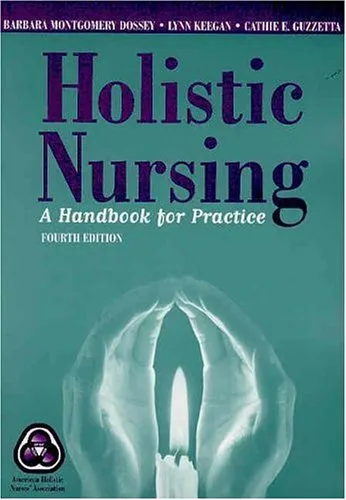
Barbara Montgomery Dossey,Lynn Keegan,Cathie E. Guzzetta