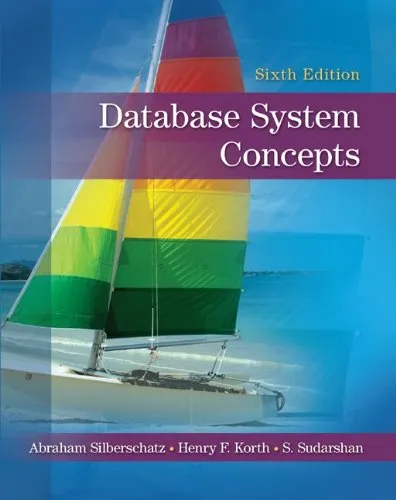
Database System Concepts, 6th Edition
Abraham Silberschatz,Henry F. Korth,S. Sudarshan
2010
View book
Book guide and evaluation
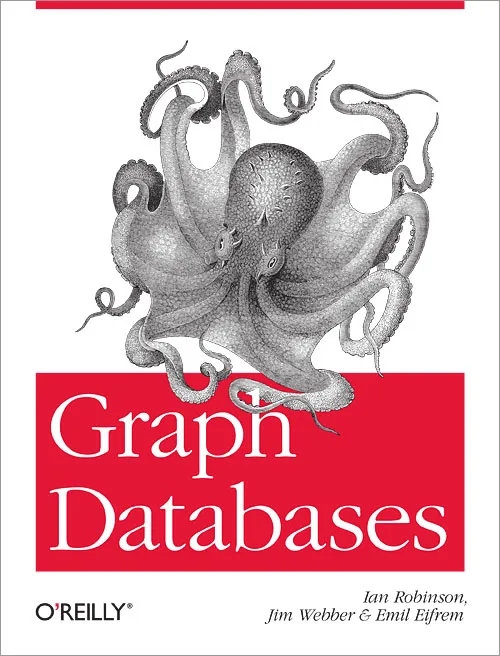
Ian Robinson,Jim Webber,Emil Eifrem
0 reviews
Published
pages
views
Introduction to "Graph Databases" Welcome to the essential guide on graph databases, a transformative technology that represents complex data relationships effortlessly. In "Graph Databases," the intricacies of interconnected data structures are explored in depth, empoweri
Before you read
Welcome to the essential guide on graph databases, a transformative technology that represents complex data relationships effortlessly. In "Graph Databases," the intricacies of interconnected data structures are explored in depth, empowering you to unlock the hidden value within your data.
Graph databases are a revolutionary approach to data management, enabling more profound insights and real-time processing of highly connected datasets. This book serves as a comprehensive introduction to graph databases, starting with the fundamental concepts and progressing to advanced applications. The authors, Ian Robinson, Jim Webber, and Emil Eifrem, provide a deep dive into the world of graph theory and its practical applications in information technology fields such as cybersecurity, social networking, and recommendation systems.
The book covers the architecture and implementation of popular graph database models, predominantly focusing on Neo4j, one of the most advanced graph database platforms available. Readers will learn how to model data in a graph, query efficiently using the Cypher language, and implement a graph database solution that stands resilient in terms of scalability and performance.
Throughout the book, numerous case studies and real-world examples illustrate graph database applications, ensuring that both novices and advanced users can grasp the powerful capabilities these databases offer. The authors also delve into best practices for migrating from relational databases, thus guiding readers to seamlessly transition and adapt to the graph paradigm.
“Graphs are everywhere. From social networks to recommendation systems, they model relationships and interactions crucial to our understanding of complex phenomena.”
“The ability to store and query both domain data and relationships using graph databases fundamentally reimagines our approach to data storage and access.”
In the era of big data and interconnected digital ecosystems, understanding the relationships between data points is increasingly important. "Graph Databases" addresses this need by equipping data professionals with the tools to leverage graph structures to their fullest potential. The book is indispensable for database architects, data scientists, and developers alike, providing them with essential skills to harness the power of graphs in solving complex data challenges.
With the rise of AI and machine learning, the significance of a structured and well-connected dataset cannot be overstated. Graph databases offer more than just a way to store data; they provide a framework for understanding the intricate patterns and hidden connections that drive informed decision-making. By adopting the principles and practices detailed in this book, your data infrastructure will be stronger, more efficient, and ready for the future of data management.
Your question is answered in the context of this title and author. Each answer uses 2 points.
0 reviews, 4.6 average out of 5
Sign in to publish a review.
Ask a focused question and learn from the community.
Related references that continue this learning path.
Abraham Silberschatz,Henry F. Korth,S. Sudarshan