
Book guide and evaluation
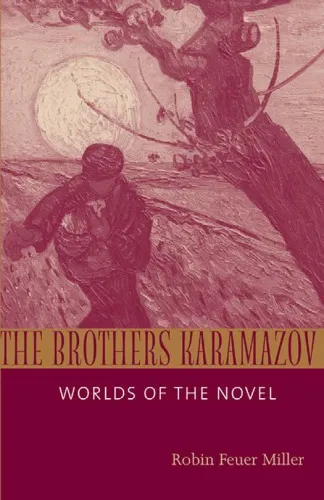
Fyodor Dostoyevsky: The Brothers Karamazov
W. J. Leatherbarrow
English
Intermediate
novel
4.9 / 5
0 reviews
1992
Published
131
pages
644
views
Fyodor Dostoyevsky: The Brothers Karamazov Fyodor Dostoyevsky's "The Brothers Karamazov" is widely regarded as one of the greatest novels in world literature. This profound work intertwines themes of faith, doubt, family, and redemption, offering a complex narrative that sti
Before you read
What will you get from this book?
Fyodor Dostoyevsky: The Brothers Karamazov
Fyodor Dostoyevsky's "The Brothers Karamazov" is widely regarded as one of the greatest novels in world literature. This profound work intertwines themes of faith, doubt, family, and redemption, offering a complex narrative that still resonates with readers today. Here, we delve into the novel's detailed summary, key takeaways, famous quotes, and its significance in literary history.
Detailed Summary of the Book
"The Brothers Karamazov" is Dostoyevsky's exploration of the conflicting aspects of human nature and the existential dilemmas that lie at the heart of humanity. Set in 19th-century Russia, the novel revolves around the Karamazov family, focusing on the lives of three brothers: Dmitri (Mitya), Ivan, and Alexei (Alyosha), and their relationship with their dissolute father, Fyodor Pavlovich Karamazov.
The plot is driven by a patricide that shakes the Karamazov family to its core. Each brother represents different philosophical archetypes: Dmitri, the passionate seeker of sensory gratification; Ivan, the intellectual skeptic; and Alyosha, the devout novice committed to the teachings of the monastery. The novel also introduces Smerdyakov, the illegitimate sibling, whose role is pivotal to the unraveling murder mystery.
Through intense dialogue and existential introspection, Dostoyevsky delves into crucial questions of free will, morality, faith, and redemption. The novel builds towards a courtroom drama where moral ambiguities are laid bare, inviting readers to ponder the depth of guilt, the nature of justice, and the possibility of forgiveness.
Key Takeaways
- Exploration of Philosophical and Theological Themes: The novel is deeply philosophical, questioning the existence of God, the problem of evil, and the nature of moral responsibility.
- Complex Characterization: Each character is richly depicted, contributing to a multi-layered exploration of the human psyche and universal moral dilemmas.
- Narrative Intricacy: The intricate plot and subplots weave together themes of family, betrayal, love, and forgiveness, highlighting Dostoyevsky's narrative skill.
- Impact on Literature and Thought: The novel has influenced countless writers and thinkers, cementing its place as a seminal work in global literary and philosophical canon.
Famous Quotes from the Book
"If God does not exist, everything is permitted."
“The mystery of human existence lies not in just staying alive, but in finding something to live for.”
“What is hell? I maintain that it is the suffering of being unable to love.”
Why This Book Matters
"The Brothers Karamazov" matters because it challenges its readers to confront profound and enduring questions about human nature and the divine. Dostoyevsky's exploration of existential themes provides a blueprint for understanding the human condition, tackling doubts and struggles ubiquitous across cultures and times. Its narrative sophistication and intellectual depth have secured its place in the pantheon of classic literature, redefining the way novels can intertwine philosophical inquiry with human drama.
Moreover, the novel's influence extends beyond literature into theology, psychology, and philosophy, where its introspective examination of the human soul continues to provoke discourse. Dostoyevsky’s work invites readers to reflect on their own beliefs and values, asking not just who we are, but who we might become in the face of our moral choices.
Audio introductions
Persian Summary
Ask this book
Your question is answered in the context of this title and author. Each answer uses 2 points.
Sign in to ask the book assistant.
Reader reviews
0 reviews, 4.9 average out of 5
No reviews yet
If you have read this book, help the next reader with your experience.
Write a review
Sign in to publish a review.
Reader questions and answers
Ask a focused question and learn from the community.
Sign in to ask or answer a question.
No questions yet
Be the first to ask a clear, useful question.
What to read next
Related references that continue this learning path.