
Book guide and evaluation
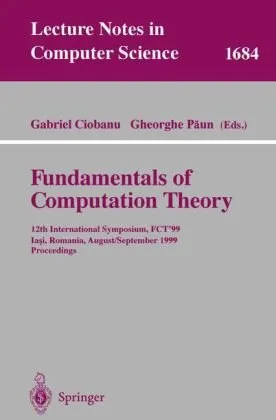
Fundamentals of Computation Theory: 12th International Symposium, FCT’99 Iaşi, Romania, August 30 - September 3, 1999 Proceedings
Marek Karpinski (auth.),Gabriel Ciobanu,Gheorghe Păun (eds.)
English
Beginner
Computer Science and Theory
4.3 / 5
0 reviews
1999
Published
581
pages
470
views
Introduction to "Fundamentals of Computation Theory: 12th International Symposium, FCT’99" "Fundamentals of Computation Theory: 12th International Symposium, FCT’99" is a comprehensive collection of scholarly papers that delve into the diverse and intricate world of computatio
Before you read
What will you get from this book?
Introduction to "Fundamentals of Computation Theory: 12th International Symposium, FCT’99"
"Fundamentals of Computation Theory: 12th International Symposium, FCT’99" is a comprehensive collection of scholarly papers that delve into the diverse and intricate world of computation theory. Held in Iaşi, Romania, from August 30 to September 3, 1999, this conference gathered some of the brightest minds in computational science to discuss advancements and research findings that push the boundaries of what is possible in computational theory.
Detailed Summary of the Book
The proceedings of the FCT’99 serve as an essential compendium of contemporary research findings in the realm of computational theory. This volume encapsulates the work presented by renowned academics and researchers from diverse backgrounds, all contributing to the collective understanding of computation. Featuring a myriad of topics, the book covers algorithms, computational complexity, formal languages, automata theory, and more. The insights gathered within these pages offer readers a panoramic view of the current challenges and progressions in the field of computation theory at the time.
Each paper provides an in-depth analysis of its subject, showcasing the originality and ingenuity that marked the symposium. From foundational theoretical discussions to practical applications that push the boundaries of how we leverage computational capabilities, this volume remains a critical resource for scholars and practitioners alike.
Key Takeaways
- The book presents a comprehensive overview of the state-of-the-art research in computation theory as of 1999, reflecting on the critical areas of study that have sustained interest and debate in the field.
- It emphasizes the significance of formal languages and automata, both as fundamental theoretical constructs and as practical tools within computation.
- The exploration of algorithms and computational complexity underscores the importance of efficiency and feasibility in algorithm design and implementation.
- Readers are introduced to novel approaches and solutions to long-standing problems, encouraging further research and exploration.
Famous Quotes from the Book
“In computation theory, each problem can be viewed not only as a challenge but as an opportunity to deepen our core understanding of language, logic, and efficiency.”
“The complexity of an algorithm is not just a measure of its efficiency, but a story of its evolution, reflecting years, sometimes decades, of intellectual confrontation and synthesis.”
Why This Book Matters
This book is a vital scholarly resource because it encapsulates the essence of computational research as it stood at a pivotal time at the end of the 20th century. It marks an era where the rapid development of computational methodologies began to vastly enhance the capabilities of technology. By understanding the works and ideas presented in these proceedings, readers can trace the evolution of computational theory, gaining insights into how past research has shaped modern computation.
The interdisciplinary nature of the topics discussed in this book also highlights the interconnectedness of various fields within mathematics and computer science, fostering a more integrated approach to innovation and discovery. As computational challenges grow in complexity, referencing the findings and discussions within this symposium provides valuable context for current and future research initiatives.
Ask this book
Your question is answered in the context of this title and author. Each answer uses 2 points.
Sign in to ask the book assistant.
Reader reviews
0 reviews, 4.3 average out of 5
No reviews yet
If you have read this book, help the next reader with your experience.
Write a review
Sign in to publish a review.
Reader questions and answers
Ask a focused question and learn from the community.
Sign in to ask or answer a question.
No questions yet
Be the first to ask a clear, useful question.
What to read next
Related references that continue this learning path.
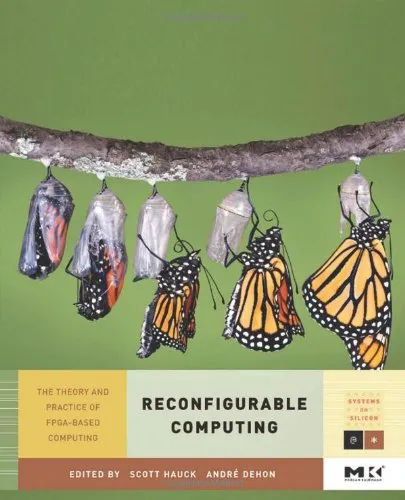
Reconfigurable computing: the theory and practice of FPGA-based computation
Scott Hauck,André DeHon
2007
View book