Loading
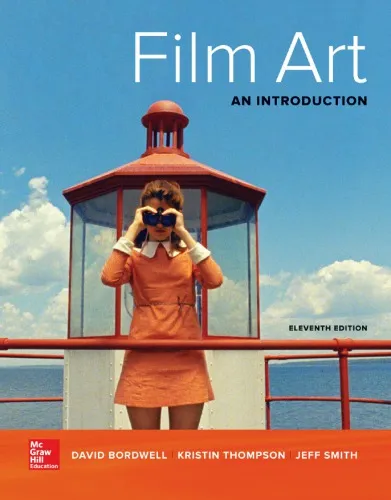
Cover of Film Art: An Introduction, 11th Edition

Book guide and evaluation

Film Art: An Introduction, 11th Edition

David Bordwell,Kristin Thompson,Jeff Smith

English Advanced Film & Cinema
4.0 / 5

2 reviews

2016

Published

545

pages

8613

views

Welcome to the comprehensive introduction to Film Art: An Introduction, 11th Edition, a cornerstone in the field of film studies penned by David Bordwell, Kristin Thompson, and Jeff Smith. This book serves as an essential guide for anyone looking to delve into the art of cine

Before you read

What will you get from this book?

Welcome to the comprehensive introduction to Film Art: An Introduction, 11th Edition, a cornerstone in the field of film studies penned by David Bordwell, Kristin Thompson, and Jeff Smith. This book serves as an essential guide for anyone looking to delve into the art of cinema, whether you're a student, scholar, or enthusiast.

Detailed Summary of the Book

In its 11th edition, Film Art: An Introduction continues to blend insightful analysis with the latest trends and developments in cinema. This edition builds on its legacy by offering new perspectives and retaining its meticulous examination of film as an art form. The text is structured to take readers on a journey through the essential techniques and concepts that shape films, from their inception in script form to their realization on the silver screen. Each chapter is crafted to highlight different aspects of filmmaking—narrative construction, visual design, cinematography, editing, sound, acting, and more. Key updates in this edition reflect the evolving landscape of digital cinema and the impact of technology on traditional filmmaking practices, making it both current and historically informed. The book also places emphasis on real-world applications and critical thinking skills, encouraging readers to critically analyze and appreciate films beyond surface-level entertainment.

Key Takeaways

  • The book serves as a thorough introduction to the art and craft of filmmaking, explaining intricate film processes in accessible language.
  • It covers a wide range of cinematic methods and techniques, including storytelling, artistic elements, and technical skills.
  • Incorporates case studies and in-depth analyses of classic and contemporary films, allowing readers to connect theoretical concepts to practical examples.
  • Highlights how technological advancements like digital cinematography and streaming platforms influence film art.
  • Encourages a deeper appreciation for film as a significant cultural and artistic medium.

Famous Quotes from the Book

"Film is an art form with a language and an aesthetic all its own."

David Bordwell, Kristin Thompson, Jeff Smith

"Cinema is unique among the arts in its ability to convey information, not only through words and dialogue but through visual and aural cues."

David Bordwell, Kristin Thompson, Jeff Smith

Why This Book Matters

As a foundational text in the field of film studies, Film Art: An Introduction has been instrumental in shaping how films are analyzed and appreciated academically. It stands as an indispensable resource for understanding the multifaceted nature of cinema. This book matters because it offers both a historical and a contemporary view of film as a constantly evolving art form. It bridges the gap between theory and practice, providing rich insights for filmmakers, critics, and students alike. Through its clear and engaging prose, the book invites readers to explore the dynamics of filmmaking and encourages a critical mindset towards understanding and interpreting films in their socio-cultural contexts. The authors' collaborative expertise renders this book an authority on the visual and narrative elements that define film art, making it a vital read for anyone aiming to gain profound cinematic knowledge.

Audio introductions

Persian Summary

Ask this book

Your question is answered in the context of this title and author. Each answer uses 2 points.

Sign in to ask the book assistant.

Your previous questions

تعبیر بوردول از فیلم از نفس افتاده چیست
در کتاب *فیلم‌هنر: مدخلی بر زیبایی‌شناسی سینما*، ما (دیوید بوردول، کریستین تامسون و جف اسمیت) به فیلم **«از نفس افتاده»** (Jean-Luc Godard, 1960) به عنوان نمونه‌ای شاخص از موج نوی فرانسه نگاه می‌کنیم و آن را از منظر شیوه‌های روایی و سبک بررسی می‌کنیم. تعبیر ما این است که این فیلم با شکستن قراردادهای سینمای کلاسیک هالیوود، هم در روایت و هم در تکنیک‌های فیلم‌برداری، تجربه‌ای تازه برای تماشاگر ایجاد می‌کند. فیلم از برش‌های پرشی (jump cuts) استفاده می‌کند تا ریتم و زمان را تغییر دهد و توجه بیننده را به ساختار فیلم جلب کند. همچنین روایت آن شل‌تر از روایت کلاسیک است: خط داستانی اصلی (فرار میشل و رابطه او با پاتریشیا) به شکل اپیزودیک و با تعلیق‌های غیرمتعارف پیش می‌رود. گدار با این کار — از جمله حذف ایجاد تداوم فضایی و زمانی کامل و استفاده از فیلم‌برداری در مکان‌های واقعی — باعث می‌شود بیننده به «ساختگی بودن» فیلم آگاه شود؛ چیزی که در موج نو به عنوان بخشی از خلاقیت و نقد سینمای پیشین مطرح بود. بوردول تأکید دارد که «از نفس افتاده» نه صرفاً برای داستانش، بلکه برای شیوه‌ی گفتن داستان، اهمیت تاریخی دارد. اگر بخواهی می‌توانم توضیح بدهم چطور این ویژگی‌ها در چارچوب مفاهیم «روایت» و «سبک» در کتاب تحلیل می‌شوند تا ارتباط ساختاری فیلم با نظریه‌ی سینمای مدرن روشن شود. آیا مایل هستی؟
درباره فیلم از نفس افتاده گدار چه مطالبی هست
در کتاب *هنر سینما: درآمدی* (*Film Art: An Introduction*)، در بخش‌هایی که دربارهٔ سینمای مدرن و به ویژه موج نوی فرانسه صحبت می‌شود، فیلم **«از نفس افتاده»** (*À bout de souffle*) ساخته ژان-لوک گدار به عنوان یکی از آثار شاخص این جنبش مورد اشاره قرار می‌گیرد. ما در کتاب توضیح می‌دهیم که چگونه گدار با به‌کارگیری تکنیک‌های تازه و گاهی «غیرقانونی» از نظر قواعد کلاسیک هالیوود، به شکستن هنجارهای روایی و سبکی پرداخت. از جمله نکات ذکر شده: - **تدوین پرشی (Jump Cut):** یکی از نوآوری‌های برجستهٔ فیلم که به‌طور عمدی تدوین پیوسته را می‌شکند و زمان و فضا را قطعه‌قطعه می‌کند. این کار حس گسست، بی‌قراری و بی‌ثباتی را منتقل می‌کند و با حالت ذهنی شخصیت اصلی هماهنگ است. - **روایت آزاد و غیرمتعارف:** داستان به شیوه‌ای روایت می‌شود که بیشتر بر لحظات و برخوردهای گذرا متمرکز است تا بر پیشبرد خط داستانی کلاسیک علت-معلولی. - **فیلم‌برداری در مکان‌های واقعی:** استفاده از دوربین سبک، نور طبیعی و فیلم‌برداری در خیابان‌های پاریس موجب حس آنی و مستندگونه می‌شود. - **ارجاعات بینامتنی و خودآگاهی سینمایی:** شخصیت‌ها به فرهنگ عامه و تاریخ سینما ارجاع می‌دهند و گاهی مرز بین داستان و آگاهی مخاطب از فیلم بودن اثر کم‌رنگ می‌شود. - **شخصیت‌پردازی متفاوت:** قهرمان فیلم – میشل – همزمان جذاب و ضدقهرمان است، و این ambiguity در سینمای موج نو رایج می‌شود. در مجموع، «از نفس افتاده» در کتاب به عنوان نمونه‌ای برای بررسی چگونگی نوآوری در سبک و روایت معرفی می‌شود که هنجارهای سینمای کلاسیک را به چالش می‌کشد و راه را برای سینمای مدرن هموار می‌کند. اگر بخواهید، می‌توانم برایتان توضیح دهم که **تدوین پرشی در این فیلم دقیقاً چگونه عمل می‌کند و چه تأثیری بر تجربه تماشاگر دارد**. آیا مایلید؟
بله لطفا
سلام، لطفاً سوال خود را مطرح کنید تا بر اساس مطالب کتاب *Film Art: An Introduction, 11th Edition* پاسخ دهم.

Reader reviews

2 reviews, 4.0 average out of 5

stil

2025/01/03

4 / 5

hello

justin82

2025/10/17

4 / 5

need this book for class give me the book now please bro

Write a review

Sign in to publish a review.

Reader questions and answers

Ask a focused question and learn from the community.

Sign in to ask or answer a question.

No questions yet

Be the first to ask a clear, useful question.