
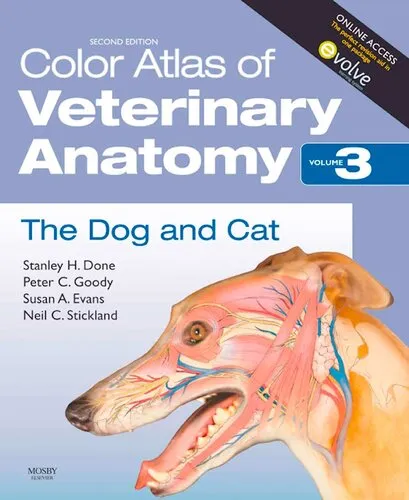
Color Atlas of Veterinary Anatomy, Volume 3: The Dog and Cat
Stanley H. Done,Peter C. Goody,Susan A. Evans,Neil C. Stickland
2009
View book
Book guide and evaluation
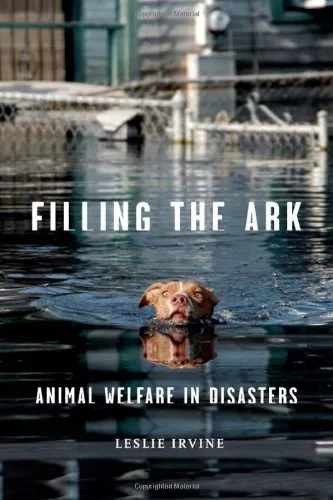
Leslie Irvine
0 reviews
Published
pages
views
Welcome to the comprehensive introduction to "Filling the Ark: Animal Welfare in Disasters," a book that sheds light on the intersection of animal welfare and disaster management. This book, authored by Leslie Irvine, addresses the often-overlooked issue of how disasters impact
Before you read
Welcome to the comprehensive introduction to "Filling the Ark: Animal Welfare in Disasters," a book that sheds light on the intersection of animal welfare and disaster management. This book, authored by Leslie Irvine, addresses the often-overlooked issue of how disasters impact animals and examines the necessary steps to mitigate these impacts. In this introduction, we provide a detailed summary, key takeaways, notable quotes, and reasons why this book is crucial in today's context.
In "Filling the Ark: Animal Welfare in Disasters," Leslie Irvine explores the critical yet underrepresented topic of animal welfare during catastrophic events. With a meticulous analysis of various disaster scenarios, Irvine highlights how animals, ranging from pets to livestock, face perilous situations when disasters strike. The ark metaphor signifies the need to create comprehensive plans that ensure animals are not forgotten when emergencies occur.
Irvine investigates the bonds between humans and animals, emphasizing how these relationships can exacerbate the emotional toll of disasters on human populations. By examining real-life case studies from events like hurricanes, earthquakes, and fires, the author articulates the challenges faced by emergency response teams and animal welfare advocates. "Filling the Ark" argues for the inclusion of animals in disaster planning at all levels of governance to mitigate suffering and improve outcomes for both animals and humans.
"In disasters, the vulnerability of animals reflects the vulnerability of humans, highlighting the need for a synchronized approach to welfare for all living beings."
"The ark metaphor signifies a collective responsibility, reminding us that in times of crisis, no species should be left behind."
"Our relationships with animals demand that we consider their fate during disasters, shaping policies that reflect our ethical obligations."
"Filling the Ark" is a pivotal work because it expands the discourse on disaster management to include non-human lives, which are often forgotten in crisis planning and response. It presents a compelling argument for more inclusive disaster policies that consider animal welfare as a critical component of human welfare. Given the increasing frequency and intensity of natural disasters due to climate change, this book highlights an urgent need for policy reform and increased awareness of the connections between human and animal welfare.
By expanding the conversation around disasters to include the welfare of animals, Leslie Irvine’s book serves as a catalyst for change, urging governments, organizations, and individuals to take action. It functions as a vital resource for policymakers, researchers, emergency managers, and animal welfare advocates, providing insights that can lead to more ethical and effective disaster response strategies.
Your question is answered in the context of this title and author. Each answer uses 2 points.
0 reviews, 4.5 average out of 5
Sign in to publish a review.
Ask a focused question and learn from the community.
Related references that continue this learning path.
Stanley H. Done,Peter C. Goody,Susan A. Evans,Neil C. Stickland
Krishna Gopal Narayan,Dharmendra Kumar Sinha,Dhirendra Kumar Singh