Book guide and evaluation
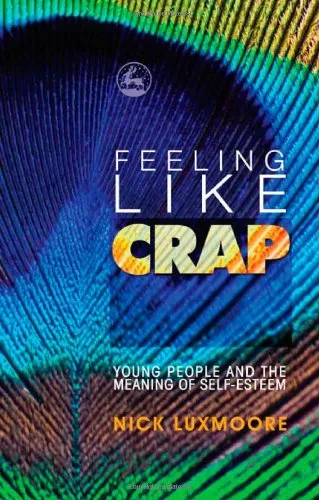
Feeling like crap: young people and the meaning of self-esteem
Nick Luxmoore
English
Beginner
Psychiatry & Psychology
4.5 / 5
0 reviews
2008
Published
164
pages
636
views
Welcome to the world of emotional complexity and introspection in Feeling like Crap: Young People and the Meaning of Self-Esteem, a thought-provoking book that delves into the raw realities of adolescence and the critical concept of self-esteem. As a profe
Before you read
What will you get from this book?
Welcome to the world of emotional complexity and introspection in Feeling like Crap: Young People and the Meaning of Self-Esteem, a thought-provoking book that delves into the raw realities of adolescence and the critical concept of self-esteem. As a professional counselor and writer, I explore the uncomfortable truths behind what it truly means to feel “good enough” in a world that often undermines young people’s sense of self. This introduction will give you a thorough overview of the book, summarizing its core ideas, outlining key takeaways, sharing some powerful quotes, and explaining why this work is so important.
Detailed Summary of the Book
Feeling like Crap examines the complexities of self-esteem in young people, looking beyond simplistic notions of self-confidence and self-love. The book challenges the conventional "quick-fix" strategies to boost self-esteem, contending that these often fail to address the deeper, underlying issues that many adolescents face. Instead, it explores how societal pressures, family dynamics, friendships, education, and mental health intricately shape the way young people feel about themselves.
This journey through self-esteem doesn’t offer easy solutions. Rather, it acknowledges that sometimes feeling "like crap" is an inevitable, even necessary, aspect of growing up. The book's chapters provide anecdotes from real-life counseling interactions, illustrating how young people grapple with feelings of inadequacy, rejection, and identity struggles. These stories are accompanied by professional insights into the psychological and emotional processes that influence self-esteem, all written with a frank, accessible tone meant to connect with readers personally.
Ultimately, the book urges readers—whether young people, parents, or professionals working with adolescents—to rethink what self-esteem truly means. Emphasizing empathy and connection, it argues that the key to building meaningful self-esteem lies not in avoiding pain or difficulty but in acknowledging and working through these challenges.
Key Takeaways
- Self-esteem isn’t about feeling good all the time: True self-esteem involves resilience, self-compassion, and the ability to process difficult emotions.
- Adolescence is inherently complicated: Navigating identity, belonging, and social pressures is messy, and that’s okay.
- Empathy and connection are core to self-esteem: Feeling valued and understood by others is more impactful than superficial affirmations or achievements.
- Adults play a vital role: Adults need to offer young people authentic support, modeling vulnerability and honesty instead of perfection.
- There are no quick fixes: Building self-esteem is a gradual process, requiring insight, patience, and sustained effort.
Famous Quotes from the Book
- “Sometimes, feeling like crap is part of being alive. It’s not something to avoid but something to understand and move through.”
- “The people who help us the most are not the ones who fix our problems but the ones who sit with us while we try to find our own way.”
- “We live in a world that idolizes perfection, yet it overlooks the beauty and power of being imperfect and human.”
- “Self-esteem is not built by avoiding the difficult parts of life but by facing them head-on, however messy or uncomfortable that might be.”
Why This Book Matters
Feeling like Crap stands out in the crowded world of self-help and psychology books because of its raw honesty and deep empathy. It doesn’t offer generic advice or quick solutions; instead, it validates the complexity of emotions and the struggles that young people endure. In a culture obsessed with constant positivity and achievement, this book reminds us that feeling vulnerable and imperfect is an essential part of being human.
It also matters because of its accessibility. Written in a conversational tone, it appeals to a wide audience, not just professionals or academics. Whether you're a teenager navigating the turbulence of growing up, a parent trying to support your child, or a counselor seeking a deeper understanding of adolescent self-esteem, this book offers invaluable insights and encouragement.
Ultimately, this book fosters compassion, both for others and for oneself—a vital quality in today’s world. It encourages readers to embrace discomfort, understand their feelings, and build meaningful connections with others, even in the midst of life’s challenges. In doing so, it lays the foundation for a type of self-esteem that is real, lasting, and empowering.
Ask this book
Your question is answered in the context of this title and author. Each answer uses 2 points.
Sign in to ask the book assistant.
Reader reviews
0 reviews, 4.5 average out of 5
No reviews yet
If you have read this book, help the next reader with your experience.
Write a review
Sign in to publish a review.
Reader questions and answers
Ask a focused question and learn from the community.
Sign in to ask or answer a question.
No questions yet
Be the first to ask a clear, useful question.
What to read next
Related references that continue this learning path.

An Analysis of Clifford Geertz’s The Interpretation of Cultures: Selected Essays
Abena Dadze-Arthur
2017
View book