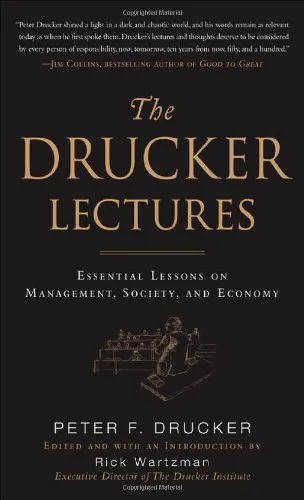
The Drucker Lectures: Essential Lessons on Management, Society and Economy
Peter F. Drucker,Rick Wartzman
2010
View book
Book guide and evaluation
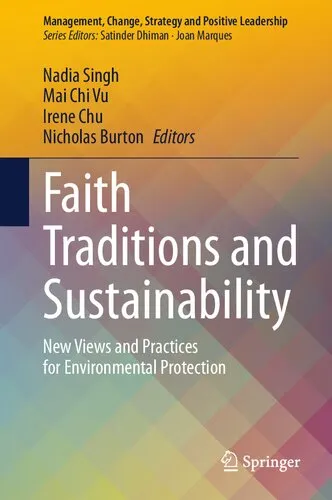
Nadia Singh (editor),Mai Chi Vu (editor),Irene Chu (editor),Nicholas Burton (editor)
0 reviews
Published
pages
views
Introduction In an era marked by pressing environmental challenges, the intersection of faith traditions and sustainability offers a fresh lens through which to view and practice environmental protection. The book "Faith Traditions and Sustainability: New Views and Pra
Before you read
In an era marked by pressing environmental challenges, the intersection of faith traditions and sustainability offers a fresh lens through which to view and practice environmental protection. The book "Faith Traditions and Sustainability: New Views and Practices for Environmental Protection (Management, Change, Strategy and Positive Leadership)" delves into this unique intersection, exploring how diverse spiritual paths can contribute to sustainable living and ecological balance.
This book provides an in-depth analysis of how various faith traditions perceive and act upon issues of environmental sustainability. It highlights the intrinsic values found in religions and spiritual philosophies that advocate for stewardship of the Earth. Through a collection of essays and case studies, the book showcases the active roles played by faith leaders and communities in fostering a sustainable future.
Comprising several chapters, each penned by experts in theology, environmental science, and management, the narrative unfolds a comprehensive vista of how spiritual beliefs can transform eco-practices. It offers nuanced perspectives on integrating traditional ecological knowledge with contemporary sustainability initiatives, emphasizing synergy over discord.
Moreover, the book addresses the need for interfaith cooperation and cross-cultural dialogue as imperative methods for magnifying the impact of sustainability efforts imbued with spiritual significance. By proposing actionable strategies and positive leadership models, the book aims to inspire both believers and non-believers to engage with environmental stewardship actively.
"Faith traditions offer not just a sense of belonging or moral compass, but a duty to protect the very cradle that sustains life on Earth."
"Sustainability is not merely a policy or practice; it is an expression of our deepest spiritual commitments."
As environmental crises escalate globally, there is a pressing urgency to explore innovative paths towards sustainability. This book stands out by illuminating how ancient faith traditions can play a pivotal role in contemporary ecological discourse. It is essential reading for anyone looking to understand the transformative potential of combining faith-based insights with sustainable practices.
The book encourages a paradigm shift from viewing religious doctrines as static or outdated to seeing them as dynamic forces capable of inspiring substantial environmental reforms. It also acts as a catalyst for discussions on positive leadership and change management, grounded in ethics and empathy.
Overall, this book matters because it fosters an inclusive and interdisciplinary approach, marrying spirituality with sustainability to pave the way for a future where environmental and spiritual health are inextricably linked, ensuring a legacy of stewardship for generations to come.
Your question is answered in the context of this title and author. Each answer uses 2 points.
0 reviews, 3.5 average out of 5
Sign in to publish a review.
Ask a focused question and learn from the community.
Related references that continue this learning path.
Peter F. Drucker,Rick Wartzman

David, Fred R;David, Forest R