
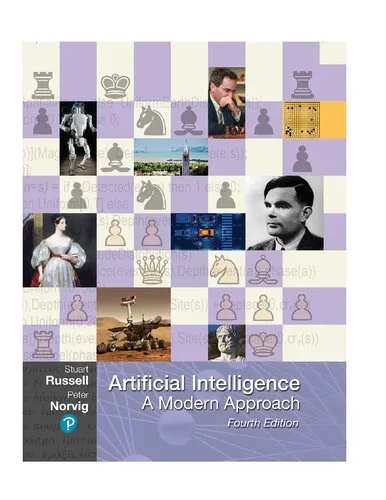
Artificial Intelligence: A Modern Approach (4th Edition) (Pearson Series in Artifical Intelligence)
Stuart Russell,Peter Norvig
2020
View book
Book guide and evaluation
Solon Barocas,Moritz Hardt,Arvind Narayanan
0 reviews
Published
pages
views
Fairness and Machine Learning: Limitations and Opportunities delves into the complex and often misunderstood interplay between algorithmic systems and societal values. As our world increasingly relies on machine learning algorithms for decision-making processes in areas like
Before you read
Fairness and Machine Learning: Limitations and Opportunities delves into the complex and often misunderstood interplay between algorithmic systems and societal values. As our world increasingly relies on machine learning algorithms for decision-making processes in areas like hiring, criminal justice, and healthcare, understanding the nuances of fairness becomes imperative. This book tackles these challenges head-on, providing readers with a comprehensive overview of the current landscape, limitations, and potential opportunities for improving fairness in machine learning.
The book begins by laying a foundational understanding of what fairness means in the context of machine learning. It explores different definitions and approaches to fairness, such as demographic parity and equal opportunity, and examines their implications in real-world applications. The authors, Solon Barocas, Moritz Hardt, and Arvind Narayanan, emphasize the importance of a multidisciplinary approach that combines technical, legal, and ethical perspectives.
Through detailed case studies and analysis, the book highlights instances where algorithms have failed to be fair and discusses the adverse impacts that these failures can have on individuals and groups. It critiques the current methodologies used in designing fair algorithms and points out the inherent trade-offs that often arise, such as the tension between fairness and accuracy.
The latter sections of the book shift towards the future, proposing potential avenues for developing more fair and just machine learning systems. It underscores the role of transparency, accountability, and stakeholder engagement in mitigating the risks of algorithmic bias. The authors argue for a cautious yet optimistic approach to the integration of algorithmic systems in socially sensitive domains.
"The quest for fairness in machine learning is an ongoing conversation that must involve voices from all sectors of society."
"Fairness cannot be distilled into a singular definition or metric; it is a multifaceted concept influenced by context and application."
The book 'Fairness and Machine Learning: Limitations and Opportunities' is instrumental in advancing the dialogue on the ethical implications of artificial intelligence and machine learning. In a world where algorithms influence numerous aspects of daily life, understanding and addressing concerns related to fairness is more urgent than ever.
This book offers a pragmatic approach to fairness, blending technical precision with ethical sensibility. It equips policymakers, researchers, and practitioners with the necessary tools and insights to develop more equitable algorithms. By acknowledging both the limitations and opportunities presented by machine learning, the authors provide a balanced framework that encourages responsible and inclusive technology development.
Your question is answered in the context of this title and author. Each answer uses 2 points.
0 reviews, 4.5 average out of 5
Sign in to publish a review.
Ask a focused question and learn from the community.
Related references that continue this learning path.
Stuart Russell,Peter Norvig
Mary L. Gray;Siddharth Suri