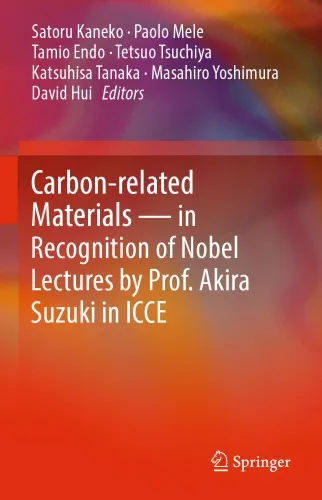
Carbon-related materials in recognition of Nobel Lectures by Prof. Akira Suzuki in ICCE
Endo, Tamio;Hui, David;Kaneko, Satoru;Mele, Paolo;Tanaka, Katsuhisa;Tsuchiya, Tetsuo;Yoshimura, Masahiro
2017
View book
Book guide and evaluation
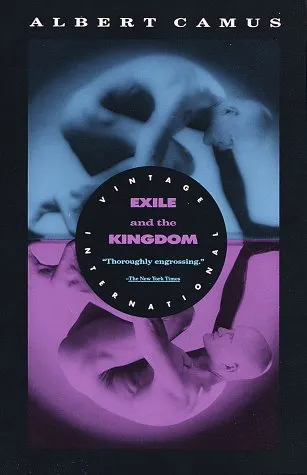
Albert Camus
0 reviews
Published
pages
views
Introduction to 'Exile and the Kingdom' Written by the eminent author Albert Camus, 'Exile and the Kingdom' is a profound collection of six short stories that delve into the complexities of human existence, isolation, and the quest for freedom. Published in 1957, this evoc
Before you read
Written by the eminent author Albert Camus, 'Exile and the Kingdom' is a profound collection of six short stories that delve into the complexities of human existence, isolation, and the quest for freedom. Published in 1957, this evocative book showcases Camus' philosophical depth, bringing forth themes that resonate with readers long after the last page is turned. In this renowned collection, Camus explores various themes, from existentialism to absurdism, making it an essential read for those interested in philosophical literature.
'Exile and the Kingdom' contains six stories, each providing a unique viewpoint on human nature and the struggles against the absurdity of life. The stories share a thematic commonality of exile and the search for belonging, paradoxically leading characters towards an uncertain kingdom.
The collection begins with “The Adulterous Woman,” a tale that explores the spiritual awakening of a woman trapped in a passionless marriage. In “The Renegade or a Confused Spirit,” Camus tells the story of a missionary's perilous journey into a community that ultimately leads to his existential crisis. “The Silent Men” follows the story of a group of workers whose existence depends on maintaining silence in the face of adversity. “The Guest” revisits themes of hospitality and moral ambiguity as a schoolteacher must decide the fate of an Arab prisoner. “Jonas or the Artist at Work” provides a satirical take on the life of an artist, exploring the dichotomy between personal and professional life. Lastly, “The Growing Stone” depicts a French engineer's journey into Africa, confronting belief and doubt.
"Above all, in order to be, never try to seem."
"Freedom is nothing but a chance to be better."
'Exile and the Kingdom' remains a significant work for several reasons. First, it demonstrates Camus' mastery of narrative through its profound storytelling and vivid, philosophical insights. Each story serves not only as a window into individual life's struggles but also as a broader reflection on societal norms and the human condition.
Further, the book is a quintessential representation of Camus' philosophical ideologies, particularly absurdism. It challenges readers to face the absurd, navigate existential angst, and ultimately seek personal freedom within their constraints.
The intricate interweaving of philosophical thought with narrative makes 'Exile and the Kingdom' a seminal text for those studying philosophy, literature, or human psychology. Its influence persists, encouraging introspection and challenging preconceived notions about life, freedom, and moral responsibility.
Your question is answered in the context of this title and author. Each answer uses 2 points.
0 reviews, 4.4 average out of 5
Sign in to publish a review.
Ask a focused question and learn from the community.
Related references that continue this learning path.
Endo, Tamio;Hui, David;Kaneko, Satoru;Mele, Paolo;Tanaka, Katsuhisa;Tsuchiya, Tetsuo;Yoshimura, Masahiro