
Book guide and evaluation
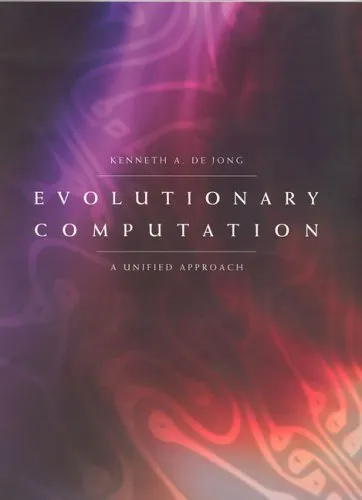
Evolutionary computation: a unified approach
Kenneth A. De Jong
English
Intermediate
Artificial Intelligence (AI)
4.5 / 5
0 reviews
2002
Published
267
pages
551
views
Introduction to 'Evolutionary Computation: A Unified Approach' Embark on an enlightening journey through the fascinating world of evolutionary computation with Kenneth A. De Jong's seminal work, 'Evolutionary Computation: A Unified Approach'. This book masterfu
Before you read
What will you get from this book?
Introduction to 'Evolutionary Computation: A Unified Approach'
Embark on an enlightening journey through the fascinating world of evolutionary computation with Kenneth A. De Jong's seminal work, 'Evolutionary Computation: A Unified Approach'. This book masterfully synthesizes the core concepts of evolutionary algorithms, providing a comprehensive understanding for both newcomers and seasoned researchers in the field.
Detailed Summary of the Book
Kenneth A. De Jong's 'Evolutionary Computation: A Unified Approach' presents an in-depth exploration of evolutionary algorithms, a subset of artificial intelligence inspired by the principles of biological evolution. This book is crafted to introduce readers to the theoretical foundations and practical applications of evolutionary computation, a powerful paradigm in solving complex optimization problems.
Structured to guide readers from basic concepts to advanced topics, the book covers various evolutionary algorithms, including genetic algorithms, evolutionary strategies, and genetic programming. De Jong delves into the nuances of each algorithm, discussing their historical development, underlying mechanisms, and diverse applications.
Through clear explanations and illustrative examples, the book demonstrates how evolutionary algorithms have revolutionized problem-solving across domains such as engineering, economics, and bioinformatics. The text further explores hybrid approaches, integrating evolutionary methods with other computational techniques to enhance performance and scalability.
Key Takeaways
- Comprehensive Overview: Gain a broad understanding of the key principles and algorithms in the field of evolutionary computation.
- Algorithmic Mastery: Learn the intricacies of different evolutionary algorithms, understanding their unique approaches and optimal use cases.
- Practical Applications: Discover how evolutionary algorithms are effectively applied to real-world problems, enhancing decision-making and optimization processes.
- Theoretical Insights: Dive into the theoretical underpinnings of evolutionary computation, providing a foundation for future research and development.
- Interdisciplinary Approach: Explore how evolutionary computation intersects with other scientific fields, fostering innovation and collaboration.
Famous Quotes from the Book
"Evolutionary computation is not just about simulating natural evolution but about applying its principles to solve complex problems in innovative ways."
"The power of evolutionary algorithms lies in their ability to adapt and improve solutions over time, mimicking the very essence of nature's problem-solving prowess."
Why This Book Matters
In the fast-evolving landscape of artificial intelligence, understanding evolutionary computation is crucial. Kenneth A. De Jong's book serves as an essential resource, bridging gaps between theory and practice while offering insights into cutting-edge research. By equipping readers with a unified approach to evolutionary computation, the book empowers researchers, practitioners, and students to harness the potential of evolutionary algorithms in addressing modern challenges.
Its detailed examination of algorithmic strategies and adaptability highlights the role of evolutionary computation in fostering innovation across industries. As computational problems grow in complexity, this book remains a timeless guide for those seeking to advance their expertise and contribute to the progress of computational sciences.
Ask this book
Your question is answered in the context of this title and author. Each answer uses 2 points.
Sign in to ask the book assistant.
Reader reviews
0 reviews, 4.5 average out of 5
No reviews yet
If you have read this book, help the next reader with your experience.
Write a review
Sign in to publish a review.
Reader questions and answers
Ask a focused question and learn from the community.
Sign in to ask or answer a question.
No questions yet
Be the first to ask a clear, useful question.
What to read next
Related references that continue this learning path.
Analysis and Design of Intelligent Systems using Soft Computing Techniques
Lotfi A. Zadeh (auth.),Patricia Melin,Oscar Castillo,Eduardo Gomez Ramírez,Janusz Kacprzyk,Witold Pedrycz (eds.)
2007
View book
Handbook of Evolutionary Computation (Computational Intelligence Library)
Thomas Bäck,David B. Fogel,Zbigniew Michalewicz
1997
View book