
Gray's anatomy for students
Drake, Richard Lee;Gray, Henry;Mitchell, Adam W. M.;Vogl, Wayne
2015
View book
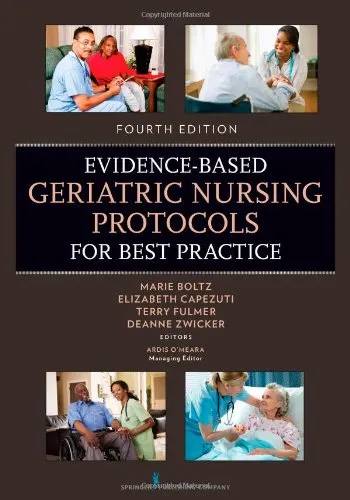
Book guide and evaluation
Marie Boltz,Elizabeth Capezuti,Terry T. Fulmer,DeAnne Zwicker,Ardis O'Meara
0 reviews
Published
pages
views
Introduction to "Evidence-Based Geriatric Nursing Protocols for Best Practice" "Evidence-Based Geriatric Nursing Protocols for Best Practice" is an essential resource for healthcare professionals dedicated to optimizing geriatric care. Written by leading experts Marie Boltz, E
Before you read
"Evidence-Based Geriatric Nursing Protocols for Best Practice" is an essential resource for healthcare professionals dedicated to optimizing geriatric care. Written by leading experts Marie Boltz, Elizabeth Capezuti, Terry T. Fulmer, DeAnne Zwicker, and Ardis O'Meara, the book serves as a comprehensive guide for delivering evidence-based nursing practices tailored to the complex needs of older adults.
As the aging population grows worldwide, the challenges of providing exceptional care to elderly individuals become increasingly vital. This book focuses on equipping nurses, clinicians, and caregivers with the tools and protocols necessary for effective assessment, intervention, and management of elder health in diverse care settings. Each chapter is meticulously grounded in the latest research and best practices in geriatric nursing, making it a go-to reference for practitioners who seek to offer compassionate and evidence-driven care.
This resource is more than just a manual; it is a call to action for a multidisciplinary approach to eldercare. Packed with expert insights, clinical examples, and actionable protocols, the book is ideal for enhancing both competency and confidence among nursing professionals.
The book provides a thorough exploration of geriatric nursing practices rooted in evidence-based methodologies. Key areas covered include preventative care, chronic disease management, safe medication practices, mental health considerations including dementia and delirium, and strategies to reduce fall risks. It empowers nurses to perform comprehensive geriatric assessments, understand the physiological and psychosocial aspects of aging, and advocate for patient-centered care.
One of the standout features of the book is its protocol-based approach. Each protocol is detailed, supported by research, and explicitly designed to address critical challenges in geriatric nursing. These protocols are structured to be practical and applicable irrespective of the practice setting—be it hospitals, long-term care facilities, or community-based services.
The book also emphasizes interdisciplinary collaboration, acknowledging that optimal care for older adults often requires input from physicians, social workers, physical therapists, and other healthcare providers. This multidisciplinary perspective ensures a holistic approach to managing the health and well-being of elderly patients.
Additionally, the book outlines methods for cultivating cultural competence in geriatric care, recognizing the diversity of needs based on ethnicity, gender, and socioeconomic status. Each chapter concludes with key points and suggestions for implementation, helping readers translate knowledge into practice seamlessly.
"Caring for older adults is a privilege that requires both skill and humanity. Evidence-based practices ensure that care is not only effective but also respectful of the unique needs of this population."
"The aging process does not diminish the right to quality healthcare; it amplifies the need for specialized, compassionate care tailored to the complexities of later life."
"Evidence-Based Geriatric Nursing Protocols for Best Practice" is a vital resource in today's healthcare landscape. With the global elderly population growing rapidly, there is an urgent need for healthcare providers to understand the nuances of geriatric care. This book bridges the gap between evidence-based research and clinical practice, ensuring that nurses are empowered to make informed decisions that improve patient outcomes.
Furthermore, the book's emphasis on safety, prevention, and interdisciplinary care reflects the complexities of treating older adults who often suffer from multiple chronic conditions. By equipping healthcare providers with targeted protocols, this resource contributes to reducing hospital readmissions, minimizing complications, and enhancing the overall quality of life for elderly patients.
This book is not only a practical guide; it is a testament to the dedication of nurses and healthcare professionals who strive to deliver excellence in geriatric care. Its relevance extends beyond clinical settings to academic environments, where it can be used as a textbook for training future generations of geriatric care specialists.
In conclusion, "Evidence-Based Geriatric Nursing Protocols for Best Practice" is an indispensable tool for anyone committed to making a positive difference in the lives of older adults through evidence-based nursing care.
Your question is answered in the context of this title and author. Each answer uses 2 points.
0 reviews, 4.5 average out of 5
Sign in to publish a review.
Ask a focused question and learn from the community.
Related references that continue this learning path.
Drake, Richard Lee;Gray, Henry;Mitchell, Adam W. M.;Vogl, Wayne
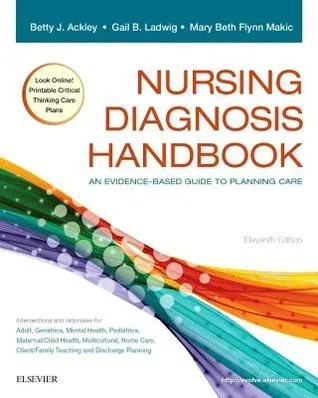
Betty J. Ackley;Gail B. Ladwig;Mary Beth Flynn Makic
Barbara Montgomery Dossey,Lynn Keegan,Cathie E. Guzzetta