
Book guide and evaluation
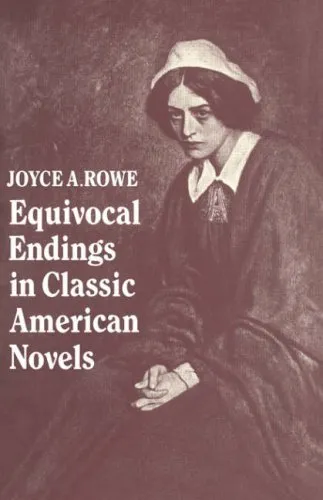
Equivocal Endings in Classic American Novels: The Scarlet Letter; Adventures of Huckleberry Finn; The Ambassadors; The Great Gatsby
Joyce A. Rowe
English
Intermediate
novel
4.0 / 5
0 reviews
1988
Published
170
pages
454
views
Introduction Welcome to 'Equivocal Endings in Classic American Novels: The Scarlet Letter; Adventures of Huckleberry Finn; The Ambassadors; The Great Gatsby', a literary exploration of some of the most thought-provoking and enigmatic conclusions in American literature. Thi
Before you read
What will you get from this book?
Introduction
Welcome to 'Equivocal Endings in Classic American Novels: The Scarlet Letter; Adventures of Huckleberry Finn; The Ambassadors; The Great Gatsby', a literary exploration of some of the most thought-provoking and enigmatic conclusions in American literature. This book delves into the profound complexities and subtle nuances that define the endings of these cherished novels. It provides readers with insights into the authors' intentions and the cultural reverberations of these narratives' conclusions.
Detailed Summary
This book examines the distinctive and often ambiguous endings of four hallmark American novels. Each chapter is dedicated to a single work, dissecting the narrative structure and thematic layers that contribute to its concluding equivocations:
- The Scarlet Letter: Nathaniel Hawthorne's masterpiece concludes with an air of mystery around the fate of its characters and the moral implications of their actions.
- Adventures of Huckleberry Finn: Mark Twain's quintessential American tale leaves readers pondering the future of Huck and Jim, and the unresolved nature of societal norms at the time.
- The Ambassadors: Henry James delivers an ending that is both conclusive and indefinite, prompting reflection on personal transformation and cultural perception.
- The Great Gatsby: F. Scott Fitzgerald's iconic novel ends with a meditative perspective on the American Dream, entwining hope and melancholy.
Through careful analysis, each chapter invites readers to engage with these narratives beyond their plots to discover how equivocal endings enhance the thematic depth and enduring impact of these works.
Key Takeaways
- The power of ambiguity in literature as a tool for engaging the reader's interpretation and emotional investment.
- How the cultural and historical context of each novel informs its ambiguous ending.
- The role of the reader in deriving meaning from open-ended narratives, transforming personal perspectives and understanding.
Famous Quotes
The Scarlet Letter
"A pure hand needs no glove to cover it."
Adventures of Huckleberry Finn
"All right, then, I'll go to hell."
The Ambassadors
"Live all you can; it's a mistake not to."
The Great Gatsby
"So we beat on, boats against the current, borne back ceaselessly into the past."
Why This Book Matters
The study of equivocal endings in classic American novels is essential for several reasons. Firstly, it engages with the tradition of American literature's fascination with exploring new frontiers, both physically and mentally. These open-ended conclusions mirror the complexity of the American experience and the ongoing quest for identity and meaning. Moreover, by understanding these narratives' ambiguities, readers gain deeper insights into the societal and cultural questions that have shaped, and continue to influence, American life.
Further, this book serves as a guide for readers and scholars who wish to delve deeper into American literary themes and narrative techniques. It enhances the appreciation of these novels' artistry and the skillful way their authors manipulate language and form to evoke contemplation and discussion.
In conclusion, 'Equivocal Endings in Classic American Novels' highlights the enduring legacy and relevance of these seminal works in the canon of American literature. It underscores the importance of ambiguity in storytelling, inviting readers to look beyond the surface and engage in a richer, more fulfilling reading experience.
Ask this book
Your question is answered in the context of this title and author. Each answer uses 2 points.
Sign in to ask the book assistant.
Reader reviews
0 reviews, 4.0 average out of 5
No reviews yet
If you have read this book, help the next reader with your experience.
Write a review
Sign in to publish a review.
Reader questions and answers
Ask a focused question and learn from the community.
Sign in to ask or answer a question.
No questions yet
Be the first to ask a clear, useful question.
What to read next
Related references that continue this learning path.
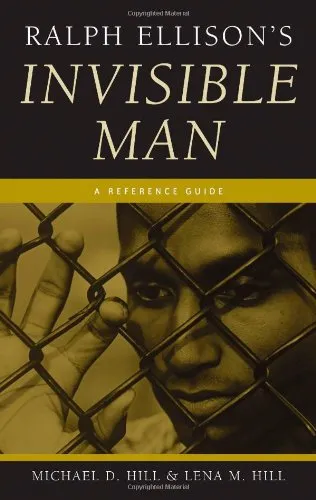
Ralph Ellison's Invisible Man: A Reference Guide (Greenwood Guides to Multicultural Literature)
Michael D. Hill,Lena M. Hill
2008
View book