Computational fluid dynamics in fire engineering: theory, modelling and practice
Guan Heng Yeoh,Kwok Kit Yuen
2008
View book
Book guide and evaluation
Heike Bauer
0 reviews
Published
pages
views
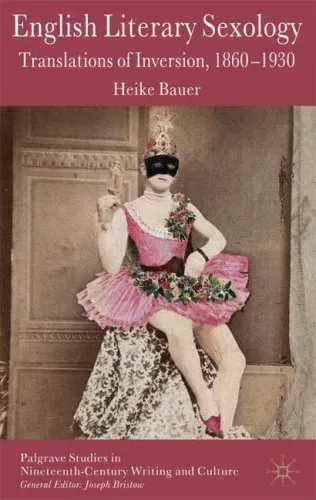
Welcome to the introduction of English Literary Sexology: Translations of Inversion, 1860-1930, a groundbreaking exploration of the intersections between literature, culture, and the emergent study of sexual inversion in the late nineteenth and early twentieth centuries. In
Before you read
Welcome to the introduction of English Literary Sexology: Translations of Inversion, 1860-1930, a groundbreaking exploration of the intersections between literature, culture, and the emergent study of sexual inversion in the late nineteenth and early twentieth centuries. In this book, Heike Bauer delves deeply into the cultural history of sexual science, focusing particularly on how ideas about sexual inversion were translated and understood through English literary texts.
Drawing from a rich archive of literary, scientific, and public discourse, English Literary Sexology sheds light on how notions of sexuality were constructed amid significant societal shifts, including the rise of sexology as a formal discipline. The book not only charts the transnational movement of ideas about inversion—a concept tied closely to homosexuality—but also examines how literature shaped and was shaped by emerging concepts of identity, desire, and sexual health. The narrative is insightful, critical, and highly relevant to scholars of gender studies, queer theory, literature, and cultural history.
At its core, English Literary Sexology: Translations of Inversion, 1860-1930 investigates the process by which ideas about sexual inversion were conceptualized, translated, and disseminated. Bauer argues that literature was not simply reflecting scientific or societal views on sexuality but actively shaping them. By examining works by prominent literary figures such as Oscar Wilde and Radclyffe Hall alongside early sexologists like Havelock Ellis, Bauer demonstrates the intricate interplay between literary creativity and scientific discourse.
The term "inversion," introduced by early sexologists, became a key way to describe non-normative sexual behaviors and identities. The book traces how this concept moved across borders, gaining traction in English-speaking contexts and becoming a part of broader discussions around morality, deviance, and personal freedom. Bauer highlights how literary texts served as both illustrations of and contestations against the medicalized and often pathologizing views of inversion.
Furthermore, Bauer addresses the importance of translation—not merely in linguistic terms but also in cultural ones. By analyzing how scientific ideas about inversion were "translated" into poetry, fiction, and social commentary, she reveals the ways such translations simultaneously solidified and disrupted existing norms. The book thus illustrates a fascinating cultural phenomenon: the mutual influence of sexual science and English literature during a critical period in history.
"Literature, far from being a passive reflector of scientific knowledge, actively engaged with, transformed, and contested the ideas that shaped the modern field of sexology."
"The transnational movement of the concept of sexual inversion illustrates not only the interconnectedness of European intellectual traditions but also the vital role of cultural translation in shaping public understandings of sexuality."
"By analyzing literary texts alongside medical treatises, we can uncover the nuanced ways in which inversion came to be both defined and defied."
Heike Bauer’s English Literary Sexology is an essential read for academics and general readers interested in the history of sexuality, literary studies, and queer theory. Its innovative approach bridges the world of literary creativity and scientific inquiry, offering a nuanced perspective on the formation of modern sexual identities. The book transcends traditional disciplinary boundaries, providing insights into the cultural forces that shaped—and were shaped by—sexual science.
Moreover, this work is vital in understanding how historical narratives of sexuality influence contemporary discussions on gender, identity, and rights. Bauer’s meticulous research encourages readers to think critically about the legacy of scientific terms like "inversion" and their continued impact on LGBTQ+ representation and understanding. As societal attitudes toward sexuality evolve, books like this remind us of the importance of tracing the origins of our concepts and engaging with the texts that helped define them.
Your question is answered in the context of this title and author. Each answer uses 2 points.
0 reviews, 4.5 average out of 5
Sign in to publish a review.
Ask a focused question and learn from the community.
Related references that continue this learning path.
Guan Heng Yeoh,Kwok Kit Yuen

Edited by Peter JacksonandLaurence Lockhart