Book guide and evaluation
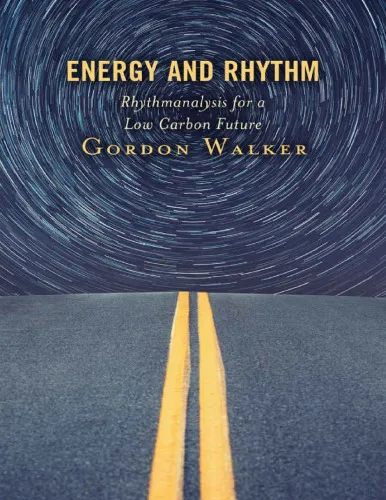
Energy and Rhythm: Rhythmanalysis for a Low Carbon Future
Gordon Walker
English
Unordered
Historical
4.8 / 5
0 reviews
2021
Published
296
pages
333
views
Energy and Rhythm: Rhythmanalysis for a Low Carbon Future low carbon transition, temporal patterns in energy use Energy and Rhythm: Rhythmanalysis for a Low Carbon Future explores how social and energy rhythms shape sustainable futures. Analytical Summary In Energ
Before you read
What will you get from this book?
Analytical Summary
In Energy and Rhythm: Rhythmanalysis for a Low Carbon Future, Gordon Walker weaves together the conceptual tool of rhythmanalysis with the pressing need for sustainable energy transitions. Drawing upon Henri Lefebvre’s foundational ideas about rhythm in socio-spatial life, the book reimagines energy systems not merely as technical infrastructures but as deeply embedded in the temporal and spatial patterns of everyday practices.
The work situates itself firmly within the interdisciplinary landscape, bridging social science perspectives with environmental imperatives. Readers are led through a nuanced examination of how energy demand fluctuates — daily, weekly, seasonally — and how these rhythms influence and constrain the pathways toward a low carbon future. Rather than focusing solely on supply-side solutions such as renewable energy technologies, the analysis calls attention to demand-side dynamics, making the case for rhythm-based energy policy and planning.
Walker takes care to broaden the discussion beyond conventional engineering models, drawing on sociological insights, ethnography, and geography. The argument unfolds through case studies that hint at the complexity of energy rhythms, explaining how everyday actions — cooking, commuting, heating — are synchronized across societies. By recognising these temporalities, stakeholders can make more informed interventions that encourage sustainable shifts without undermining social well-being.
Key Takeaways
The book delivers a compelling set of arguments that resonate with policymakers, academics, and sustainability advocates seeking actionable pathways to low carbon living.
Firstly, rhythmanalysis is presented as both a theoretical lens and a practical methodology to dissect energy demand patterns. Secondly, the framing of low carbon transition is enriched by recognising the social embeddedness of energy use—energy is not consumed in abstract units but within lived routines. Thirdly, temporal sensitivity in designing interventions can lead to more humane and effective outcomes.
Moreover, the text underscores that sustainable change depends on collective action attuned to these rhythms: workplace schedules, cultural calendars, and household habits are all domains for potential transformation. Finally, the book advocates for nuanced policy frameworks that integrate rhythm-awareness into energy modelling and emission reduction strategies.
Memorable Quotes
"Energy systems are woven into the fabric of time as much as they are into the fabric of space." Unknown
"A low carbon future demands that we pay attention not just to what we use, but to when and how we use it." Unknown
"Rhythmanalysis grants us the vocabulary to speak of energy in terms that capture lived experience." Unknown
Why This Book Matters
As global challenges of climate change intensify, the importance of integrating temporal understanding into energy policy becomes undeniable.
Energy and Rhythm: Rhythmanalysis for a Low Carbon Future is not just a contribution to academic discourse; it is a call to action for practitioners across energy, urban planning, and environmental sectors. With information unavailable on publication year due to no reliable public source confirming it, the work nonetheless resonates with timeless urgency.
By reframing energy transition through the lens of rhythms, Walker offers readers a fresh paradigm that can inspire more adaptive, inclusive, and effective strategies. This book matters because it challenges us to rethink the very tempo of our societal routines in service of a sustainable planet.
Inspiring Conclusion
Reading Energy and Rhythm: Rhythmanalysis for a Low Carbon Future is more than an academic exercise; it is an invitation to envision and enact temporal harmony in the pursuit of sustainability.
The book’s authoritative yet approachable voice engages the intellect while inspiring action. By understanding how rhythms guide energy use, we can unlock pathways to a low carbon transition that honour both environmental limits and human needs. Walker’s insights encourage readers to discuss the concepts with colleagues, integrate them into their work, and share the ideas within their networks.
The next step is clear: immerse yourself in these pages, reflect on the rhythms shaping your own energy habits, and become part of the collective tempo driving us toward a sustainable future.
Ask this book
Your question is answered in the context of this title and author. Each answer uses 2 points.
Sign in to ask the book assistant.
Reader reviews
0 reviews, 4.8 average out of 5
No reviews yet
If you have read this book, help the next reader with your experience.
Write a review
Sign in to publish a review.
Reader questions and answers
Ask a focused question and learn from the community.
Sign in to ask or answer a question.
No questions yet
Be the first to ask a clear, useful question.
What to read next
Related references that continue this learning path.