Book guide and evaluation
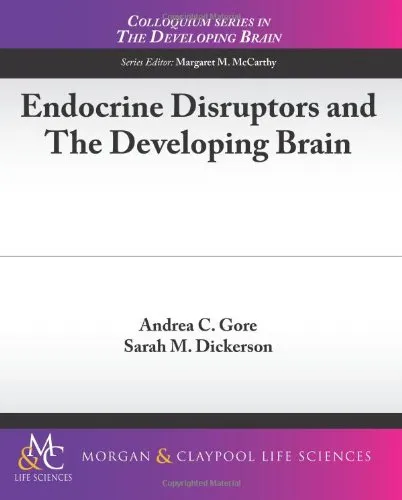
Endocrine disruptors and the developing brain
Andrea C Gore;Sarah M Dickerson
English
Beginner
Venture Capital
5.0 / 5
0 reviews
2012
Published
114
pages
424
views
In recent years, the impact of environmental pollutants on human health has become an area of urgent and active research. Among these pollutants are endocrine disruptors, chemicals that can interfere with hormone systems and result in significant physiological and development
Before you read
What will you get from this book?
In recent years, the impact of environmental pollutants on human health has become an area of urgent and active research. Among these pollutants are endocrine disruptors, chemicals that can interfere with hormone systems and result in significant physiological and developmental issues. Our book, 'Endocrine Disruptors and the Developing Brain', delves into the profound effects these substances have on the neurological development of the brain, particularly during the critical periods of growth.
Detailed Summary of the Book
The book is a comprehensive examination of how endocrine disruptors affect the developing brain, with a special focus on gestational and early postnatal periods. We explore a variety of endocrine-disrupting chemicals (EDCs), such as bisphenol A, phthalates, and certain pesticides, which are ubiquitously present in our environment. Our discussion begins with a foundational understanding of developmental endocrinology and neurobiology, setting the stage for a deeper understanding of the mechanisms by which these chemicals can alter brain development.
Through a review of both animal and human studies, we illustrate the potential pathways of exposure, the biochemical interactions within endocrine systems, and the subsequent impacts on neurodevelopmental processes. By integrating knowledge from toxicology, neuroscience, and endocrinology, the book highlights the breadth and depth of effects EDCs have on neural growth, synaptic plasticity, and even behavior. It also investigates the potential long-term consequences on cognitive functions such as learning, memory, and emotional regulation.
Finally, the book addresses the current regulations governing EDCs and argues for stronger policies to protect vulnerable populations, particularly pregnant women and children, from exposure. Detailed case studies provide real-world insights into how these disruptions manifest and affect public health.
Key Takeaways
- Endocrine disruptors can significantly alter the course of brain development, potentially leading to neurodevelopmental disorders.
- Both prenatal and early postnatal exposures are critical periods when EDC impact can be most profound.
- The interplay of EDCs with genetic susceptibility factors can exacerbate or modulate the outcomes of brain development disruption.
- There is a dire need for more robust regulatory frameworks to reduce exposure to harmful EDCs in everyday products.
Famous Quotes from the Book
"Understanding the silent, yet potent, effects of endocrine disruptors helps us unravel the complex puzzle of rising neurodevelopmental disorders in society."
"In protecting the developing brain, we safeguard both our future and our collective intellectual legacy."
Why This Book Matters
This book is a crucial resource for scientists, public health officials, educators, and policymakers. It bridges the gap between scientific research and policy formulation by providing in-depth, evidence-based insights into how EDCs affect the developing brain. As the prevalence of developmental disorders continues to rise, understanding environmental factors becomes increasingly important. By clarifying these links, we can advocate for better protection measures and regulatory policies, ultimately contributing to a healthier and more informed society.
Ask this book
Your question is answered in the context of this title and author. Each answer uses 2 points.
Sign in to ask the book assistant.
Reader reviews
0 reviews, 5.0 average out of 5
No reviews yet
If you have read this book, help the next reader with your experience.
Write a review
Sign in to publish a review.
Reader questions and answers
Ask a focused question and learn from the community.
Sign in to ask or answer a question.
No questions yet
Be the first to ask a clear, useful question.
What to read next
Related references that continue this learning path.