Integrating Usability Engineering for Designing the Web Experience: Methodologies and Principles
Tasos Spiliotopoulos,Tasos Spiliotopoulos,Panagiota Papadopoulou,Drakoulis Martakos,Georgios Kouroupetroglou
2010
View book
Book guide and evaluation
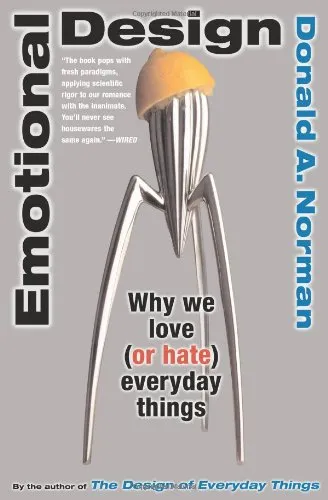
Donald A. Norman
0 reviews
Published
pages
views
Welcome to the intricate world of design where functionality, beauty, and emotion intertwine to shape our interactions with everyday objects. In "Emotional Design: Why We Love (Or Hate) Everyday Things," Donald A. Norman delves into why some products capture our hearts while
Before you read
Welcome to the intricate world of design where functionality, beauty, and emotion intertwine to shape our interactions with everyday objects. In "Emotional Design: Why We Love (Or Hate) Everyday Things," Donald A. Norman delves into why some products capture our hearts while others leave us indifferent. This introduction seeks to offer a comprehensive guide to understanding the central themes of the book, including a detailed summary, key takeaways, famous quotes, and why this work is significant in the field of design.
In "Emotional Design," Norman introduces the concept that our emotional responses to objects play a pivotal role in how we perceive their functionality and design. He asserts that the aesthetic appeal of objects goes beyond mere appearance; it's deeply rooted in the human experience. Norman categorizes the impact of design into three levels: visceral, behavioral, and reflective. The visceral level deals with the immediate impression an object makes on our senses, while the behavioral aspect concerns the pleasure and effectiveness experienced during use. The reflective level encompasses the rationalization and emotional attachment we form, influenced by culture and personal experiences.
Through engaging narratives and insights, Norman emphasizes that attractive things work better because they tap into the positive emotions that facilitate problem-solving and creativity. Using examples from various industries, he illustrates how emotional design can lead to improved customer satisfaction, repeat use, and brand loyalty.
"Attractive things work better."
"Design is really an act of communication, which means having a deep understanding of the person with whom the designer is communicating."
"Emotional Design" stands as a seminal work in the field of interaction design and user experience. Norman challenges the traditional notions that prioritize only the functionality and usability of products, urging designers and businesses alike to consider the emotional impact their products have on users. This paradigm shift towards embracing emotional design has not only influenced the creation of more user-centric products but has also led to deeper discussions about the role of emotion in human-computer interactions.
In today's highly competitive market, where the user experience can be a deciding factor in the success of a product, understanding and implementing concepts from "Emotional Design" can lead to more innovative, memorable, and successful products. As technology continues to evolve, Norman's insights remain relevant, guiding the path for designers to create products that are not only functional but also resonate emotionally with users.
Your question is answered in the context of this title and author. Each answer uses 2 points.
0 reviews, 4.5 average out of 5
Sign in to publish a review.
Ask a focused question and learn from the community.
Related references that continue this learning path.
Tasos Spiliotopoulos,Tasos Spiliotopoulos,Panagiota Papadopoulou,Drakoulis Martakos,Georgios Kouroupetroglou