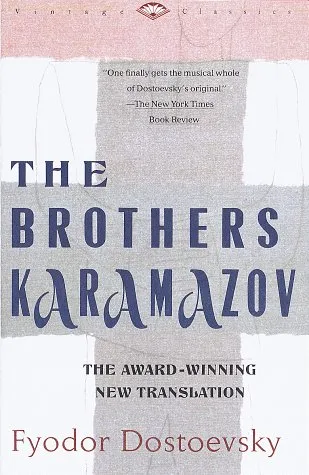
The Brothers Karamazov (Vintage Classics) (Everyman's Library, #70)
Fyodor Dostoyevsky, Richard Pevear, Larissa Volokhonsky;Malcolm V. Jones
1992
View book
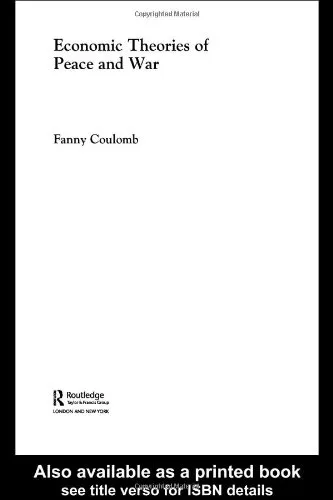
Book guide and evaluation
Fanny Coulomb
0 reviews
Published
pages
views
Welcome to the compelling exploration of the intersection between economics and international relations in "Economic Theories of Peace and War." This book delves deep into how economic frameworks shape the dynamics of peace and conflict across the globe. The objective is to p
Before you read
Welcome to the compelling exploration of the intersection between economics and international relations in "Economic Theories of Peace and War." This book delves deep into how economic frameworks shape the dynamics of peace and conflict across the globe. The objective is to provide readers with not only a theoretical understanding but also practical insights into these critical issues.
The book "Economic Theories of Peace and War" embarks on a comprehensive journey through the historical and contemporary perspectives of economic theories as they pertain to global peace and conflict. It begins by setting the stage with classical economic theories that sought to explain war economies and the financial implications of peace. The narrative then transitions into different schools of thought, exploring how these economic views have evolved in response to global political changes and technological advancements.
The author meticulously examines seminal economic theories, highlighting key proponents and critics in each chapter. With a focus on the role of government policies, international trade, and global markets, the book clarifies how these factors can act as both catalysts and deterrents in the context of war and peace.
Moreover, the book features case studies and analyses of historical conflicts and peace treaties, allowing readers to understand the real-world application of these theories. This empirical approach offers insights into the efficacy of economic sanctions, military spending, and international aid in achieving peace or prolonged conflict.
"Economics not only predicts war; it prepares for peace."
"The true cost of war is paid not on the battlefield, but in the disrupted economies and shattered lives of its aftermath."
"Economic Theories of Peace and War" stands out in the field of international relations and economics because it offers a distinctive blend of theory and practice. It addresses a pressing need for policy-makers, scholars, and students alike to understand the economic underpinnings of global peace and conflict.
In an era where economic policies often shape foreign affairs more than military prowess, this book offers invaluable insights into how economic strategies can be utilized to promote sustainable global peace. The thorough research and empirical data presented make this work an essential read for anyone looking to grasp the complex yet vital relationship between economics and geopolitical stability.
Moreover, the book's accessible language and structured analysis make it an ideal resource for both academics and practitioners interested in cultivating a nuanced understanding of the role economics play in war and peace.
Your question is answered in the context of this title and author. Each answer uses 2 points.
0 reviews, 4.0 average out of 5
Sign in to publish a review.
Ask a focused question and learn from the community.
Related references that continue this learning path.
Fyodor Dostoyevsky, Richard Pevear, Larissa Volokhonsky;Malcolm V. Jones


Leo Tolstoy,Richard Pevear,Larissa Volokhonsky,John Bayley