

Book guide and evaluation
Dr. Jekyll and Mr. Hyde
Swan
English
Intermediate
novel
4.3 / 5
0 reviews
2001
Published
32
pages
576
views
Introduction to "Dr. Jekyll and Mr. Hyde" "Dr. Jekyll and Mr. Hyde," written by Robert Louis Stevenson, is a classic narrative exploring the duality of human nature and the complex interplay between good and evil within the same person. Published in 1886, the novel
Before you read
What will you get from this book?
Introduction to "Dr. Jekyll and Mr. Hyde"
"Dr. Jekyll and Mr. Hyde," written by Robert Louis Stevenson, is a classic narrative exploring the duality of human nature and the complex interplay between good and evil within the same person. Published in 1886, the novella has captivated readers for over a century, offering profound reflections on identity, morality, and the underlying darkness lurking within the human psyche. This book remains a cornerstone of gothic literature, raising questions about the nature of humanity that are as relevant today as they were back then.
Detailed Summary
The story unfolds in Victorian London, focusing on the concerns of Gabriel John Utterson, a lawyer who investigates the strange occurrences surrounding his friend, Dr. Henry Jekyll. Jekyll, a respected scientist, has a peculiar connection with a sinister figure named Mr. Edward Hyde. The book opens with a disturbing incident where Hyde tramples a young girl, sparking Utterson's curiosity and concern. As the narrative progresses, Utterson discovers a will where Jekyll bequeaths everything to Hyde should he disappear.
Despite Jekyll's assurance that all is well, Utterson remains suspicious. The situation escalates when Sir Danvers Carew, a parliament member, is brutally murdered. Witnesses confirm Hyde's involvement, intensifying the mystery. Utterson confronts Jekyll, who seems increasingly distressed and reclusive. The tension builds towards a dramatic revelation where Utterson learns that Dr. Jekyll and Mr. Hyde are the same person, representing the dual sides of Jekyll's nature. He has used a potion to transform into Hyde, allowing his darker impulses to manifest without repercussion. However, the transformations spiral out of control, leading to tragic consequences.
Key Takeaways
- The duality of human nature is central to the narrative, illustrating the battle between good and evil that exists within every individual.
- The novella suggests that suppressing one's darker impulses rather than acknowledging and integrating them can lead to self-destruction.
- It questions the notion of identity and whether external appearances truly reflect inner realities.
- Through the character of Dr. Jekyll, the book explores the unintended consequences of scientific experimentation and the ethical boundaries of human curiosity.
Famous Quotes from the Book
"I am painfully situated, Utterson; my position is very strange — a very strange one. It is one of those affairs that cannot be mended by talking."
"If he be Mr. Hyde, I shall be Mr. Seek."
Why This Book Matters
"Dr. Jekyll and Mr. Hyde" continues to be a timeless exploration of the complexities of human nature. Its themes resonate strongly in today's world where the boundaries of identity, morality, and ethical behavior are constantly examined. The novella's psychological insights shed light on the potential for darkness within everyone, underscoring the importance of self-awareness and integrity. Additionally, the book's influence extends beyond literature, impacting popular culture, film, and psychology, making it a significant cultural artifact that encourages deep reflection and discussion.
Ask this book
Your question is answered in the context of this title and author. Each answer uses 2 points.
Sign in to ask the book assistant.
Reader reviews
0 reviews, 4.3 average out of 5
No reviews yet
If you have read this book, help the next reader with your experience.
Write a review
Sign in to publish a review.
Reader questions and answers
Ask a focused question and learn from the community.
Sign in to ask or answer a question.
No questions yet
Be the first to ask a clear, useful question.
What to read next
Related references that continue this learning path.
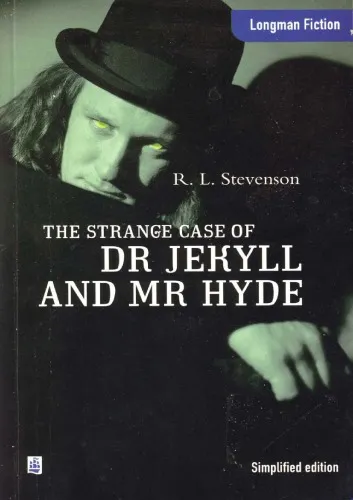
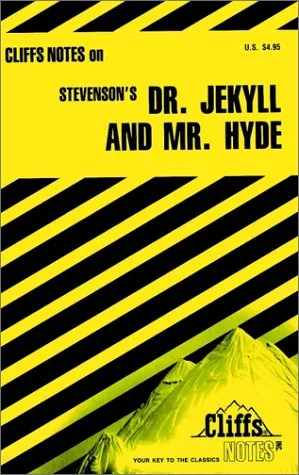
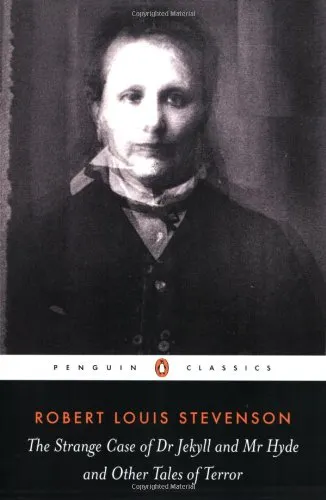
The Strange Case of Dr. Jekyll and Mr. Hyde: And Other Tales of Terror (Penguin Classics)
Robert Louis Stevenson
2003
View book