Book guide and evaluation
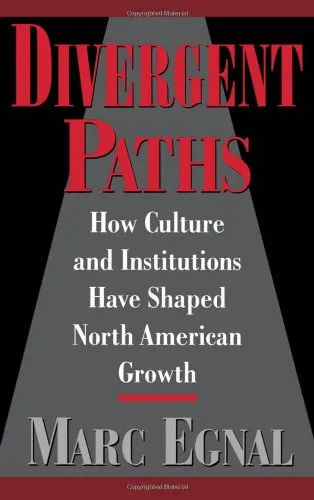
Divergent Paths: How Culture and Institutions Have Shaped North American Growth
Marc Egnal
English
Intermediate
novel
4.0 / 5
0 reviews
1996
Published
317
pages
507
views
Welcome to an exploration of how culture and institutions have played pivotal roles in shaping North America's economic landscape. "Divergent Paths: How Culture and Institutions Have Shaped North American Growth" offers a comprehensive journey into the forces that have influe
Before you read
What will you get from this book?
Welcome to an exploration of how culture and institutions have played pivotal roles in shaping North America's economic landscape. "Divergent Paths: How Culture and Institutions Have Shaped North American Growth" offers a comprehensive journey into the forces that have influenced the growth trajectories of nations on this continent. In this book, we delve into the dynamics that differentiate economic development patterns, emphasizing the diverse cultural and institutional frameworks that have led to divergent outcomes.
Detailed Summary of the Book
At the heart of "Divergent Paths" is the assertion that North America's economic history cannot solely be understood through the lens of resource endowment or geographic factors. Instead, this work posits that the more nuanced drivers of economic growth are cultural mindsets and institutional configurations that different territories have adopted over time.
Throughout the book, a thorough analysis is presented, chronicling the economic evolution of key regions in North America. This journey begins with a historical overview, demonstrating how colonial legacies have left a lasting imprint on present-day economic structures. The book then explores the influence of cultural attitudes toward work, innovation, and risk-taking, illustrating how these traits differ between the United States, Canada, and Mexico and their impact on economic performance.
The midsection of the book delves into institutional analysis, spotlighting the role of government policies, legal systems, and educational frameworks. It clarifies how institutions either hinder or spur economic progress and how they interact with cultural traits to produce varied economic landscapes. Lastly, the book examines contemporary issues like globalization and technological change, offering insights into their implications for continuing divergent economic paths.
Key Takeaways
- The interplay between culture and institutions is fundamental in determining economic outcomes. By understanding these dynamics, we can gain deeper insights into both historical and contemporary growth patterns.
- Cultural attitudes towards economic activities can significantly influence a region's openness to change and innovation.
- Institutions act as either enablers or barriers to economic progress, depending on how they evolve in response to changing cultural and global contexts.
- A historical perspective is crucial for appreciating how past choices shape current economic conditions and future possibilities.
Famous Quotes from the Book
"Economic growth is not merely about accumulating resources or capital; it's about the creative synthesis of culture and institutions driving sustained development."
"The cultural tapestry of North America is rich and diverse, offering a multitude of avenues for economic exploration and exploitation if harnessed effectively."
Why This Book Matters
"Divergent Paths" is an essential read for scholars, policymakers, and anyone interested in understanding the intricate forces shaping economic development across North America. It challenges conventional wisdom and provides a fresh perspective on how culture and institutions intertwine to influence economic destinies. By broadening the discourse around economic growth, this book encourages more holistic and informed policymaking that acknowledges and leverages the unique cultural and institutional contexts of different regions.
Furthermore, in an era characterized by rapid technological advancement and globalization, understanding these underlying dynamics is more crucial than ever. "Divergent Paths" offers the analytical tools and historical insights necessary to navigate the economic challenges and opportunities of the present and future.
Ask this book
Your question is answered in the context of this title and author. Each answer uses 2 points.
Sign in to ask the book assistant.
Reader reviews
0 reviews, 4.0 average out of 5
No reviews yet
If you have read this book, help the next reader with your experience.
Write a review
Sign in to publish a review.
Reader questions and answers
Ask a focused question and learn from the community.
Sign in to ask or answer a question.
No questions yet
Be the first to ask a clear, useful question.
What to read next
Related references that continue this learning path.