Loading
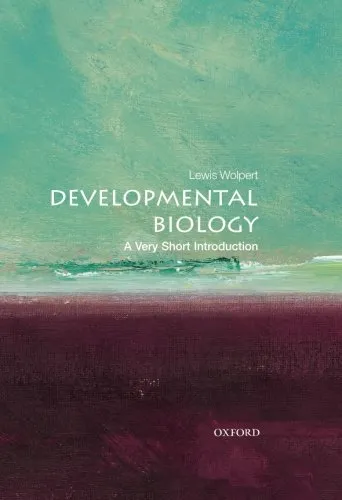
Cover of Developmental biology : a very short introduction
English Beginner Medical

Developmental biology : a very short introduction

Wolpert,Lewis

Lewis

4.2 / 5

0 reviews

2011

Published

132

pages

323

views

From a single cell--a fertilized egg--comes an elephant, a fly, or a human. How does this astonishing feat happen? How does the egg "know" what to become? How does it divide into the different cells, the separate tissues, the brain, the fingernail--every tiniest detail of the gro

About this book

From a single cell--a fertilized egg--comes an elephant, a fly, or a human. How does this astonishing feat happen? How does the egg "know" what to become? How does it divide into the different cells, the separate tissues, the brain, the fingernail--every tiniest detail of the growing fetus? In this Very Short Introduction, renowned scientist Lewis Wolpert shows how the field of developmental biology seeks to answer these profound questions. A distinguished developmental biologist himself, Wolpert offers a concise and highly readable account of what we now know about development, discussing the first vital steps of growth, the patterning created by Hox genes and the development of form, embryonic stem cells, the timing of gene expression and its management, chemical signaling, and growth. Drawing on scientific breakthroughs in genetics, evolution, and molecular biology, he illuminates processes that are deeply rooted in evolutionary history, revealing how information is held in genes whose vital timing in switching on and off is orchestrated by a host of proteins expressed by other genes.

Ask this book

Your question is answered in the context of this title and author. Each answer uses 2 points.

Sign in to ask the book assistant.

Reader reviews

0 reviews · 4.2 average out of 5

No reviews yet

If you have read this book, help the next reader with your experience.

Write a review

Sign in to publish a review.

Reader questions and answers

Ask a focused question and learn from the community.

Sign in to ask or answer a question.

No questions yet

Be the first to ask a clear, useful question.

Related references that continue this learning path.