Book guide and evaluation
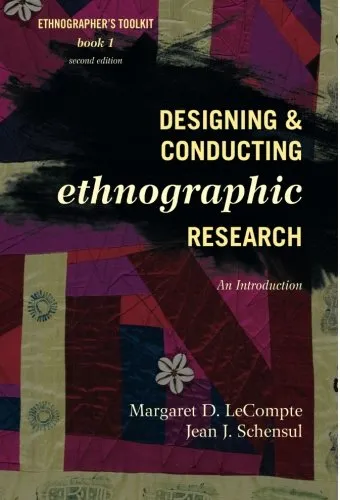
Designing & conducting ethnographic research : an introduction
Margaret D. LeCompte University of Colorado Boulder,Jean J. Schensul Institute for Community Research
English
Beginner
User Research
4.5 / 5
0 reviews
2010
Published
281
pages
488
views
Introduction Welcome to the comprehensive and insightful world of ethnographic research, where 'Designing & Conducting Ethnographic Research: An Introduction' serves as both a beacon and a map for those venturing into the realms of cultural exploration and qualitative inquiry.
Before you read
What will you get from this book?
Introduction
Welcome to the comprehensive and insightful world of ethnographic research, where 'Designing & Conducting Ethnographic Research: An Introduction' serves as both a beacon and a map for those venturing into the realms of cultural exploration and qualitative inquiry. Authored by Margaret D. LeCompte and Jean J. Schensul, this book provides an indispensable guide for social scientists, researchers, and students committed to understanding the intricacies of human societies through an ethnographic lens.
Summary of the Book
In 'Designing & Conducting Ethnographic Research', LeCompte and Schensul delve into the nuances of ethnography as a robust framework for conducting qualitative research. The book is structured to guide the reader through the essentials of designing and implementing ethnographic studies. Beginning with foundational theory, it gradually transitions into practical application, covering everything from formulating research questions to selecting appropriate methods and techniques for data collection.
The authors emphasize the critical skill of observation, detailing how to immerse oneself in a cultural context to gather authentic insights. They guide readers in crafting research designs that are adaptable and relevant, taking into account the complexities of field environments. The text also includes discussions on ethical considerations, data analysis methodologies, and strategies for ensuring validity and reliability in ethnographic research.
One of the key strengths of this book is its reliance on real-world examples and case studies, which breathe life into theoretical concepts and methodologies. Thus, readers are not only introduced to the core principles of ethnography but are also shown how these principles manifest in practice across different research settings and cultures.
Key Takeaways
- Understanding Ethnography: Gain a comprehensive understanding of ethnography as a qualitative research methodology that seeks to explore cultural phenomena from an insider's perspective.
- Research Design: Learn how to formulate effective research questions and construct robust research designs that are responsive to changing field contexts.
- Data Collection Skills: Develop observation and interviewing skills crucial for collecting rich, detailed data in a naturalistic setting.
- Ethical Engagement: Navigate the ethical challenges inherent in fieldwork, with guidance on informed consent and respectful engagement with research participants.
- Data Analysis Techniques: Acquire strategies for interpreting complex data and communicating findings in a manner that accurately represents the subject community.
Famous Quotes from the Book
“Ethnography is not merely about observing culture; it’s about understanding the intricate web of relationships and meanings that define human experience.”
“To conduct effective ethnographic research, one must not only be a careful observer but also an empathetic listener and an ethical participant.”
Why This Book Matters
'Designing & Conducting Ethnographic Research' stands out as a vital resource for anyone interested in the field of qualitative research. In an increasingly interconnected world, understanding the cultural dimensions of human communities is crucial for addressing global challenges that range from social inequality to cultural misunderstandings. The authors bring decades of experience to the table, offering insights that are both academically rigorous and practically applicable.
Moreover, the book's emphasis on the ethical dimensions of research underscores its relevance in contemporary academic and applied research. By fostering a deeper understanding of ethnographic methods, this book empowers researchers to produce work that not only informs but also enriches the communities they study. As such, it is a critical addition to any social scientist's library, offering guidance that will resonate for years to come.
Embark on a journey through the landscapes of human experience with LeCompte and Schensul's comprehensive guide. Whether you're a novice researcher or an experienced practitioner, this text offers valuable insights that equip you to engage more thoughtfully and effectively with the world's diverse cultures.
Ask this book
Your question is answered in the context of this title and author. Each answer uses 2 points.
Sign in to ask the book assistant.
Reader reviews
0 reviews, 4.5 average out of 5
No reviews yet
If you have read this book, help the next reader with your experience.
Write a review
Sign in to publish a review.
Reader questions and answers
Ask a focused question and learn from the community.
Sign in to ask or answer a question.
No questions yet
Be the first to ask a clear, useful question.
What to read next
Related references that continue this learning path.
Comprehending Drug Use: Ethnographic Research at the Social Margins
J. Bryan Page,Merrill Singer
2010
View book