Securing Japan: Tokyo's Grand Strategy and the Future of East Asia
Richard J. Samuels
2007
View book
Book guide and evaluation
Sumit Ganguly
0 reviews
Published
pages
views
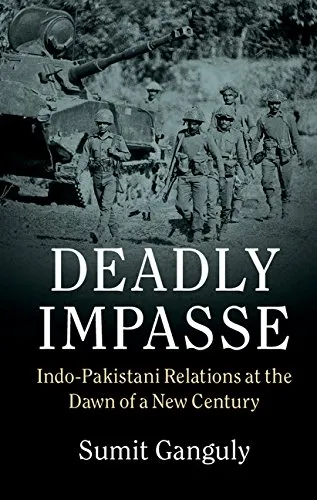
Deadly Impasse: Indo-Pakistani Relations at the Dawn of a New Century "Deadly Impasse: Indo-Pakistani Relations at the Dawn of a New Century" is a meticulously researched analysis of one of the most fraught and enduring conflicts in modern international relations. Written
Before you read
"Deadly Impasse: Indo-Pakistani Relations at the Dawn of a New Century" is a meticulously researched analysis of one of the most fraught and enduring conflicts in modern international relations. Written by Sumit Ganguly, a renowned scholar of South Asian politics, this book delves into the deeply rooted tensions between India and Pakistan, traces the trajectory of their volatile relationship, and examines the policies and strategies that have shaped their interactions since the dawn of the 21st century.
In this book, I attempt to dissect the historical, ideological, and geopolitical factors that have perpetuated hostilities between the two nuclear powers. I discuss how contentious issues like the Kashmir conflict, the rise of terrorism, and divergent national ideologies have trapped both nations in a seemingly unending cycle of hostility and mistrust. With an eye toward the broader implications for regional stability and global security, "Deadly Impasse" critically evaluates the possibilities for peace, cooperation, and the obstacles both countries face in overcoming the burdens of history.
The book begins by providing a comprehensive historical background to Indo-Pakistani relations, highlighting the partition of British India in 1947 as the pivotal event that gave rise to the enduring rivalry between the two nations. It explores how the creation of Pakistan as a homeland for Muslims and the secular and democratic ideals of India set the two states on vastly different ideological paths. This soon culminated in disputes over territorial claims, most notably in Kashmir, which remains the epicenter of conflict even today.
Moving beyond history, I focus on the post-Kargil era, charting events such as the 2001 Indian Parliament attack, the 2008 Mumbai attacks, and more recent skirmishes along the Line of Control (LoC). I evaluate the policies of key political figures in both countries, including Atal Bihari Vajpayee, Pervez Musharraf, Narendra Modi, and Imran Khan, and assess how their leadership styles have influenced attempts at dialogue and conflict escalation.
A significant portion of the book examines how global and regional dynamics, such as the U.S. role in South Asia, China's growing influence, and the war on terror, have added complexity to Indo-Pakistani relations. I argue that while both India and Pakistan share responsibility for the impasse, specific institutional dynamics—such as Pakistan’s military dominance and India’s rising nationalist sentiment—have exacerbated tensions.
“The partition of 1947 did not merely divide territory; it shattered the shared cultural and social fabric of South Asia, creating an irreconcilable divide that continues to haunt the subcontinent.”
“For true peace to emerge, the leadership in both countries must abandon the politics of blame and embrace the politics of compromise.”
“History is not destiny; nations can choose to break away from the shackles of the past. But that requires courage and vision—a rarity in both New Delhi and Islamabad.”
"Deadly Impasse" stands out as a crucial contribution to our understanding of South Asian geopolitics and the intricate web of factors that sustain one of the world's most dangerous bilateral rivalries. By combining historical depth, theoretical insights, and policy recommendations, it offers a balanced yet critical perspective on both Indian and Pakistani strategies.
This book is particularly relevant for policymakers, scholars, and students of international relations who seek an in-depth understanding of the Indo-Pakistani conflict. Furthermore, it provides the general reader with a clear and engaging narrative of how two nations, born from the same colonial heritage, have become each other's greatest adversaries.
At a time when nuclear tensions and cross-border violence continue to threaten South Asia, "Deadly Impasse" serves as a timely reminder of the need for diplomatic engagement, rational policymaking, and the pursuit of long-term peace for the benefit of over a billion people in the region.
Your question is answered in the context of this title and author. Each answer uses 2 points.
0 reviews, 4.5 average out of 5
Sign in to publish a review.
Ask a focused question and learn from the community.
Related references that continue this learning path.
Richard J. Samuels
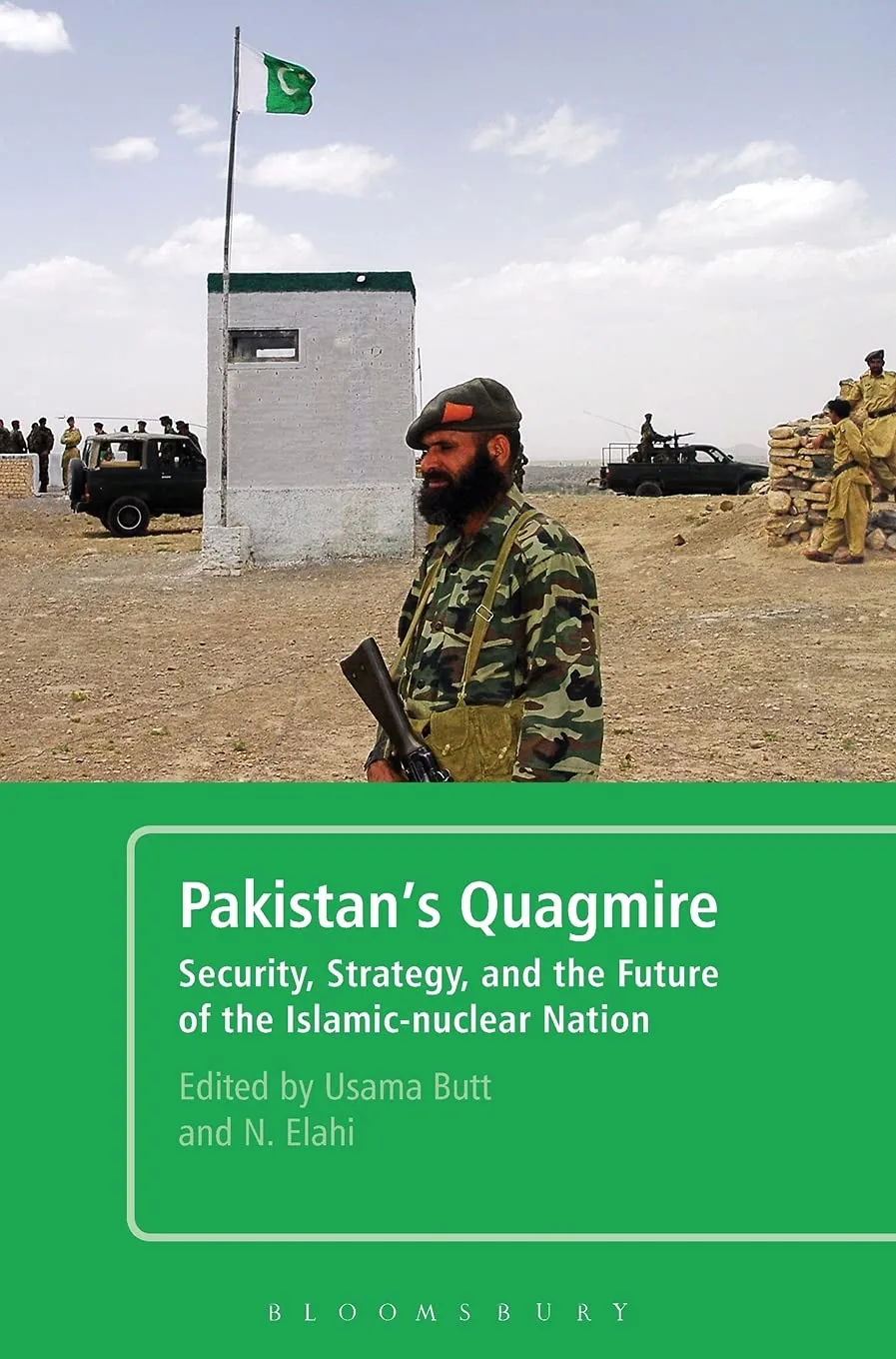
Usama Butt (editor),N. Elahi (editor)