Book guide and evaluation
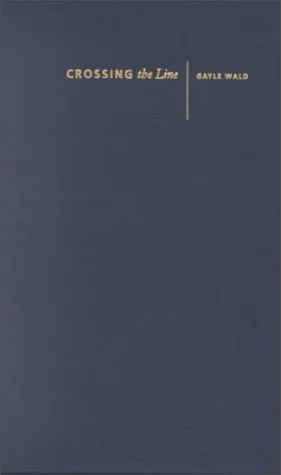
Crossing the Line: Racial Passing in Twentieth-Century U.S. Literature and Culture
Gayle Wald,Donald E. Pease
English
Intermediate
novel
4.3 / 5
0 reviews
2000
Published
267
pages
520
views
Introduction "Crossing the Line: Racial Passing in Twentieth-Century U.S. Literature and Culture" by Gayle Wald explores the complexities and nuances of racial identity and the phenomenon of racial passing within the context of American literature and culture. The book del
Before you read
What will you get from this book?
Introduction
"Crossing the Line: Racial Passing in Twentieth-Century U.S. Literature and Culture" by Gayle Wald explores the complexities and nuances of racial identity and the phenomenon of racial passing within the context of American literature and culture. The book delves into the historical, cultural, and literary interpretations of individuals who crossed societal boundaries of race, questioning the constructs of race and identity through an in-depth examination of relevant texts and cultural narratives.
Detailed Summary of the Book
The concept of racial passing is fraught with tension and intrigue, as it involves individuals of one racial identity being accepted, either deliberately or inadvertently, as another. In "Crossing the Line," Wald provides a comprehensive analysis of how this phenomenon is depicted in 20th-century literature and culture. By examining novels, films, and other cultural artifacts, the book highlights how racial passing served as both an act of resistance and a reflection of the oppressive racial categorizations in American society.
Spanning from the Harlem Renaissance to late 20th-century contemporary narratives, Wald investigates seminal works and the cultural shifts they reveal. The book scrutinizes how authors like Nella Larsen and James Weldon Johnson crafted stories that encapsulate the perils and ambiguities of racial passing. Furthermore, Wald contextualizes these stories within historical events and ideologies, providing a backdrop that enhances the understanding of the societal pressures influencing these personal and collective narratives.
Key Takeaways
- Racial passing is a powerful tool for critiquing racial classifications and the limitations they impose on identity formation.
- Literature serves as a significant repository for exploring the tensions of race, identity, and assimilation within American culture.
- Storytelling, both in literature and film, provides insights into the personal struggles individuals face when confronting social hierarchies and cultural expectations.
- Historical contexts profoundly influence literary narratives and the portrayal of racial identity, highlighting the enduring impact of racial ideologies in the United States.
Famous Quotes from the Book
"The act of passing disrupts the imposed simplicity of racial binaries, revealing the complex tapestry of identity that defies easy classification."
"In the shadow of the color line, passing narratives illuminate society's hidden fears and desires surrounding racial purity and belonging."
Why This Book Matters
"Crossing the Line" offers crucial insights into the fabric of American cultural and literary history. At a time when discussions of race and identity remain at the forefront of societal discourse, Wald's exploration of racial passing provides a historical lens through which current debates can be understood and analyzed. The book underscores the persistent issues surrounding race in America and invites readers to consider how literature not only reflects these issues but also engages with them critically.
Moreover, Wald's examination challenges readers to rethink the boundaries of race and identity, encouraging a more nuanced understanding of what it means to navigate the complexities of identity in a society often dictated by clear-cut racial divisions. By engaging with the narratives of those who have navigated these boundaries, "Crossing the Line" advocates for a deeper recognition of the multifaceted nature of racial identity.
Audio introductions
Persian Summary
Ask this book
Your question is answered in the context of this title and author. Each answer uses 2 points.
Sign in to ask the book assistant.
Reader reviews
0 reviews, 4.3 average out of 5
No reviews yet
If you have read this book, help the next reader with your experience.
Write a review
Sign in to publish a review.
Reader questions and answers
Ask a focused question and learn from the community.
Sign in to ask or answer a question.
No questions yet
Be the first to ask a clear, useful question.
What to read next
Related references that continue this learning path.
The Vanishing Half--A Novel by Brit Bennett--Summary by Fireside Reads
Fireside Reads
2020
View book