Book guide and evaluation
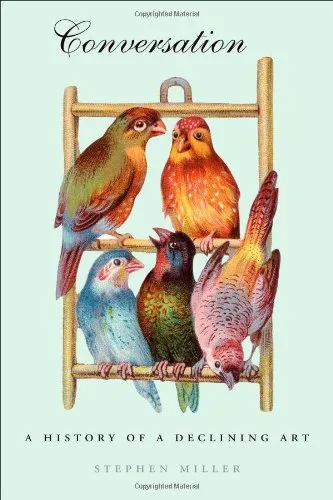
Conversation: A History of a Declining Art
Stephen Miller
English
Beginner
Art History
4.0 / 5
0 reviews
2006
Published
357
pages
533
views
Introduction Welcome to the exploration of 'Conversation: A History of a Declining Art', a compelling examination into the art and science of human interaction. This book invites readers to delve into the evolution, current state, and future prospects of conversation, serving
Before you read
What will you get from this book?
Introduction
Welcome to the exploration of 'Conversation: A History of a Declining Art', a compelling examination into the art and science of human interaction. This book invites readers to delve into the evolution, current state, and future prospects of conversation, serving as both a historical record and a guide for navigating the challenges facing dialogue in today's fast-paced world.
Detailed Summary of the Book
The art of conversation has been an integral part of human society since time immemorial. In 'Conversation: A History of a Declining Art', I dissect the rich tapestry of conversational history, tracing the roots of dialogue back to classical antiquity and charting its evolution through major cultural and technological shifts. The book underscores the decline in meaningful conversation due to various factors, including the advent of social media, the pace of modern life, and the erosion of public discourse. Each chapter is dedicated to a specific period or theme in conversational history, providing readers with deep insights into how the context of dialogue has transformed over time. I consider the impacts of technology, societal changes, and cultural shifts on how we communicate, offering a lens through which readers can examine their own conversational practices.
Key Takeaways
- Understanding the historical context of conversation can illuminate current communication challenges.
- The rise of technology and social media has profoundly changed the nature and quality of human interaction.
- Active listening and meaningful dialogue are crucial skills that need cultivation to restore the art of conversation.
- Cultural, social, and psychological barriers often inhibit effective communication in contemporary society.
- Promoting open and respectful dialogue can help bridge divides and foster greater understanding among people.
Famous Quotes from the Book
"To converse well is to understand the balance between speaking and listening, contributing and receiving."
"In a world where soundbites rule and deep engagement is rare, reclaiming the art of conversation is an act of rebellion."
"Conversation is not just a means of communication; it is an art form that reflects our humanity, our culture, and our sense of community."
Why This Book Matters
In an era where digital communication often takes precedence over face-to-face interaction, 'Conversation: A History of a Declining Art' serves as a critical reminder of the value of personal dialogue. The book is not just a recount of the past; it is a clarion call to preserve an essential component of civil society. As we navigate an increasingly polarized world, the ability to engage in thoughtful and nuanced discourse becomes ever more important. This book aims to inspire readers to not only appreciate the depth and breadth of conversation but to actively participate in its revival. By examining the roots and trajectories of conversational practices, 'Conversation: A History of a Declining Art' encourages us to reconnect with the simple yet profound act of talking and listening, fostering a more cohesive and understanding society.
Ask this book
Your question is answered in the context of this title and author. Each answer uses 2 points.
Sign in to ask the book assistant.
Reader reviews
0 reviews, 4.0 average out of 5
No reviews yet
If you have read this book, help the next reader with your experience.
Write a review
Sign in to publish a review.
Reader questions and answers
Ask a focused question and learn from the community.
Sign in to ask or answer a question.
No questions yet
Be the first to ask a clear, useful question.
What to read next
Related references that continue this learning path.