
Raul Suarez
2025/03/12
5 / 5
Excellent book for .Net developers
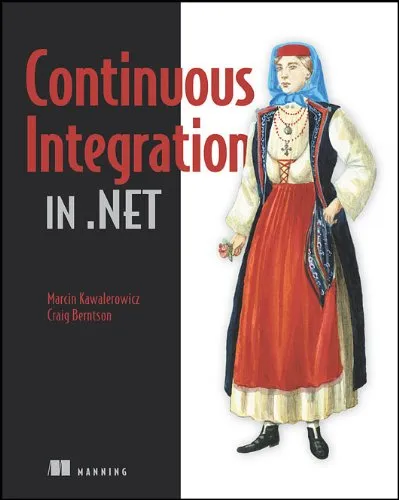
Book guide and evaluation
Marcin Kawalerowicz,Craig Berntson
1 reviews
Published
pages
views
Introduction to "Continuous Integration in .NET" "Continuous Integration in .NET" is an essential resource for software developers, team leads, and architects who are passionate about accelerating the delivery of high-quality .NET applications. Written by experienced autho
Before you read
"Continuous Integration in .NET" is an essential resource for software developers, team leads, and architects who are passionate about accelerating the delivery of high-quality .NET applications. Written by experienced authors Marcin Kawalerowicz and Craig Berntson, the book provides a comprehensive guide to implementing, optimizing, and mastering continuous integration (CI) practices specifically for the .NET ecosystem. Packed with real-world examples, actionable advice, and practical tools, this book is tailored to help organizations streamline their development pipelines and embrace a culture of automated and collaborative workflows.
The book begins with an introduction to the core principles of continuous integration and why it has become the cornerstone of modern software development practices. It emphasizes the importance of regular code integration, automated testing, and early feedback loops in reducing defects and delivering reliable software with confidence.
The authors guide readers through the essential tools and strategies required to set up an efficient CI pipeline. Starting with source control systems like Git and branching strategies, the book delves into build automation using tools such as MSBuild, TeamCity, CruiseControl.NET, and other popular CI servers. It also explores configuring build scripts, managing dependencies, and setting up notifications to enhance team collaboration.
Testing, a critical aspect of CI, gets substantial coverage in the book. Readers learn how to implement unit testing, integration testing, and UI testing effectively in their .NET projects using frameworks like NUnit, MSTest, and Selenium. The focus is on the significance of maintaining test suites that are fast, comprehensive, and reliable.
In addition to technical buzzwords, the book also addresses the human and organizational aspects of embracing CI. Topics such as fostering team accountability, handling regressions, and integrating CI workflows into agile methodologies are discussed with pragmatic insights.
By the end of this book, readers will have a clear roadmap to design and implement a robust CI system that eliminates manual errors and maximizes productivity, making it a must-have for any .NET development team.
"Continuous integration is not just a process; it is a philosophy that fosters confidence, agility, and discipline in software delivery."
"By automating builds, tests, and deployments, you free your team to focus on what truly matters—building great software."
"CI is a team endeavor. It's not about tools; it's about culture, collaboration, and relentless pursuit of improvement."
"Continuous Integration in .NET" stands out because it is tailored specifically to the .NET development community. Unlike generic CI guides, this book provides targeted strategies, tools, and examples that align with the unique challenges and opportunities of the .NET framework.
In today's fast-paced software development landscape, delivering updates quickly and reliably is non-negotiable. Continuous integration transforms the way teams collaborate, ensuring that development is not a bottleneck but a driver of innovation and quality. By reading this book, you'll not only master the technical aspects of CI but also learn how to embed it seamlessly into your team’s workflow and culture.
Whether you are adopting CI for the first time or want to fine-tune your existing workflows, this book equips you with the knowledge and confidence to succeed in delivering top-tier .NET applications consistently. It’s a pivotal resource for teams that aspire to build better software, faster.
Your question is answered in the context of this title and author. Each answer uses 2 points.
1 reviews, 5.0 average out of 5
2025/03/12
5 / 5
Excellent book for .Net developers
Sign in to publish a review.
Ask a focused question and learn from the community.
Related references that continue this learning path.
Shekhar Gulati,Rahul Sharma
Matt Wynne,Aslak Hellesoy