
Book guide and evaluation
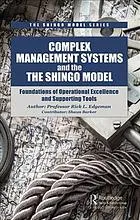
Complex management systems and the Shingo model: Foundations of operational excellence and supporting tools
Barker, Shaun;Edgeman, Rick L.;Shing
English
Beginner
Economics
4.8 / 5
0 reviews
2019
Published
291
pages
179
views
Introduction to "Complex Management Systems and the Shingo Model: Foundations of Operational Excellence and Supporting Tools" "Complex Management Systems and the Shingo Model: Foundations of Operational Excellence and Supporting Tools" serves as a comprehensive guide to un
Before you read
What will you get from this book?
Introduction to "Complex Management Systems and the Shingo Model: Foundations of Operational Excellence and Supporting Tools"
"Complex Management Systems and the Shingo Model: Foundations of Operational Excellence and Supporting Tools" serves as a comprehensive guide to understanding the intricacies of management systems in today's dynamic world. Authored by Barker, Shaun, Edgeman, Rick L., and Shing, the book delves into the intersection of operational excellence, strategic alignment, and continuous improvement—offering both practical applications and theoretical insights. By leveraging the Shingo Model's principles, the book acts as a singular resource for business leaders, practitioners, and learners seeking to streamline operations and sustain long-term results.
Central to the book's philosophy is the recognition that organizations do not operate in isolation. They are vibrant systems composed of people, processes, and values. These components must function harmoniously to ensure adaptability and excellence in a rapidly evolving global landscape. The Shingo Model, with its emphasis on aligning behaviors and principles with operational strategy, provides the necessary framework for achieving balance within complex management systems. What sets this work apart is its ability to bridge theoretical frameworks with actionable insights, making it indispensable for those leading transformational efforts in their organizations.
Detailed Summary of the Book
The book is structured to provide readers with a foundation in both the theoretical underpinnings and practical implementations of complex management systems. It opens by examining the challenges faced by organizations attempting to navigate complexity in business ecosystems. Through the Shingo Model, the authors demonstrate how organizations can rise beyond reactive decision-making and aim for systemic alignment based on enduring principles such as respect, humility, and cultural integrity.
Subsequent chapters explore the various dimensions of operational excellence, from leadership and strategy deployment to robust process design. The authors emphasize the significance of understanding root causes and measuring impact rather than merely addressing symptoms. They introduce tools and techniques to help organizations cultivate a culture of continuous improvement while fostering employee engagement at every level.
A standout aspect of the book is its case studies and real-world examples. These narratives highlight organizations across industries and spotlight the role of the Shingo philosophy in their transformation journeys. The authors expertly balance the depth and breadth of their exploration, ensuring readers understand both the big picture and nuanced details of creating and sustaining complex management systems.
Key Takeaways
-
Organizations function as complex systems requiring alignment between principles, behaviors, and operational strategies to achieve true excellence.
-
The Shingo Model offers a unique framework for embedding operational excellence into both daily management and long-term strategies.
-
Leadership commitment and a culture of respect are critical drivers in fostering sustainable improvement and innovation.
-
Practical tools and techniques allow organizations to measure performance, sustain change, and engage employees effectively.
-
Root cause analysis and systemic improvement hold the key to addressing inefficiencies rather than merely treating symptoms.
Famous Quotes from the Book
"Operational excellence is not a destination, but a journey of continuous inquiry, learning, and improvement."
"Respect, humility, and a genuine curiosity for learning form the foundation of any successful transformation."
"To understand the whole, we must first master its parts while never losing sight of their interplay."
Why This Book Matters
As organizations contend with ever-increasing demands, disruptive innovations, and complex ecosystems, the need for robust management systems has never been greater. "Complex Management Systems and the Shingo Model" equips leaders with the principles and tools required to thrive in such an environment. Unlike many management books that focus on isolated quick fixes, this work provides a holistic and systemic approach to operational excellence. It not only emphasizes tangible improvements but also prioritizes intangible factors like cultural transformation and principled leadership.
Whether you are a seasoned business leader, a lean practitioner, or a student of management, this book offers invaluable lessons that can be directly applied to modern organizations. It goes beyond theory to provide actionable frameworks that catalyze sustainable innovation and growth. By aligning behaviors and strategies with timeless principles, the book ultimately seeks to cultivate organizations that are not only excellent but also resilient and humane.
Ask this book
Your question is answered in the context of this title and author. Each answer uses 2 points.
Sign in to ask the book assistant.
Reader reviews
0 reviews, 4.8 average out of 5
No reviews yet
If you have read this book, help the next reader with your experience.
Write a review
Sign in to publish a review.
Reader questions and answers
Ask a focused question and learn from the community.
Sign in to ask or answer a question.
No questions yet
Be the first to ask a clear, useful question.
What to read next
Related references that continue this learning path.

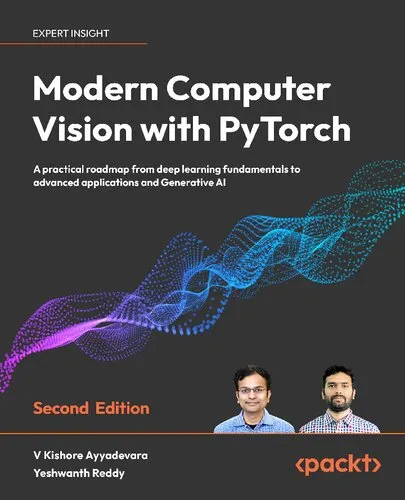
Modern Computer Vision with PyTorch: A Practical Roadmap From Deep Learning Fundamentals to Advanced Applications and Generative AI, 2nd Edition
V Kishore Ayyadevara,Yeshwanth Reddy
2023
View book