
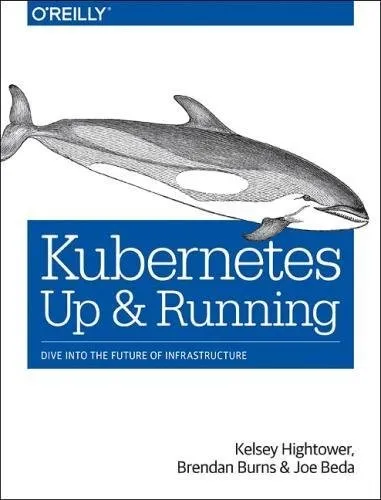
Kubernetes: Up and Running: Dive into the Future of Infrastructure
Kelsey Hightower,Brendan Burns,Joe Beda
2017
View book
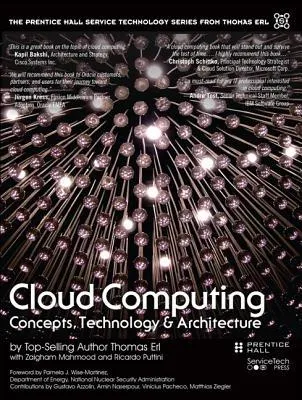
Book guide and evaluation
Thomas Erl;Zaigham Mahmood;Ricardo Puttini
0 reviews
Published
pages
views
Introduction to "Cloud Computing: Concepts, Technology & Architecture" Welcome to Cloud Computing: Concepts, Technology & Architecture, a comprehensive guide to understanding the intricacies of cloud computing. Authored by Thomas Erl, Zaigham Mahmood, and Ricardo Puttini, this
Before you read
Welcome to Cloud Computing: Concepts, Technology & Architecture, a comprehensive guide to understanding the intricacies of cloud computing. Authored by Thomas Erl, Zaigham Mahmood, and Ricardo Puttini, this book serves as a foundational text for anyone looking to delve deeper into the cloud landscape.
Cloud Computing: Concepts, Technology & Architecture aims to provide an all-encompassing exploration into the world of cloud computing. The book is intended not only for IT professionals and decision-makers but also for students and educators who wish to gain a deeper understanding of how cloud computing is transforming modern information technology.
Divided into carefully structured parts, this book begins with fundamental concepts such as defining what cloud computing is and how it has evolved over time. It then delves into the various models of cloud services, namely Infrastructure as a Service (IaaS), Platform as a Service (PaaS), and Software as a Service (SaaS). Readers will gain insights into deployment models like public, private, hybrid, and community clouds.
The authors explore the architectural aspects that form the backbone of cloud computing, detailing cloud service management, virtualization, and data storage approaches. The book also provides an extensive look at scalability, elasticity, and resource pooling. This is complemented by in-depth discussions on security, governance, and hybrid architectures.
"Cloud computing is not just a new trend in the IT industry; it represents a profound shift in the way organizations manage their technology resources."
"Understanding cloud architecture is crucial for any enterprise aiming to leverage the full potential of cloud deployments."
In today's rapidly evolving technological landscape, cloud computing stands at the forefront of innovation and growth. This book offers a definitive guide to the cloud computing domain, addressing both technical and strategic perspectives essential for businesses and IT professionals. As organizations worldwide transition to cloud environments, understanding the underlying concepts, technologies, and architecture is vital.
The book not only aids professionals in making informed decisions regarding cloud adoption but also ensures that they are equipped with the knowledge to manage and optimize cloud infrastructures effectively. Moreover, the pedagogical approach of this text makes it an excellent resource for academic settings, helping educators impart critical knowledge to the next generation of IT specialists.
Your question is answered in the context of this title and author. Each answer uses 2 points.
0 reviews, 4.5 average out of 5
Sign in to publish a review.
Ask a focused question and learn from the community.
Related references that continue this learning path.
Kelsey Hightower,Brendan Burns,Joe Beda
Theo Dimitrakos (auth.),Theo Dimitrakos,Josep Martrat,Stefan Wesner (eds.)

Kai Hwang,Jack Dongarra,Geoffrey C. Fox