


Book guide and evaluation
CliffsNotes on Hawthorne's The scarlet letter
Susan Van Kirk
English
Intermediate
novel
3.8 / 5
0 reviews
2000
Published
129
pages
547
views
Introduction to CliffsNotes on Hawthorne's The Scarlet Letter Nathaniel Hawthorne's "The Scarlet Letter" is a cornerstone of American literature, delving into themes of sin, guilt, and redemption within a rigid Puritan society. In "CliffsNotes on Hawthorne's The Scarlet
Before you read
What will you get from this book?
Introduction to CliffsNotes on Hawthorne's The Scarlet Letter
Nathaniel Hawthorne's "The Scarlet Letter" is a cornerstone of American literature, delving into themes of sin, guilt, and redemption within a rigid Puritan society. In "CliffsNotes on Hawthorne's The Scarlet Letter," author Susan Van Kirk provides a concise yet comprehensive exploration of this classic novel, guiding readers through its intricate narrative and rich thematic layers.
Detailed Summary of the Book
"The Scarlet Letter" is set in 17th-century Puritan Massachusetts and tells the story of Hester Prynne, who conceives a daughter through an affair and struggles against the harsh condemnation of her community. Sentenced to wear the titular scarlet letter "A" for adultery, Hester endures public shame while the identity of her lover, the pious Reverend Arthur Dimmesdale, remains a mystery to the townsfolk.
Hester's husband, Roger Chillingworth, arrives in town under an assumed identity, seeking his own form of justice against Dimmesdale. The novel unfolds the psychological torment of Dimmesdale, the resilience and independence of Hester, and the destructiveness of Chillingworth's obsession.
As the narrative progresses, Hawthorne explores deeper themes related to hypocrisy, moral resilience, and the nature of sin while portraying the human condition with profound empathy.
Key Takeaways
- Moral Complexity: Hawthorne masterfully depicts the complexity of human emotions and morality, emphasizing the ambiguous nature of sin and redemption.
- Critical View of Society: This novel serves as a critique of the oppressive and judgmental nature evident in Puritan society, highlighting the challenges faced by individuals who defy societal norms.
- Symbolism: The scarlet letter itself is a powerful symbol, representing shame, resilience, and the shifting perception of Hester by her community.
- Character Development: The transformation of Hester and Dimmesdale underlines the novel's exploration of personal strength and internal conflict.
Famous Quotes from the Book
"It is a curious subject of observation and inquiry, whether hatred and love be not the same thing at bottom."
"She had not known the weight until she felt the freedom."
Why This Book Matters
"The Scarlet Letter" remains a vital part of the American literary canon due to its intense exploration of themes still relevant today, such as identity, guilt, and societal judgment. Hawthorne's work compels readers to question the conditions and morality of their own times, offering timeless commentary on human nature and the power of resilience in the face of adversity.
Through "CliffsNotes on Hawthorne's The Scarlet Letter," readers gain a clearer understanding of these concepts, allowing for a deeper appreciation of the novel's enduring impact on literature and culture.
Ask this book
Your question is answered in the context of this title and author. Each answer uses 2 points.
Sign in to ask the book assistant.
Reader reviews
0 reviews, 3.8 average out of 5
No reviews yet
If you have read this book, help the next reader with your experience.
Write a review
Sign in to publish a review.
Reader questions and answers
Ask a focused question and learn from the community.
Sign in to ask or answer a question.
No questions yet
Be the first to ask a clear, useful question.
What to read next
Related references that continue this learning path.

Cervantes' Don Quixote: A Casebook (Casebooks in Criticism)
Roberto Gonzalez Echevarria
2005
View book
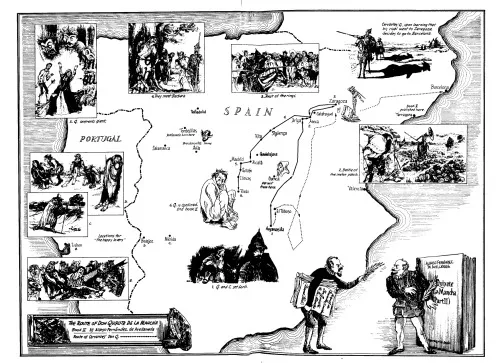
Don Quixote de la Mancha (part II): being the spurious continuation of Miguel de Cervantes' Part I
Alonso Fernández de Avellaneda,Alberta Wilson Server,John Esten Keller,Miguel de Cervantes Saavedra
1980
View book