María
2025/11/16
5 / 5
This book has really helped me in my studies about children's literature for my degree. It's very complete and covers all of the data I was required to put in my thesis.
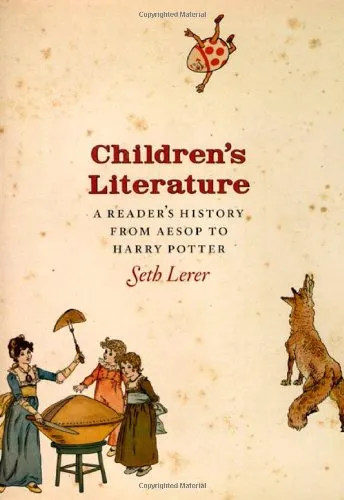
Book guide and evaluation
Seth Lerer
1 reviews
Published
pages
views
Welcome to an exploration of the fascinating world of children's literature as chronicled in "Children's Literature: A Reader's History from Aesop to Harry Potter" by Seth Lerer. This book offers a comprehensive journey through the evolution of stories written for chi
Before you read
Welcome to an exploration of the fascinating world of children's literature as chronicled in "Children's Literature: A Reader's History from Aesop to Harry Potter" by Seth Lerer. This book offers a comprehensive journey through the evolution of stories written for children, tracing their development from ancient times to the contemporary era. Through engaging narrative and insightful analysis, Lerer not only delves into the stories themselves but also examines how these tales reflect societal changes and cultural imperatives.
"Children's Literature: A Reader's History from Aesop to Harry Potter" is a sweeping examination of over two millennia of storytelling aimed at young audiences. Beginning with the fables of Aesop, which were crafted to teach moral lessons, Lerer navigates through the rich landscape of children's literature, making stops at pivotal moments and landmark works. This comprehensive narrative unpacks classic texts, from early alphabet books and fairy tales to the Victorian novels of Dickens and the imaginative realms of J.K. Rowling.
The book is structured to provide both historical context and literary analysis, understanding these stories not only as entertainment but as a window into the times and cultures in which they were produced. Lerer addresses how these narratives have evolved under the influence of social forces such as religion, education, and economics. Each chapter introduces a specific era or genre and investigates the influential authors and characters that shaped the space for children's stories. Through this historical lens, Lerer illustrates the dynamic interchange between children's books and the society that produces and consumes them.
One of the primary takeaways from Lerer's work is the understanding of children's literature as a significant part of cultural history. It's not merely about fairy tales and fantasy; it's about how societies address youth, innocence, and morality. Lerer emphasizes that:
Lerer's prose is both scholarly and accessible, filled with thought-provoking insights. Some notable excerpts include:
"Each book is a world unto itself, with characters navigating moral landscapes that reflect broader social concerns." - Seth Lerer
"The history of children's literature is not a story of lesser currents but rather a vital part of the narrative of human culture." - Seth Lerer
This book matters because it provides readers with a deeper understanding of the perennial power of stories told to children. By reading this, one gains insights into how literature helps shape the identity of not only individuals but also societies. Lerer's work serves as a valuable resource for scholars, educators, parents, and anyone interested in the cultural significance of storytelling. In a time when children's literature continues to evolve and capture the imaginations of new generations, understanding its rich history becomes even more crucial.
In essence, "Children's Literature: A Reader's History from Aesop to Harry Potter" is more than just a historical account; it is a celebration of the creativity and resilience of narrative traditions that continue to inspire. It bridges the past and the present, inviting readers to consider the timelessness of stories and the cherished place they hold in human experience.
Persian Summary
Your question is answered in the context of this title and author. Each answer uses 2 points.
1 reviews, 5.0 average out of 5
2025/11/16
5 / 5
This book has really helped me in my studies about children's literature for my degree. It's very complete and covers all of the data I was required to put in my thesis.
Sign in to publish a review.
Ask a focused question and learn from the community.
Related references that continue this learning path.
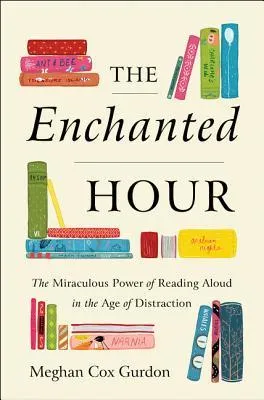
Meghan Cox Gurdon