Book guide and evaluation
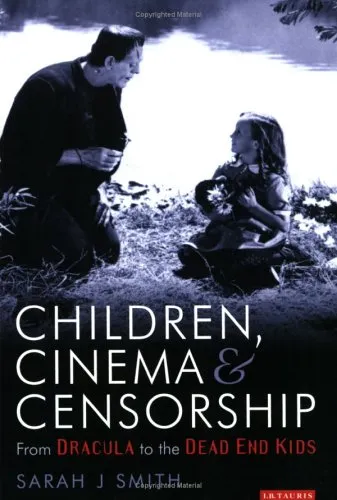
Children, Cinema and Censorship: From Dracula to Dead End (Turner Classic Movies British Film Guides)
Sarah Smith
English
Intermediate
novel
3.7 / 5
0 reviews
2005
Published
255
pages
571
views
Welcome to an in-depth exploration of a compelling intersection between youthful curiosity and stringent societal norms through the lens of cinema. Detailed Summary of the Book In "Children, Cinema and Censorship: From Dracula to Dead End," the complex dance between
Before you read
What will you get from this book?
Welcome to an in-depth exploration of a compelling intersection between youthful curiosity and stringent societal norms through the lens of cinema.
Detailed Summary of the Book
In "Children, Cinema and Censorship: From Dracula to Dead End," the complex dance between children's exposure to the cinematic world and the gatekeepers of societal values unfolds. The journey begins with the advent of cinema itself, tracing its evolution through a cultural and moral minefield.
The book meticulously examines the contentious debate over how cinema shapes young minds, probing the societal fears and moral panics ignited by certain filmic content. From the early portrayals of Dracula as a symbol of the uncanny, to more modern depictions pushing boundaries in titles like 'Dead End', this guide delves into the narratives and controversies that have prompted censors to wield their red pens.
In examining British cinema, the book spotlights key historical moments, regulatory bodies such as the British Board of Film Classification, and the shifting parameters of what is deemed appropriate for the youth. It provides a comprehensive historical narrative, interwoven with the broader cultural anxieties of each era.
Key Takeaways
Throughout its pages, the book offers several key insights:
- The evolution of censorship reflects broader societal changes, particularly in attitudes toward childhood innocence and the impact of media.
- Film serves as both a mirror and a moulder of cultural values, particularly in its portrayal of morality and deviance.
- The role of parents, educators, and regulatory bodies is crucial in mediating the exposure of children to films.
- Censorship debates are deeply intertwined with issues of power, control, and the societal desire to shield youth from perceived harm.
Famous Quotes from the Book
"Cinema provides a canvas on which society's deepest anxieties and aspirations are projected, captured in living colour."
"To censor is to acknowledge the power of an idea; to guide is to trust in the resilience of youth."
Why This Book Matters
This book holds profound significance for educators, film historians, and policy-makers alike. With an increasing variety of media available to children today, understanding the historical and cultural contexts of censorship decisions becomes ever more relevant. The book does more than analyze films; it scrutinizes the societal narratives woven around them, offering insights into the perpetual balancing act between protecting youth and fostering creative freedom.
Its detailed dissection of British cinema's regulatory environment serves as a crucial case study, offering a mirror to other cultural contexts grappling with similar challenges. By tracing these historical trajectories, Sarah Smith invites readers to reconsider persistent myths, assumptions, and the efficacy of censorship itself.
Ask this book
Your question is answered in the context of this title and author. Each answer uses 2 points.
Sign in to ask the book assistant.
Reader reviews
0 reviews, 3.7 average out of 5
No reviews yet
If you have read this book, help the next reader with your experience.
Write a review
Sign in to publish a review.
Reader questions and answers
Ask a focused question and learn from the community.
Sign in to ask or answer a question.
No questions yet
Be the first to ask a clear, useful question.
What to read next
Related references that continue this learning path.