

Williams Obstetrics, 26th Edition
F. Gary Cunningham,Kenneth J. Leveno,Jodi S. Dashe,Barbara L. Hoffman,Catherine Y. Spong,Brian M. Casey
2022
View book
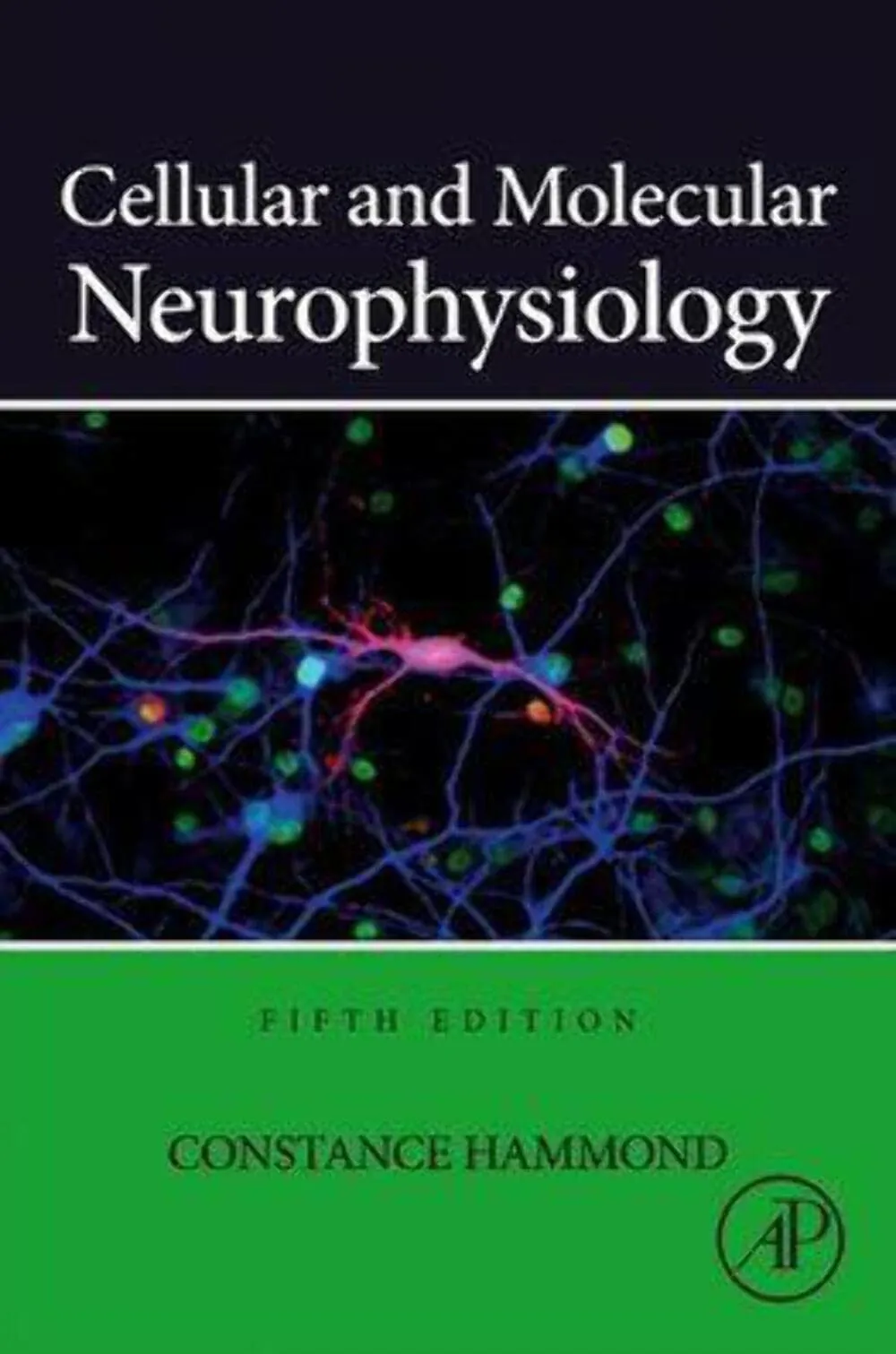
Book guide and evaluation
Constance Hammond
0 reviews
Published
pages
views
Introduction to 'Cellular and Molecular Neurophysiology' Welcome to the detailed exploration of the intricate world of neurons, synapses, and the molecular dynamics that underline human thought, emotion, and movements. 'Cellular and Molecular Neurophysiology' is a comprehe
Before you read
Welcome to the detailed exploration of the intricate world of neurons, synapses, and the molecular dynamics that underline human thought, emotion, and movements. 'Cellular and Molecular Neurophysiology' is a comprehensive resource that encapsulates the dynamic nature of neurophysiology, designed for students, researchers, and enthusiasts alike.
The world of neurophysiology is both complex and fascinating. This book serves as a foundational pillar that systematically unravels the nuanced cellular and molecular basis of neuronal function. Through meticulously researched chapters, the reader gains insight into the electrical properties of neurons, synaptic transmission, and the molecular signaling that is vital for brain function. Specific attention is paid to the integration of cellular mechanisms with systemic physiological functions, illustrating how minute cellular processes contribute to large-scale neural activities.
Drawing from recent advancements, the book highlights notable discoveries in ion channels, the molecular pathways of neuroplasticity, and the current understanding of neurotransmitter systems. Importantly, graphical illustrations and detailed charts accompany textual descriptions to aid comprehension, making complex topics accessible to readers with varying levels of expertise.
"Neurophysiology is not merely the study of neurons; it's the gateway to understanding how the very fabric of consciousness is woven." - Constance Hammond
"In the dynamic flux of ions and neurotransmitters, we find the symphony of life itself orchestrated within the cerebral cosmos." - Constance Hammond
This book stands out as a seminal text in the field of neurophysiology, bringing the detailed cellular and molecular perspectives into the curriculum of modern neuroscience education. It provides readers with the tools to understand not only how neurons communicate but also how their failures to communicate can lead to neurological disorders. Beyond the classroom, its detailed insights contribute significantly to ongoing research, providing a robust academic foundation for breakthroughs in treating neurophysiological disorders.
The accessibility of complex topics ensures that this book remains a key resource not just for students but also for clinicians, researchers, and any reader keen on understanding the sophisticated choreography of life orchestrated by neurophysiology. As we move forward in an age where neurological disorders are more prevalent, understanding the intricate details offered in this book becomes ever more crucial for global health advancements.
Your question is answered in the context of this title and author. Each answer uses 2 points.
0 reviews, 5.0 average out of 5
Sign in to publish a review.
Ask a focused question and learn from the community.
Related references that continue this learning path.
F. Gary Cunningham,Kenneth J. Leveno,Jodi S. Dashe,Barbara L. Hoffman,Catherine Y. Spong,Brian M. Casey
Alan Partin,Craig Peters,Louis Kavoussi,Roger Dmochowski,Alan Wein

John E. Bennett &Raphael Dolin &Martin J. Blaser
Anna R Dover PhD FRCP(Ed) (editor),J. Alastair Innes BSc PhD FRCP Ed (editor),Karen Fairhurst PhD FRCGP (editor)