
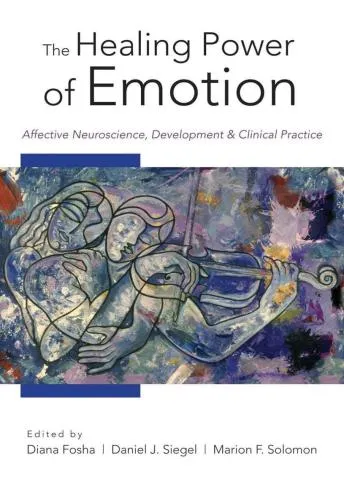
The Healing Power of Emotion: Affective Neuroscience, Development, Clinical Practice
Diana Fosha,Daniel Siegel,Marion Solomon (eds.)
2009
View book

Book guide and evaluation
Zhang, Xu; Wu, Jiaxi; Du, Fenghe; Xu, Hui; Sun, Lijun; Chen, Zhe; Brautigam, Chad A.; Zhang, Xuewu; Chen, Zhijian J.
0 reviews
Published
pages
views
Cell Reportspp.421—430 molecular signaling pathways, immune system regulation Cell Reportspp.421—430 offers an in-depth exploration of complex biological mechanisms and their broader implications. Analytical Summary The book Cell Reportspp.421—430 stands as a sign
Before you read
The book Cell Reportspp.421—430 stands as a significant contribution to the understanding of advanced molecular and cellular processes, particularly at the intersection of immunology and biochemical signaling. Authored by Zhang, Xu; Wu, Jiaxi; Du, Fenghe; Xu, Hui; Sun, Lijun; Chen, Zhe; Brautigam, Chad A.; Zhang, Xuewu; and Chen, Zhijian J., it captures a detailed account of experimental findings and theoretical interpretations presented across pages 421 to 430 in the relevant scientific context.
This volume is not merely a collection of data; it is a systematic examination of how molecular signaling pathways operate under varying biological conditions. Special focus is given to immune system regulation, cross-talk between cellular compartments, and the way molecular structures dictate biological outcomes. Though the exact publication year is information unavailable due to no reliable public source, the work’s timeless relevance reflects its methodical rigor and the depth of its analysis.
The authors employ advanced structural biology techniques, detailed biochemical assays, and comparative analysis to uncover layers of biological interaction that often remain hidden in broader overviews. This analytical summary sets the stage for appreciating the major implications this research carries for immunology, drug development, and therapeutic innovation.
Readers of Cell Reportspp.421—430 will come away with valuable scientific insights and applicable perspectives that can influence both academic research and practical applications.
First, the book elucidates detailed mechanisms of immune system regulation, bridging the gap between micro-level molecular dynamics and macro-level physiological responses. Second, it highlights the role of structural conformations in the activation or attenuation of signaling pathways. Third, the collaborative work underscores the importance of cross-disciplinary approaches, combining structural biology, molecular immunology, and biochemical analyses. Fourth, it reinforces the necessity of precision in experimental design to yield replicable and meaningful results. Finally, the text serves as a resource for fostering new hypotheses and driving future innovative explorations in biomedical science.
“Understanding the subtle interplay of molecular structures and their functions is the gateway to innovation in biology.” Unknown
“In immune regulation, precision is not just valuable—it is indispensable.” Unknown
“Cross-disciplinary collaboration amplifies the clarity of complex scientific truths.” Unknown
Cell Reportspp.421—430 matters because it distills high-value research into an accessible yet robust narrative for scientists, educators, and professionals deeply engaged in biological sciences.
By connecting molecular details to clinical prospects, it functions as a bridge between bench research and therapeutic development. The book’s precision in dissecting immune signaling pathways ensures that its findings are not only academically enriching but also relevant to applied biomedical contexts. Resolving complexities within molecular signaling contributes directly to progress in medicine, biotechnology, and pharmacology.
In revisiting the core contributions of Cell Reportspp.421—430, readers are reminded of the power of careful, multidisciplinary inquiry to reshape our understanding of biology’s most intricate systems.
For academics seeking truth in empirical rigor, professionals aiming to translate scientific knowledge into medical breakthroughs, or students eager to grasp the foundations of molecular signaling, this book offers a pathway of engagement. Its narrative invites a deeper conversation—within laboratories, classrooms, and professional networks—about where science is headed and how collaborative precision can advance human health.
Now is the time to read, share, and discuss Cell Reportspp.421—430. Let its pages inspire your next research question, refine your analytical skills, and connect you with a community committed to scientific excellence.
Your question is answered in the context of this title and author. Each answer uses 2 points.
0 reviews, 4.8 average out of 5
Sign in to publish a review.
Ask a focused question and learn from the community.
Related references that continue this learning path.
Diana Fosha,Daniel Siegel,Marion Solomon (eds.)
Fosha, Diana;Siegel, Daniel J.;Solomon, Marion Fried
Sato, Brian K. (author);Alam, Usman (author);Dacanay, Samantha J. (author);Lee, Amanda K. (author);Shaffer, Justin F. (author)
Diekema, Daniel J.; Kraft, Colleen Suzanne