

Rational Emotive Behavior Therapy (Theories of Psychotherapy Series®)
Albert Ellis PhD,Debbie Joffe Ellis
2019
View book
Book guide and evaluation
Pearl S. Berman
0 reviews
Published
pages
views
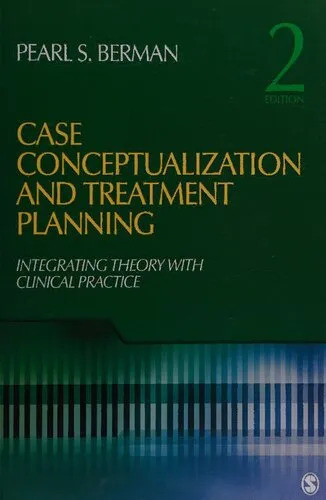
Introduction to "Case Conceptualization and Treatment Planning: Integrating Theory With Clinical Practice" Welcome to the multidimensional world of clinical practice, where theoretical wisdom meets practical application. "Case Conceptualization and Treatment Planni
Before you read
Welcome to the multidimensional world of clinical practice, where theoretical wisdom meets practical application. "Case Conceptualization and Treatment Planning: Integrating Theory With Clinical Practice" is both a roadmap and a resource designed for clinicians, therapists, and mental health professionals seeking to elevate their approach to tailored treatment. This book serves as your reliable guide, merging systematic frameworks with actionable insights to form the foundation of effective, ethical, and impactful client care. By intertwining theory and practice, it equips readers with the tools to deeply understand client needs, foster therapeutic relationships, and facilitate meaningful progress.
Whether you are a seasoned professional or a student stepping into the realm of clinical practice, this book offers a structured yet adaptive approach, ensuring relevance across various cases and settings. At its core, the book emphasizes the importance of bridging abstract theoretical models with person-centered application, enabling therapists to align client disorders, life circumstances, and personal attributes with evidence-based interventions. It is a comprehensive yet accessible text, designed to sharpen clinical confidence and enhance therapeutic efficacy for practitioners at all levels.
"Case Conceptualization and Treatment Planning" is a dynamic guide that empowers clinicians to effectively assess and intervene with clients across a wide spectrum of psychological challenges. The book commences with an overview of conceptualization frameworks, highlighting the necessity of understanding clients' unique stories and underlying psychological processes. By dissecting complex client presentations into coherent patterns, the book supports therapists in making diagnostic clarity a foundation for individualized treatment.
A significant portion of the book is devoted to exploring key psychological theories, such as Cognitive Behavioral Therapy, Psychodynamic approaches, Humanistic methods, and more. Each theory is presented alongside practical tools for identifying its relevance in various client contexts. Furthermore, extensive case studies demonstrate the integration of these theories into real-world clinical scenarios, promoting a deep appreciation for their flexibility and pragmatic value.
Emphasizing the importance of collaborative planning, the book navigates the process of designing treatment interventions that are both goal-oriented and adaptive. It delves into themes such as cultural competency, ethical considerations, and the impact of systemic factors on client outcomes. By blending theoretical understanding, case knowledge, and practical insights, the book encourages readers to create treatment plans that honor the complexity of the human experience while maintaining clinical effectiveness.
This book will leave you with an invaluable set of tools and insights, including:
"Case Conceptualization and Treatment Planning: Integrating Theory With Clinical Practice" is more than a textbook; it is a transformative resource for mental health professionals committed to providing excellence in care. What sets this book apart is its emphasis on individualized client care, blending systematic rigor with compassionate understanding. It matters because mental health practice is both an art and a science, and this text perfectly balances these two pillars to help clinicians provide the best possible outcomes for their clients.
In a world where mental healthcare requires adaptability, cultural awareness, and ethical responsibility, this book provides the crucial tools to navigate these demands with confidence and professionalism. Reflecting on real-world clinical scenarios and offering a coherent synthesis of theory, practice, and research, this book is an essential tool for anyone desiring to evolve as a thoughtful, effective practitioner.
At its heart, this book celebrates the therapeutic process, championing an approach that is deeply empathetic, scientifically grounded, and unflinchingly client-centered. For therapists aspiring to leave a lasting positive impact on their clients' lives, this book is an indispensable part of their professional library.
Your question is answered in the context of this title and author. Each answer uses 2 points.
0 reviews, 4.7 average out of 5
Sign in to publish a review.
Ask a focused question and learn from the community.
Related references that continue this learning path.
Albert Ellis PhD,Debbie Joffe Ellis
Len Sperry,Jon Sperry