Book guide and evaluation
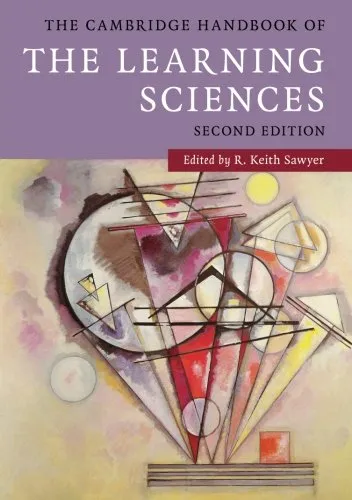
Cambridge Handbook of the Learning Sciences
R. Keith Sawyer
English
Beginner
Artificial Intelligence (AI)
5.0 / 5
0 reviews
2014
Published
802
pages
419
views
The interdisciplinary field of the learning sciences encompasses educational psychology, cognitive science, computer science, and anthropology, among other disciplines. The Cambridge Handbook of the Learning Sciences, first published in 2006, is the definitive introduction to thi
Before you read
What will you get from this book?
The interdisciplinary field of the learning sciences encompasses educational psychology, cognitive science, computer science, and anthropology, among other disciplines. The Cambridge Handbook of the Learning Sciences, first published in 2006, is the definitive introduction to this innovative approach to teaching, learning, and educational technology. In this dramatically revised second edition, leading scholars incorporate the latest research to provide practical advice on a wide range of issues. The authors address the best ways to write textbooks, design educational software, prepare effective teachers, organize classrooms, and use the Internet to enhance student learning. They illustrate the importance of creating productive learning environments both inside and outside school, including after school clubs, libraries, and museums. Accessible and engaging, the Handbook has proven to be an essential resource for graduate students, researchers, teachers, administrators, consultants, software designers, and policy makers on a global scale.
Ask this book
Your question is answered in the context of this title and author. Each answer uses 2 points.
Sign in to ask the book assistant.
Reader reviews
0 reviews, 5.0 average out of 5
No reviews yet
If you have read this book, help the next reader with your experience.
Write a review
Sign in to publish a review.
Reader questions and answers
Ask a focused question and learn from the community.
Sign in to ask or answer a question.
No questions yet
Be the first to ask a clear, useful question.
What to read next
Related references that continue this learning path.
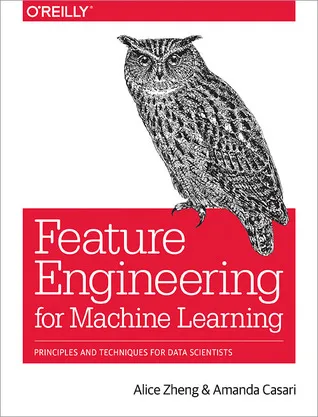
Feature Engineering for Machine Learning: Principles and Techniques for Data Scientists
Alice Zheng,Amanda Casari
2018
View book