Fundamentals of Data Engineering: Plan and Build Robust Data Systems
Joe Reis,Matt Housley
2022
View book
Book guide and evaluation
Francis D. K. Ching
0 reviews
Published
pages
views
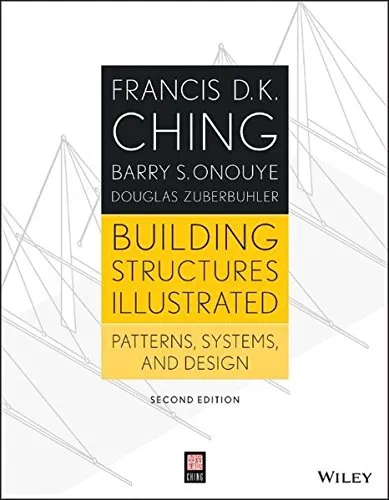
Introduction "Building Structures Illustrated: Patterns, Systems, and Design" by Francis D. K. Ching is an essential guide for architects, builders, and students who desire a solid understanding of structural design in architecture. Renowned for his straightforward explanation
Before you read
"Building Structures Illustrated: Patterns, Systems, and Design" by Francis D. K. Ching is an essential guide for architects, builders, and students who desire a solid understanding of structural design in architecture. Renowned for his straightforward explanations and engaging visuals, Ching delivers a comprehensive examination of core structural principles alongside their practical applications in architectural design.
The book serves as a bridge between architectural imagination and structural practicality. It conveys complex structural concepts in a simple, intuitive, and highly visual way, ensuring that readers gain a deeper appreciation of how various structural systems function and integrate into architectural designs. This masterpiece emphasizes not just the mechanics of building structures but their interrelationship with the overall aesthetic and functionality of spaces being created. By blending theory with real-world examples, the book presents itself as a vital resource for understanding the harmony between form, function, and the forces that shape buildings.
At its core, "Building Structures Illustrated" explores how architects and designers can systematically approach the structural integrity of buildings while maintaining aesthetic quality. Francis D. K. Ching organizes the book into digestible sections, gradually leading readers through key topics such as load-bearing systems, lateral forces, structural patterns, and material behaviors.
Readers are introduced to the foundational principles of how loads are transmitted through structural systems—both vertical and lateral. The book emphasizes how patterns in structures translate into design applications, such as post-and-lintel, bearing wall systems, and suspension structures. Not only does it provide the "what" and "how," but also tackles the "why" behind choosing specific structures for particular buildings.
One of the standout characteristics of this book is its heavy reliance on visual storytelling. Ching's iconic hand-drawn illustrations bring clarity to what could otherwise be dry and highly technical concepts. Whether you're looking at the diagram for a truss system or exploring the interaction between material strength and geometry, these sketches make the ideas tangible and easier to grasp.
Further chapters discuss modern advancements in materials and technology, illustrating their implications on structural design. The book repeatedly emphasizes that every structure has a story—a continuity between ground and roof, load and resistance, intention and execution. Ching highlights real-world projects to bring theory into context, showing how structural concepts are infused into architectural masterpieces across the globe.
"Architecture is not just about buildings. It’s about relationships—the relationship between structure and space, between form and function, and, above all, between the forces of nature and human creativity."
"The structural system of a building is its skeleton: its ability to stand tall, bear weight, and resist environmental forces is what defines its strength and beauty."
"A structure is not merely a technical necessity; it is a fundamental design choice that shapes the essence of architectural expression."
In the world of architecture, having a nuanced understanding of structures is not optional; it’s imperative. "Building Structures Illustrated" demystifies the relationship between structural systems and architectural design, making it a must-read for both early-career and seasoned professionals. The book bridges the gap between engineering calculations and creative design by exploring ideas and patterns that marry function with beauty. Its emphasis on visual learning ensures that technical subjects resonate with a wider audience, making it accessible even to those with limited engineering knowledge.
The importance of this book lies in its ability to align structural intelligence with architectural ambition. It inspires designers to think of structures as more than just a technical element—they are the building blocks of emotion, connection, and spatial elegance. By imparting both the knowledge and confidence to approach structures thoughtfully, the book empowers individuals to push boundaries and create architectural wonders that balance strength, sustainability, and artistic intent.
Your question is answered in the context of this title and author. Each answer uses 2 points.
0 reviews, 4.7 average out of 5
Sign in to publish a review.
Ask a focused question and learn from the community.
Related references that continue this learning path.
Joe Reis,Matt Housley