
Personality: Classic Theories and Modern Research, Books a la Carte Edition
Howard S. Friedman,Miriam W. Schustack
2015
View book

Book guide and evaluation
John G. Hanly; Melanie J. Harrison
0 reviews
Published
pages
views
Best Practice & Research Clinical Rheumatologypp.799—821 Autoimmune diseases, Clinical rheumatology advancements Explore Best Practice & Research Clinical Rheumatologypp.799—821 for in-depth insight into evolving rheumatologic standards and approaches. Analytical Sum
Before you read
The chapter titled Best Practice & Research Clinical Rheumatologypp.799—821 represents a meticulous and authoritative exploration of contemporary rheumatology, authored by John G. Hanly and Melanie J. Harrison. Designed for clinicians, researchers, and graduate-level readers, it synthesizes peer-reviewed evidence, expert consensus, and sophisticated clinical reasoning to make sense of complex autoimmune and musculoskeletal conditions.
This work situates itself within the broader series of Best Practice & Research Clinical Rheumatology publications, known for integrating cutting-edge research findings with clinical applicability. The thematic focus revolves around autoimmunity, diagnostic innovations, and evidence-based treatment paradigms, all essential for managing conditions such as lupus, rheumatoid arthritis, and systemic vasculitides. While the precise publication year for this specific chapter is information unavailable due to no reliable public source, its relevance remains current thanks to its timely discussions on immunopathogenesis and precision medicine in rheumatology.
Hanly and Harrison’s narrative balances dense epidemiological data with case-focused perspectives, making it adaptable for both theoretical and applied contexts. Throughout, the reader encounters detailed commentary on biomarkers, longitudinal cohort studies, and structured clinical guidelines, reflecting the ongoing evolution of how autoimmune disease diagnostics and management are being refined worldwide.
The chapter imparts a set of actionable insights that can directly impact clinical practice and academic discourse in rheumatology.
First, it emphasizes the indispensable role of multidisciplinary teams in managing complex autoimmune diseases. Second, it provides a roadmap for integrating laboratory diagnostics and imaging modalities effectively within patient care pathways. Third, it reinforces a culture of continuous learning, urging clinicians to stay abreast of emerging biological therapeutics and precision medicine approaches. Finally, it illustrates the necessity of tailoring treatment strategies to individual patient profiles using robust evidence and patient-centered values.
Rheumatology thrives at the intersection of scientific rigor and compassionate patient care. Unknown
Every diagnostic choice carries the weight of shaping a patient’s life trajectory. Unknown
Advancements in autoimmune disease management are the result of persistent collaboration across disciplines. Unknown
In the crowded landscape of medical literature, Best Practice & Research Clinical Rheumatologypp.799—821 distinguishes itself through its precision, academic rigor, and clinical applicability.
For professionals, this chapter is more than a reference—it is a blueprint for enhancing patient care through evidence-based strategies. For academics, it serves as a vital teaching resource that bridges the gap between foundational immunology and practical rheumatology. For policymakers, it offers a lens through which to view and adapt healthcare frameworks to encompass the dynamic realities of rheumatologic disease burden.
Its sustained relevance lies in its commitment to integrating real-world patient experiences with empirical data, helping ensure that the evolving science directly benefits those living with autoimmune diseases and related disorders.
By engaging deeply with Best Practice & Research Clinical Rheumatologypp.799—821, readers align themselves with the forefront of rheumatologic research and practice.
This chapter stands as a testament to skilled scholarship and informed patient care. It invites professionals, educators, and students alike to explore its nuanced analyses, apply its insights in clinical settings, and contribute to the wider discussion on autoimmune disease management. Take the next step: read, reflect, and share the knowledge contained within these pages to strengthen the collective expertise in rheumatology across institutions and healthcare systems worldwide.
Your question is answered in the context of this title and author. Each answer uses 2 points.
0 reviews, 4.5 average out of 5
Sign in to publish a review.
Ask a focused question and learn from the community.
Related references that continue this learning path.
Howard S. Friedman,Miriam W. Schustack
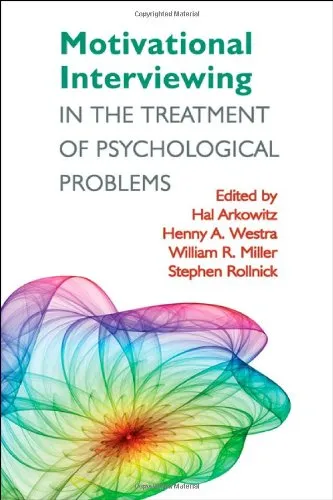
Hal Arkowitz PhD,Henny A. Westra PhD,William R. Miller Phd,Stephen P Rollnick PhD
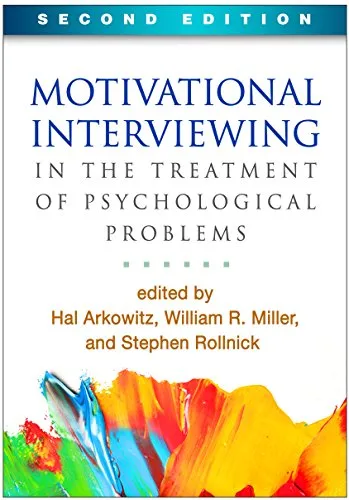
Hal Arkowitz PhD,William R. Miller Phd,Stephen Rollnick PhD