Book guide and evaluation
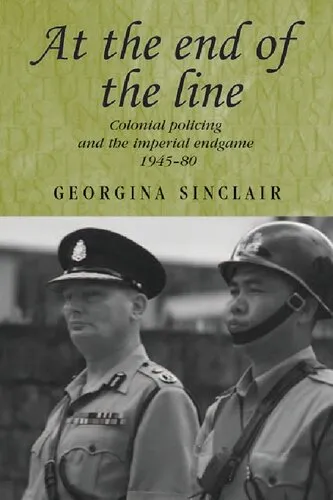
At the end of the line: Colonial policing and the imperial endgame 1945–80
Georgina Sinclair
English
Intermediate
novel
4.3 / 5
0 reviews
2010
Published
263
pages
465
views
Introduction Welcome to a deep dive into the complex and intricate world of colonial policing during the imperial endgame between 1945 and 1980. "At the End of the Line: Colonial Policing and the Imperial Endgame 1945–80" explores the nuanced role of colonial police forces
Before you read
What will you get from this book?
Introduction
Welcome to a deep dive into the complex and intricate world of colonial policing during the imperial endgame between 1945 and 1980. "At the End of the Line: Colonial Policing and the Imperial Endgame 1945–80" explores the nuanced role of colonial police forces as they navigated the political and social turbulence of decolonization. This book provides a critical analysis of how these forces attempted to maintain order and authority amidst the collapsing structures of imperialism.
Detailed Summary of the Book
Georgina Sinclair’s "At the End of the Line" is a masterful exploration of the final decades of British colonial rule through the lens of policing. The book charts the transformation and adaptation of colonial police forces across various regions, including Africa, the Middle East, Asia, and the Caribbean. Sinclair provides rich historical accounts and an analytical framework for understanding the intertwined fate of policing and decolonization.
Starting from the post-World War II period, the book delves into the challenges that colonial police forces faced with the rising tide of nationalistic movements and demands for independence. The narrative is built on meticulous research drawing on governmental archives, police records, and contemporary accounts, painting a vivid picture of how colonial authorities used police as instruments of control and stabilization.
The book investigates specific case studies, revealing diverse experiences in different territories while identifying common strategic and operational challenges. Sinclair explores how these forces coped with diminishing legitimacy and the gradual transfer of power, giving readers insights into the everyday realities faced by colonial police officers.
Key Takeaways
- Colonial policing was a dynamic and evolving institution shaped by and shaping the end of imperial rule.
- The transition from colonialism was characterized by tensions between maintaining order and facilitating a transfer of power.
- The book highlights the complexity of policing amidst nationalist demands and scrutinizes how imperial policies failed or succeeded in managing the colonial spheres.
Famous Quotes from the Book
"In navigating the fraught terrain between imperial directive and local realities, colonial police became both the enforcers of empire and its unwitting victims."
"The end of empire was not just a political reformation but a profound transformation of societal order and justice."
Why This Book Matters
The significance of "At the End of the Line" lies in its balanced examination of one of the lesser-studied yet pivotal aspects of decolonization—policing. As post-colonial nations emerged from the shadows of empires, understanding the role of colonial police offers critical insights into the processes of state formation and the legacies of imperial rule. Georgina Sinclair’s research contributes to broader discourses on imperial history, law enforcement, and the socio-political transformations during the mid-20th century. This book is an invaluable resource for historians, political scientists, and anyone interested in understanding the complexities of decolonization.
Ask this book
Your question is answered in the context of this title and author. Each answer uses 2 points.
Sign in to ask the book assistant.
Reader reviews
0 reviews, 4.3 average out of 5
No reviews yet
If you have read this book, help the next reader with your experience.
Write a review
Sign in to publish a review.
Reader questions and answers
Ask a focused question and learn from the community.
Sign in to ask or answer a question.
No questions yet
Be the first to ask a clear, useful question.
What to read next
Related references that continue this learning path.
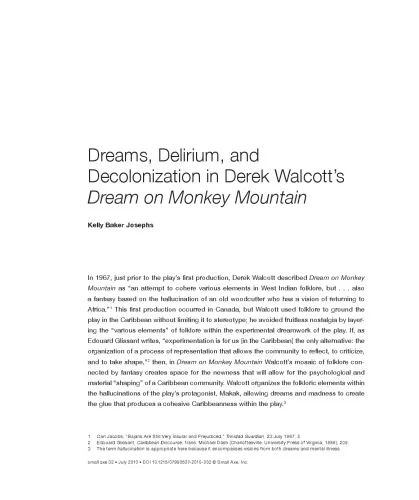
Dreams, Delirium, and Decolonization in Derek Walcott’s Dream on Monkey Mountain
Kelly Baker Josephs
2010
View book