
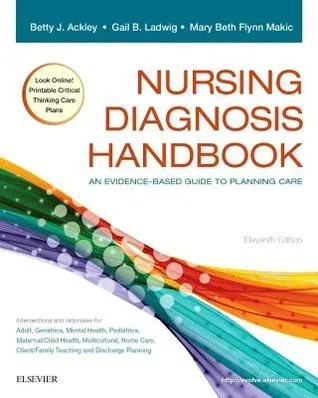
Nursing Diagnosis Handbook: An Evidence-Based Guide to Planning Care
Betty J. Ackley;Gail B. Ladwig;Mary Beth Flynn Makic
2016
View book

Book guide and evaluation
John Salvia,James Ysseldyke,Sara Bolt
0 reviews
Published
pages
views
Welcome to the eleventh edition of "Assessment: In Special and Inclusive Education", a comprehensive guide crafted to illuminate the vital role assessment plays in the realms of special and inclusive education. As educators, administrators, and professionals strive to
Before you read
Welcome to the eleventh edition of "Assessment: In Special and Inclusive Education", a comprehensive guide crafted to illuminate the vital role assessment plays in the realms of special and inclusive education. As educators, administrators, and professionals strive to meet the diverse needs of students, this book provides the tools, knowledge, and insights necessary to ensure fair, ethical, and effective student evaluations. Carefully updated to reflect the latest research, practices, and legal standards, this edition remains an indispensable resource in creating equitable and high-quality educational experiences for all learners.
This book is designed to address the critical intersection of assessment and educational practice, especially in environments where inclusion and special education overlap. The text is divided into several thoughtfully constructed chapters that cover essential topics such as the purpose of assessment, the diversity of learners, legal and ethical considerations, and the use of assessment tools.
Core to the book’s mission is the focus on decision-making and practical applications. It takes readers through the assessment process, enabling professionals to make informed decisions—whether identifying students who are eligible for special education services, designing effective interventions, or evaluating ongoing progress. Organized for clarity, the book includes discussions on standardized tests, curriculum-based assessments, and alternative means of assessment that cater to students from diverse cultural and linguistic backgrounds.
By integrating real-world examples, case studies, and best practices, this book ensures its readers gain both the theoretical underpinnings of the assessment process and the hands-on expertise necessary to effectively serve students with exceptional needs. The eleventh edition also emphasizes the importance of collaboration between teachers, families, and service providers in fostering inclusive education environments where all students can thrive.
"Assessment is not an end in itself. It is a means to improve outcomes for students by informing instructional practices and ensuring that their unique needs are met."
"True inclusivity begins with understanding and addressing the diverse ways in which students demonstrate their skills and abilities."
"Effective assessment is rooted in fairness and equity, ensuring that every student’s potential can be recognized and nurtured."
In a time when education systems around the world are embracing the ideals of inclusion, the proper assessment of students with exceptionalities has never been more critical. "Assessment: In Special and Inclusive Education" is not only a guide to understanding assessment but also a call to action for educators to uphold the principles of social justice and equitable education.
This book serves as a bridge between research and practice, equipping education professionals with the expertise required to make impactful decisions. By demystifying various assessment techniques, it empowers educators to serve all learners effectively, regardless of disabilities or unique learning profiles. This focus on ethical and culturally competent assessments underscores the broader societal need to embrace diversity in learning.
Beyond its technical guidance, the book’s relevance extends to its role in challenging systemic barriers in education. It reminds readers that assessment is a tool for empowerment rather than exclusion, providing data to drive meaningful interventions and foster a sense of belonging for every child. For both aspiring and seasoned educators, it is an invaluable resource that helps students reach their full potential while advancing inclusion across learning environments.
Your question is answered in the context of this title and author. Each answer uses 2 points.
0 reviews, 4.5 average out of 5
Sign in to publish a review.
Ask a focused question and learn from the community.
Related references that continue this learning path.
Betty J. Ackley;Gail B. Ladwig;Mary Beth Flynn Makic
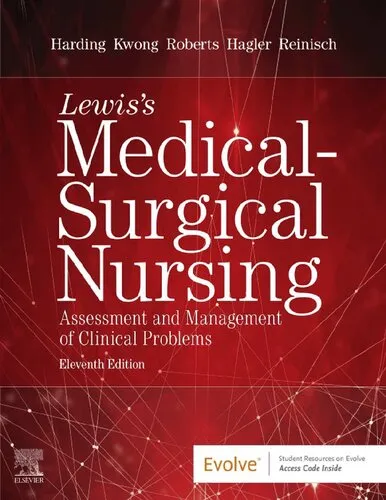
Mariann M. Harding,Jeffrey Kwong,Dottie Roberts,Debra Hagler,Courtney Reinisch
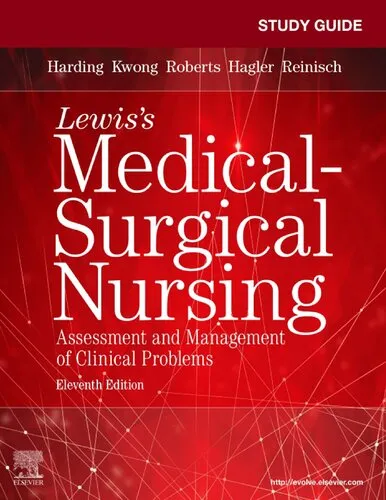
Harding Kwong Roberts Hagler Reinisch
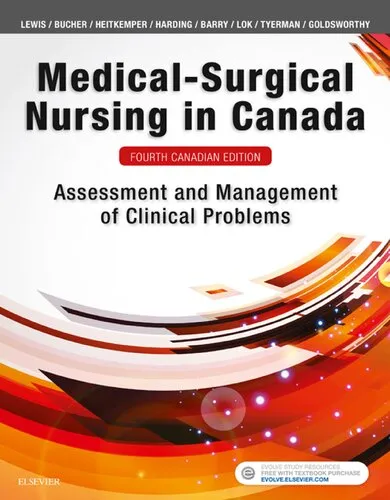
Lewis,Bucher,Heitkemper,Harding,Barry,Lok,Tyerman,Goldsworthy