Book guide and evaluation
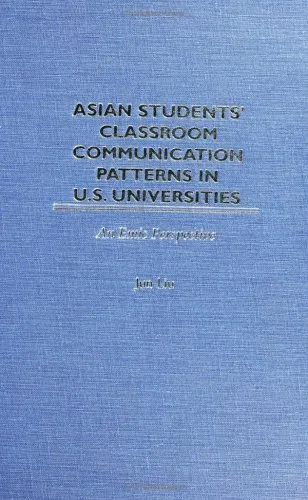
Asian Students' Classroom Communication Patterns in U.S. Universities: An Emic Perspective
Jun Liu
English
Advanced
Language Learning
4.0 / 5
0 reviews
2001
Published
298
pages
602
views
Introduction to "Asian Students' Classroom Communication Patterns in U.S. Universities: An Emic Perspective" Understanding the intricate classroom communication dynamics experienced by Asian students in U.S. universities is pivotal for fostering inclusivity and effective pedag
Before you read
What will you get from this book?
Introduction to "Asian Students' Classroom Communication Patterns in U.S. Universities: An Emic Perspective"
Understanding the intricate classroom communication dynamics experienced by Asian students in U.S. universities is pivotal for fostering inclusivity and effective pedagogic strategies. "Asian Students' Classroom Communication Patterns in U.S. Universities: An Emic Perspective" takes an in-depth look into this sensitive and significant topic, offering insights that are both academically enriching and practically applicable.
Detailed Summary of the Book
In this book, I delve into the unique communication patterns of Asian students within the U.S. educational system. The exploration is based on the emic perspective, meaning it approaches the subject from the viewpoint of the students themselves rather than employing external interpretations. The book provides comprehensive research spanning various Asian cultures, including Chinese, Indian, Korean, and Japanese students, among others, to present a wide range of experiences and challenges.
It systematically unpacks the cultural nuances that affect communication, the adaptation processes these students undergo, and the academic and social implications of their communication styles. Extensive fieldwork and interviews contribute to a textured understanding of the subject, offering practical solutions for educators and institutions aiming to enhance their engagement with international students.
Key Takeaways
- A deep understanding of cultural influences on communication styles among Asian students.
- Insights into the challenges faced by Asian students within U.S. classrooms.
- Strategies for educators to better accommodate and support diverse communication patterns.
- The role of cultural identity in shaping classroom interaction and participation.
- Data-driven recommendations for policy-making in educational institutions.
Famous Quotes from the Book
“The success of multicultural education hinges not just on the diversity of the student body, but on the ability of educators to understand and value the communication patterns inherent in this diversity.”
“True empathy in education comes from embracing an emic approach, where one seeks to understand experiences from the inside out.”
Why This Book Matters
As globalization progresses and student demographics continue to evolve, the need to address the communication barriers in higher education becomes more pressing. This book contributes significantly to the discourse by shedding light on the specific hurdles and opportunities faced by Asian students. It emphasizes the importance of viewing intercultural communication as a two-way street that benefits not only the students but also enriches the learning environment for all involved.
For educators, policymakers, and students themselves, this book offers critical insights that help bridge gaps in understanding and foster a more inclusive and engaging educational atmosphere. By advocating for an emic perspective, it encourages a shift towards deeper cultural empathy and informed pedagogical practices.
Ask this book
Your question is answered in the context of this title and author. Each answer uses 2 points.
Sign in to ask the book assistant.
Reader reviews
0 reviews, 4.0 average out of 5
No reviews yet
If you have read this book, help the next reader with your experience.
Write a review
Sign in to publish a review.
Reader questions and answers
Ask a focused question and learn from the community.
Sign in to ask or answer a question.
No questions yet
Be the first to ask a clear, useful question.
What to read next
Related references that continue this learning path.
International Students in American Colleges and Universities: A History
Teresa Brawner Bevis,Christopher J. Lucas
2007
View book