


Book guide and evaluation
Arundhati Roy's The God of small Things (Routledge Guides to Literature)
Alex Tickell
English
Intermediate
novel
4.0 / 5
0 reviews
2007
Published
200
pages
548
views
Welcome to a comprehensive guide to understanding and appreciating the nuanced brilliance of Arundhati Roy's The God of Small Things through the lens of literary analysis. This guide, Arundhati Roy's The God of Small Things (Routledge Guides to Literature), offers an in-depth e
Before you read
What will you get from this book?
Welcome to a comprehensive guide to understanding and appreciating the nuanced brilliance of Arundhati Roy's The God of Small Things through the lens of literary analysis. This guide, Arundhati Roy's The God of Small Things (Routledge Guides to Literature), offers an in-depth exploration of Roy's seminal work, helping readers uncover the layers of meaning within. The book examines the intricate themes, memorable characters, and the socio-political critique that has fascinated readers worldwide since its publication. Through a methodical and academic yet accessible approach, this guide serves both new readers and seasoned scholars.
Detailed Summary of the Book
Arundhati Roy's The God of Small Things is a poignant narrative set in Kerala, India, imbued with a deep sensitivity towards the minutiae of human emotions and relationships. The novel oscillates between the childhood experiences and adult reflections of fraternal twins Rahel and Estha. Central to the storyline is the forbidden love between their mother, Ammu, and Velutha, an untouchable, which culminates in tragedy, societal backlash, and long-lasting repercussions. The narrative intricately weaves flashbacks with present events, offering insight into how small seemingly insignificant details can alter the course of human lives. The lush description of Kerala's landscape, entwined with complex social and historical themes, offers readers a vivid backdrop that mirrors the tumultuous lives of the protagonists.
Key Takeaways
- Arundhati Roy masterfully uses non-linear storytelling to explore the theme of memory and its role in shaping identity and perception.
- The novel highlights the impact of societal norms and family expectations on personal freedom and happiness.
- Through its exploration of caste and colonialism, Roy critiques ingrained prejudices and the destructive nature of rigid social structures.
- The narrative illuminates the beauty and brutality of childhood, showing how early experiences can leave indelible marks on one's psyche.
Famous Quotes from the Book
“That's what careless words do. They make people love you a little less.”
“The secret of the Great Stories is that they have no secrets. The Great Stories are the ones you have heard and want to hear again.”
“It's true. Things can change in a day.”
Why This Book Matters
The God of Small Things transcends traditional storytelling by delving into the fragmented lives of its characters while also serving as a socio-political commentary on India. Its relevance lies in its ability to weave personal and political narratives seamlessly, creating a portrait of a society overshadowed by its rigid traditions. The book remains a definitive narrative on the complexities of family dynamics, love, and freedom, making it essential reading for those interested in post-colonial literature and feminist discourse. By addressing themes of caste and systemic oppression, Roy compels readers to reflect on issues that persist today. The inherent beauty and brutality in Roy’s storytelling continue to captivate readers, ensuring its enduring significance in literary studies.
Ask this book
Your question is answered in the context of this title and author. Each answer uses 2 points.
Sign in to ask the book assistant.
Reader reviews
0 reviews, 4.0 average out of 5
No reviews yet
If you have read this book, help the next reader with your experience.
Write a review
Sign in to publish a review.
Reader questions and answers
Ask a focused question and learn from the community.
Sign in to ask or answer a question.
No questions yet
Be the first to ask a clear, useful question.
What to read next
Related references that continue this learning path.


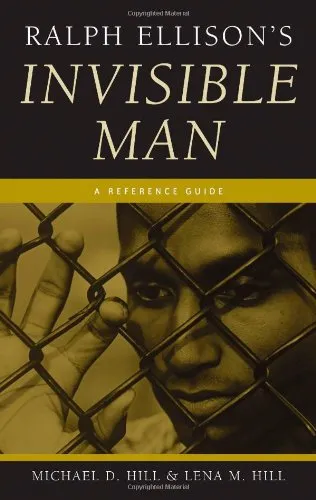
Ralph Ellison's Invisible Man: A Reference Guide (Greenwood Guides to Multicultural Literature)
Michael D. Hill,Lena M. Hill
2008
View book