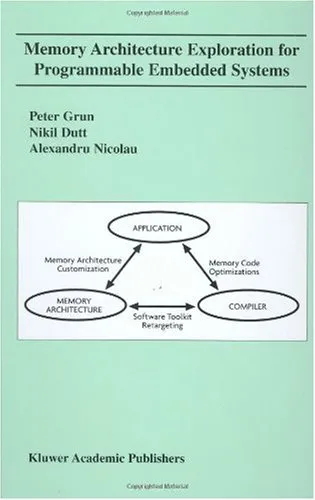
Memory Architecture Exploration for Programmable Embedded Systems
Peter Grun,Nikil D. Dutt,Alexandru Nicolau
2002
View book
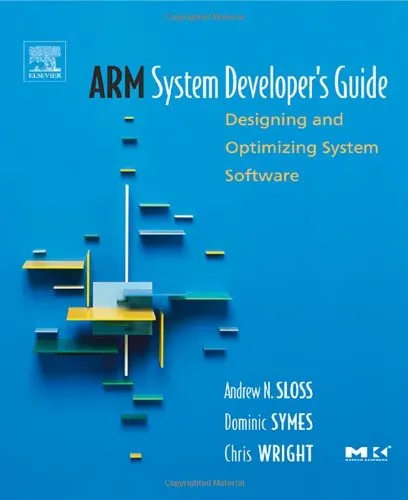
Book guide and evaluation
Andrew Sloss,Dominic Symes,Chris Wright
0 reviews
Published
pages
views
Introduction to "ARM System Developer's Guide: Designing and Optimizing System Software" Welcome to "ARM System Developer's Guide: Designing and Optimizing System Software," a comprehensive exploration into the intricacies of ARM architecture. This book is a vital resour
Before you read
Welcome to "ARM System Developer's Guide: Designing and Optimizing System Software," a comprehensive exploration into the intricacies of ARM architecture. This book is a vital resource for engineers, programmers, and system developers who seek to master ARM systems for optimal software performance. We have meticulously compiled a wealth of information, insights, and practical guidance to enhance your understanding of this versatile technology.
This guide delves into the rich architecture of ARM processors, providing a thorough examination of its core concepts and system software development practices. It begins with foundational knowledge, outlining the ARM instruction set architecture and the nuances of ARM system design. From there, the book navigates through topics such as memory hierarchy, performance optimization, and embedded operating systems. Readers will appreciate the book's structured approach, with each chapter building upon the last to provide a coherent learning experience.
Key areas include optimizing assembly language code, understanding the ARM processor's pipelines, and implementing low-level drivers. This book doesn't just offer theory but also practical advice supported by real-world examples and case studies. Advanced topics such as multi-core challenges, power management, and security are also explored to present a holistic view of ARM-based development.
"In the world of system design, understanding the subtleties of underlying hardware is as crucial as software development itself."
"Optimization is not a secondary task but a primary objective that guides the architecture of efficient systems."
This book matters because it bridges the gap between theoretical knowledge and practical application in ARM system software development. ARM processors are embedded in a plethora of devices, from mobile phones to automotive systems, making this knowledge highly valuable. The book's in-depth analysis and comprehensive coverage equip developers with the tools needed to tackle modern computing challenges. By focusing on both foundational and advanced topics, this guide stands out as an essential resource for anyone involved in designing and optimizing ARM-based systems.
Furthermore, the book's holistic approach ensures that developers can design solutions that are not only high-performing but also energy-efficient and secure, meeting the demands of today's technology landscape.
Your question is answered in the context of this title and author. Each answer uses 2 points.
0 reviews, 4.5 average out of 5
Sign in to publish a review.
Ask a focused question and learn from the community.
Related references that continue this learning path.
Peter Grun,Nikil D. Dutt,Alexandru Nicolau