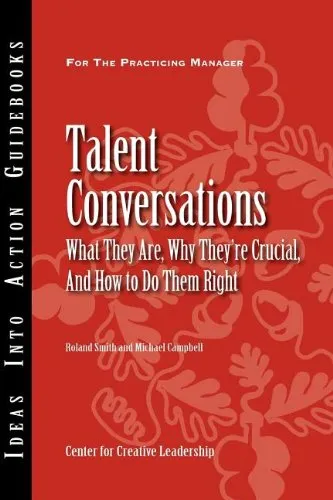
Talent Conversations: What They Are, Why They're Crucial, and How to Do Them Right
Roland SmithandMichael Campbell
2011
View book
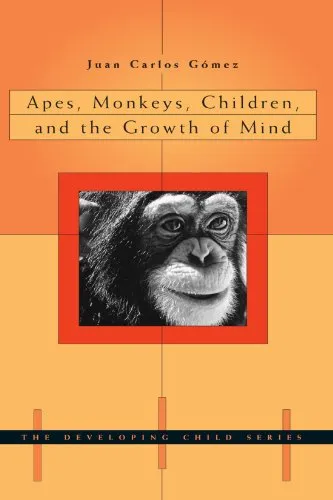
Book guide and evaluation
Dr. Juan Carlos Gomez
0 reviews
Published
pages
views
Introduction Welcome to an exploration of the intertwined worlds of apes, monkeys, and children—the beings whose developmental paths provide profound insights into the growth of the human mind. "Apes, Monkeys, Children, and the Growth of Mind" delves into the comparative p
Before you read
Welcome to an exploration of the intertwined worlds of apes, monkeys, and children—the beings whose developmental paths provide profound insights into the growth of the human mind. "Apes, Monkeys, Children, and the Growth of Mind" delves into the comparative psychology of these fascinating subjects to explore the roots of human cognition and development.
In this comprehensive work, I examine the intriguing parallels and distinctions between the cognitive and emotional development processes of non-human primates and children. Understanding these parallels not only provides a window into the evolutionary origins of human thought but also highlights what makes the human mind unique.
The book is structured around key themes: the evolution of intelligence, the development of self-awareness, and the emergence of complex social behavior. By comparing species at various stages of development, I illuminate how certain cognitive skills have evolved and how they manifest differently in apes, monkeys, and children. The comparison is not merely academic but serves to enhance our understanding of cognitive deficits and developmental disorders such as autism.
From communication practices and the use of language to problem-solving and social interactions, I offer a detailed analysis supported by rigorous research and case studies. The narrative is enriched by anecdotes from apes and monkeys, offering a vivid portrayal of their mental lives.
“Understanding the mind of an ape or a monkey is, in a sense, peering into our own cognitive reflection—a chance to see the origins and potential limits of our own thinking.”
“The child matures into a complexity of thought, much like climbing the branches of a tree—each new grasp and reach reflects on the past and expands towards the future.”
In a world where understanding the human mind is seen as one of the final frontiers, this book offers an indispensable resource for students, educators, psychologists, and anyone interested in cognitive development. What is uniquely captivating about "Apes, Monkeys, Children, and the Growth of Mind" is its ability to bring together insights from evolutionary biology, developmental psychology, and comparative cognition.
As we seek to understand the complexities of the human mind, from creativity to language and empathy, this book serves as a critical reminder of our connections with other species and the evolutionary journey that has shaped our brains. Its findings may reshape pedagogical approaches and influence therapeutic strategies for cognitive and developmental disorders.
In conclusion, the journey through the comparative realms of apes, monkeys, and children not only enhances our understanding of human cognition but also emphasizes the shared pathways and unique divergences that continue to define the evolution and growth of the mind.
Your question is answered in the context of this title and author. Each answer uses 2 points.
0 reviews, 4.5 average out of 5
Sign in to publish a review.
Ask a focused question and learn from the community.
Related references that continue this learning path.
Roland SmithandMichael Campbell