Book guide and evaluation
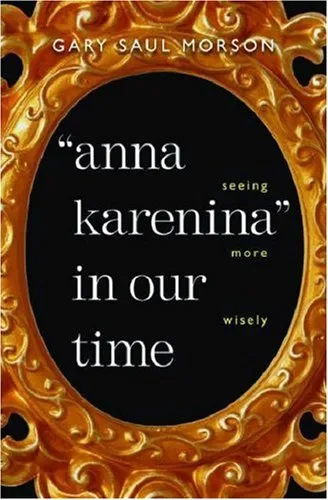
Anna Karenina in our time
Gary Saul Morson
English
Intermediate
novel
4.4 / 5
0 reviews
2007
Published
286
pages
543
views
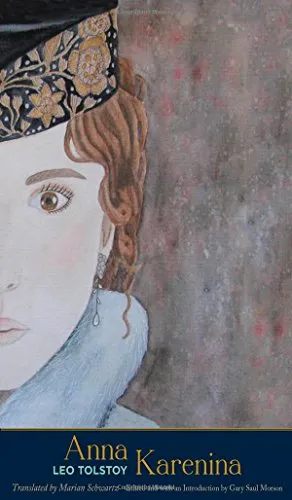
Introduction to 'Anna Karenina in Our Time' The novel "Anna Karenina" by Leo Tolstoy remains one of the most frequently read and examined books in world literature. In "Anna Karenina in Our Time," I aim to explore this classic work's enduring relevance and profound insight
Before you read
What will you get from this book?
Introduction to 'Anna Karenina in Our Time'
The novel "Anna Karenina" by Leo Tolstoy remains one of the most frequently read and examined books in world literature. In "Anna Karenina in Our Time," I aim to explore this classic work's enduring relevance and profound insights. By delving into the complex characters, intricate narratives, and compelling themes, this book serves as a contemporary analysis of Tolstoy's masterpiece, facilitating a deeper understanding of both the novel and its modern implications.
Detailed Summary of the Book
"Anna Karenina in Our Time" dissects Tolstoy's novel through a modern lens, bridging the gap between 19th-century Russia and our current era. The book provides a meticulous study of Tolstoy’s narrative technique, character development, and thematic depth. It highlights how the timeless themes of love, betrayal, and societal pressures are as pertinent today as they were in Tolstoy's time. Part of the analysis focuses on Anna's tragic journey and the societal expectations that bind her. Through detailed examinations of key scenes and critical commentary, the reader gains insight into the juxtaposition of personal desire against moral and societal constraints.
Key Takeaways
- The enduring nature of Tolstoy's exploration of love and infidelity is highlighted, emphasizing its timeless relevance.
- Insightful analysis of Tolstoy's critique of the aristocratic society and its norms.
- Exploration of the philosophical and ethical dilemmas faced by the characters, resonating with modern-day struggles.
Famous Quotes from the Book
"Anna Karenina in Our Time" includes annotated discussions of some of Tolstoy’s most famous lines, drawing connections between his musings and contemporary social dynamics. Discussions revolve around pivotal quotes that capture the essence of the characters' moral whirlpools and emotional landscapes.
"All happy families are alike; each unhappy family is unhappy in its own way." - An exploration of this opening line sets the stage for understanding the myriad forms of human suffering portrayed in the novel.
Why This Book Matters
"Anna Karenina in Our Time" is not just a companion to Tolstoy's novel; it serves as a framework for understanding how the stories and characters from the past continue to influence and inform the present. The book sheds light on the complexities of human nature, societal constraints, and the enduring search for personal and ethical truth. By interpreting Tolstoy’s work through an analytical lens, this book becomes a vital resource for both literature students and enthusiasts eager to connect the dots between classic literature and contemporary human experience.
This exploration contributes to the larger conversation about the relevance of classic literature, demonstrating its power to illuminate ongoing human struggles. Moreover, understanding the timeless elements of "Anna Karenina" can offer solace and insight into how we navigate our own worlds, making this book a poignant reflection on the universality and timeless struggles inherent in the human condition.
Audio introductions
Persian Summary
Ask this book
Your question is answered in the context of this title and author. Each answer uses 2 points.
Sign in to ask the book assistant.
Reader reviews
0 reviews, 4.4 average out of 5
No reviews yet
If you have read this book, help the next reader with your experience.
Write a review
Sign in to publish a review.
Reader questions and answers
Ask a focused question and learn from the community.
Sign in to ask or answer a question.
No questions yet
Be the first to ask a clear, useful question.
What to read next
Related references that continue this learning path.