
Book guide and evaluation
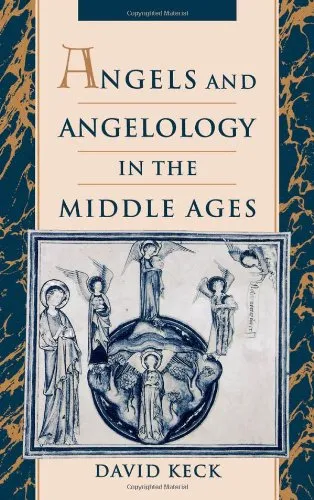
Angels and Angelology in the Middle Ages
David Keck
English
Intermediate
novel
4.5 / 5
0 reviews
1998
Published
272
pages
578
views
Introduction to 'Angels and Angelology in the Middle Ages' Welcome to a comprehensive exploration of the mystical and theological realm of angels as examined during the Middle Ages. This intriguing period marked a profound development in the understanding of angelic beings, th
Before you read
What will you get from this book?
Introduction to 'Angels and Angelology in the Middle Ages'
Welcome to a comprehensive exploration of the mystical and theological realm of angels as examined during the Middle Ages. This intriguing period marked a profound development in the understanding of angelic beings, their nature, roles, and the significant impact they had on medieval thought, philosophy, and religion.
Detailed Summary of the Book
'Angels and Angelology in the Middle Ages' delves deep into the medieval scholarly world, revealing how angelology— the study of angels— played a crucial role in the broader tapestry of theological and philosophical discussions. The book examines numerous medieval theological texts, exploring how angels were perceived both in ecclesiastic discourse and popular medieval culture.
Drawing on historical sources, the book traces the evolving perception of angels, examining key figures such as Thomas Aquinas, who offered significant contributions to angelology. Aquinas pondered deeply on the nature of angels, their powers, and their hierarchical structures within the heavenly domain. The book also delves into the enigmatic writings of Pseudo-Dionysius, whose celestial hierarchy profoundly influenced medieval thinkers.
The narrative traverses through various centuries, showcasing how artistic depictions and literary portrayals of angels aligned with or diverged from theological stances, thereby influencing the cultural landscape of the period.
Key Takeaways
- The book uncovers the complex hierarchical structures attributed to angels by medieval theologians.
- It highlights the diverse roles angels were believed to play, from divine messengers to warriors of cosmic battles.
- The work underscores the profound influence of angelology on medieval philosophy and religious practices.
- It showcases the interplay between official church doctrine and popular beliefs regarding angels.
Famous Quotes from the Book
"In the grand tapestry of the Middle Ages, angels stood as luminous threads weaving together divine and earthly realms."
"The hierarchy of angelic beings not only mirrored the heavenly order but also offered medieval thinkers a model for earthly governance and spiritual ascent."
Why This Book Matters
Understanding the role of angels in medieval society is crucial to comprehending the broader philosophical and theological frameworks of the era. 'Angels and Angelology in the Middle Ages' presents readers with in-depth analysis and interpretation of a subject that is often overshadowed by more terrestrial historical narratives.
The insights provided in the book are essential for students of theology, medieval studies, and cultural history. They illuminate the profound and often mystical relationship between humans and celestial beings as conceptualized during a time of great spiritual inquiry and intellectual flourishing.
This work stands as a testament to the vibrant spiritual life of the Middle Ages, shedding light on how the contemplation of angels has influenced centuries of religious thought and practice.
Ask this book
Your question is answered in the context of this title and author. Each answer uses 2 points.
Sign in to ask the book assistant.
Reader reviews
0 reviews, 4.5 average out of 5
No reviews yet
If you have read this book, help the next reader with your experience.
Write a review
Sign in to publish a review.
Reader questions and answers
Ask a focused question and learn from the community.
Sign in to ask or answer a question.
No questions yet
Be the first to ask a clear, useful question.
What to read next
Related references that continue this learning path.
Fodor's Guide to The Da Vinci Code: On the Trail of the Best-Selling Novel
Jennifer Paull,Christopher Culwell
2006
View book