Loading
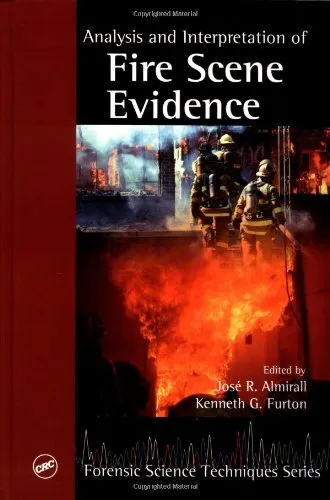
Cover of Analysis and Interpretation of Fire Scene Evidence

Book guide and evaluation

Analysis and Interpretation of Fire Scene Evidence

Jose R. Almirall,Kenneth G. Furton

English Unordered Essays
4.5 / 5

0 reviews

2004

Published

260

pages

416

views

• Introduces the techniques applied in the examination and interpretation of fire scene evidence• Details ASTM consensus standards• Compares the effectiveness of canines with that of emerging instrumental field tests• Provides guidance in the interpretation of analysis and highli

Before you read

What will you get from this book?

• Introduces the techniques applied in the examination and interpretation of fire scene evidence• Details ASTM consensus standards• Compares the effectiveness of canines with that of emerging instrumental field tests• Provides guidance in the interpretation of analysis and highlights ways to generate the resulting reports• Summarizes recent developments in extraction and analysis that can be used to improve the detection of ILRs• Describes quality assurance methods in fire debris analysisOngoing advances in arson detection tools and techniques increase the importance of scientific evidence in related court proceedings. In order to assemble an airtight case, investigators and forensic scientists need a resource that assists them in properly conducting the chemical analysis and interpretation of physical evidence found at scenes of suspected arson.Analysis and Interpretation of Fire Scene Evidence introduces the techniques that determine the presence of ignitable liquid residues (ILRs) at fire scenes. It bridges the disciplines of investigation and forensic chemistry, enabling effective communication during critical periods of evidence detection, collection, packaging, and transport.The initial chapters are written from an investigator's perspective, allowing forensic specialists to understand fire dynamics, ignition, heat transfer, and investigations. Later chapters include a comparison of the use of canines versus new detection techniques, and an examination of laboratory facilities, equipment, and procedures that are essential to organizing a new lab or upgrading an existing one.By detailing the methods used to identify potential evidence at the scene of suspected arson fires, this volume also benefits attorneys and judges in preparing for prosecution and defense of arson cases.

Ask this book

Your question is answered in the context of this title and author. Each answer uses 2 points.

Sign in to ask the book assistant.

Reader reviews

0 reviews, 4.5 average out of 5

No reviews yet

If you have read this book, help the next reader with your experience.

Write a review

Sign in to publish a review.

Reader questions and answers

Ask a focused question and learn from the community.

Sign in to ask or answer a question.

No questions yet

Be the first to ask a clear, useful question.