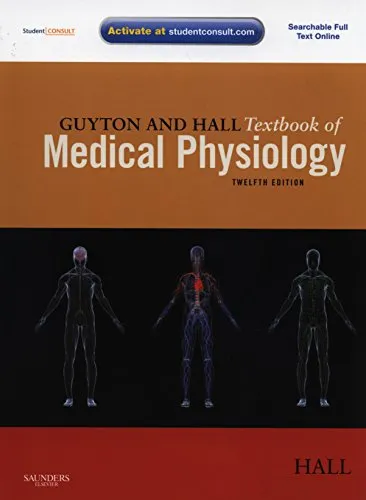
Guyton and Hall Textbook of Medical Physiology, 12e
Guyton, Arthur C.;Hall, John Edward
2011
View book
Book guide and evaluation
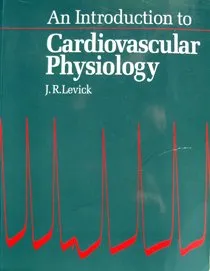
J. R. Levick (Auth.)
0 reviews
Published
pages
views
An Introduction to Cardiovascular Physiology Welcome to the fascinating world of cardiovascular physiology—a cornerstone of medical sciences. This book is meticulously crafted to provide a comprehensive understanding of how the heart and vascular systems function in harmony, t
Before you read
Welcome to the fascinating world of cardiovascular physiology—a cornerstone of medical sciences. This book is meticulously crafted to provide a comprehensive understanding of how the heart and vascular systems function in harmony, their regulation, and their role in maintaining a homeostatic environment in the body.
The heart of 'An Introduction to Cardiovascular Physiology' beats to the rhythm of clarity and depth. This book explores core concepts vital for students and professionals in medical and allied health sciences. Beginning with the basics, it delves into the structure and function of the heart, the nuances of blood flow, and the intimate relationship between the cardiovascular system and overall physiological stability. Each chapter introduces complex physiological principles with an emphasis on practical understanding and application.
Topics extend from the electrical activity of the heart, blood pressure regulation, cardiac cycle intricacies, and into the realms of circulation dynamics. Special attention is given to methods of measurement and clinical implications, ensuring that readers not only understand theory but can translate this into practice. The integration of scientific experiments and real-world examples facilitates a learning environment that is both compelling and relevant.
"The heart, though but a small muscular organ, orchestrates the melody of life, propelling blood with rhythmic precision, nurturing every cell."
"Understanding cardiovascular function is akin to decoding the body's symphony; it's essential for both clinicians and students engaged in the art of healing."
'An Introduction to Cardiovascular Physiology' serves as a crucial educational tool for anyone delving into the medical field. It matters because it breaks down the barriers to understanding one of the most essential systems within the human body. The book's approach is rooted in clarity, precision, and an unwavering commitment to pedagogical excellence.
The significance of this book extends beyond academic boundaries; it equips readers with the knowledge needed to appreciate and address cardiovascular challenges—ranging from common ailments like hypertension to life-threatening conditions such as heart failure. As the prevalence of cardiovascular diseases continues to rise globally, a profound understanding of cardiovascular physiology is essential. This book not only aids in intellectual pursuit but also aspires to inspire future research and clinical innovations. Its place in medical education and practice is irreplaceable, making it a vital resource for learners and practitioners alike.
Your question is answered in the context of this title and author. Each answer uses 2 points.
0 reviews, 4.0 average out of 5
Sign in to publish a review.
Ask a focused question and learn from the community.
Related references that continue this learning path.
Guyton, Arthur C.;Hall, John Edward
John Davey,J. Michael Lord