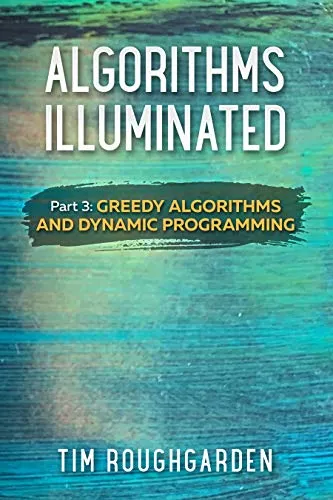
Algorithms Illuminated (Part 3): Greedy Algorithms and Dynamic Programming
Tim Roughgarden
2019
View book
Book guide and evaluation
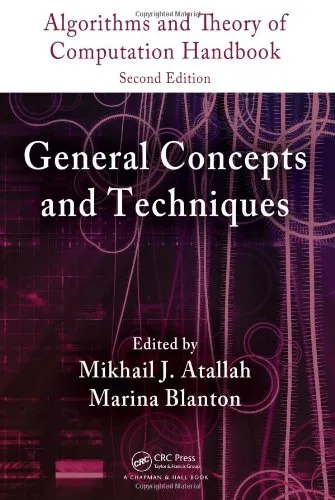
Mikhail J. Atallah,Marina Blanton
0 reviews
Published
pages
views
Introduction to "Algorithms and Theory of Computation Handbook - General Concepts and Techniques" The field of computer science is ever-evolving, driven by the need to design efficient and scalable algorithms that solve complex computational problems. "Algorithms and Theory
Before you read
The field of computer science is ever-evolving, driven by the need to design efficient and scalable algorithms that solve complex computational problems. "Algorithms and Theory of Computation Handbook, - General Concepts and Techniques" serves as a cornerstone for understanding these fundamental areas of computer science. This book is designed to provide both scholars and practitioners with a comprehensive resource that blends theoretical rigor with practical application, empowering readers to approach computational challenges with confidence and clarity.
The authors, Mikhail J. Atallah and Marina Blanton, bring decades of expertise and research experience to this extensive volume. By combining the essential mathematical foundations with accessible explanations, the book appeals to a wide array of audiences, ranging from undergraduate students to experienced professionals. Its modular format ensures that readers can selectively focus on topics most relevant to their interests without compromising the depth and breadth of essential knowledge. Whether you are striving to deepen your understanding of core algorithmic principles or exploring advanced topics in computational theory, this book is an indispensable guide.
This handbook is divided into carefully structured chapters, each focusing on a specific aspect of algorithms and computational theory. Beginning with the core concepts of algorithms and their complexity, the book gradually delves into more sophisticated techniques and methodologies. It explores foundational topics such as sorting, searching, and graph algorithms while also tackling advanced themes like approximation algorithms, parallel computation, and randomized techniques.
The authors place a strong emphasis on the mathematical aspects of algorithms, equipping readers with tools to analyze time complexity, space bounds, and the trade-offs inherent in algorithm design. Moreover, a significant portion of the book is dedicated to computational theory, including topics like computability, undecidability, and classes such as P, NP, NP-complete, and NP-hard.
Each chapter includes detailed explanations, illuminating examples, and a variety of exercises to reinforce learning. Practical applications of algorithms are showcased to demonstrate their relevance in real-world scenarios, from cryptography and network optimization to bioinformatics and data mining. Throughout the book, readers will encounter algorithmic techniques that not only solve theoretical problems but also underpin some of today's most cutting-edge technologies.
“An algorithm is more than a finite sequence of steps—it is an art of breaking down problems systematically and solving them efficiently.”
“Understanding computational complexity is the key to distinguishing what can be computed in practice from what can only be solved in theory.”
“The value of any algorithm lies not just in its correctness, but in its ability to adapt and scale in the face of real-world constraints.”
Algorithms form the backbone of computer science and dictate the efficiency and practicality of most computational systems we use today. This book is pivotal because it bridges the gap between theory and application, providing readers with critical insights that are both timeless and contemporary. By fostering a detailed understanding of algorithmic principles and computational limitations, the book empowers computer scientists, mathematicians, and engineers to build innovative solutions tailored to their respective domains.
In academia, this book serves as an indispensable textbook for students and a guiding resource for researchers embarking on algorithm-related studies. In the industry, practitioners will find immense value in the practical strategies and deep conceptual understanding it offers, enabling them to tackle state-of-the-art computing challenges. The material within these pages is not just for solving existing problems but also for inspiring the development of the algorithms of tomorrow.
In summary, "Algorithms and Theory of Computation Handbook - General Concepts and Techniques" is more than just a reference; it is a roadmap for anyone seeking to master one of the most critical areas of computer science. Its relevance will only grow as computational demands continue to shape our world.
Your question is answered in the context of this title and author. Each answer uses 2 points.
0 reviews, 4.5 average out of 5
Sign in to publish a review.
Ask a focused question and learn from the community.
Related references that continue this learning path.
Tim Roughgarden